Get your free personalized podcast brief
We scan new podcasts and send you the top 5 insights daily.
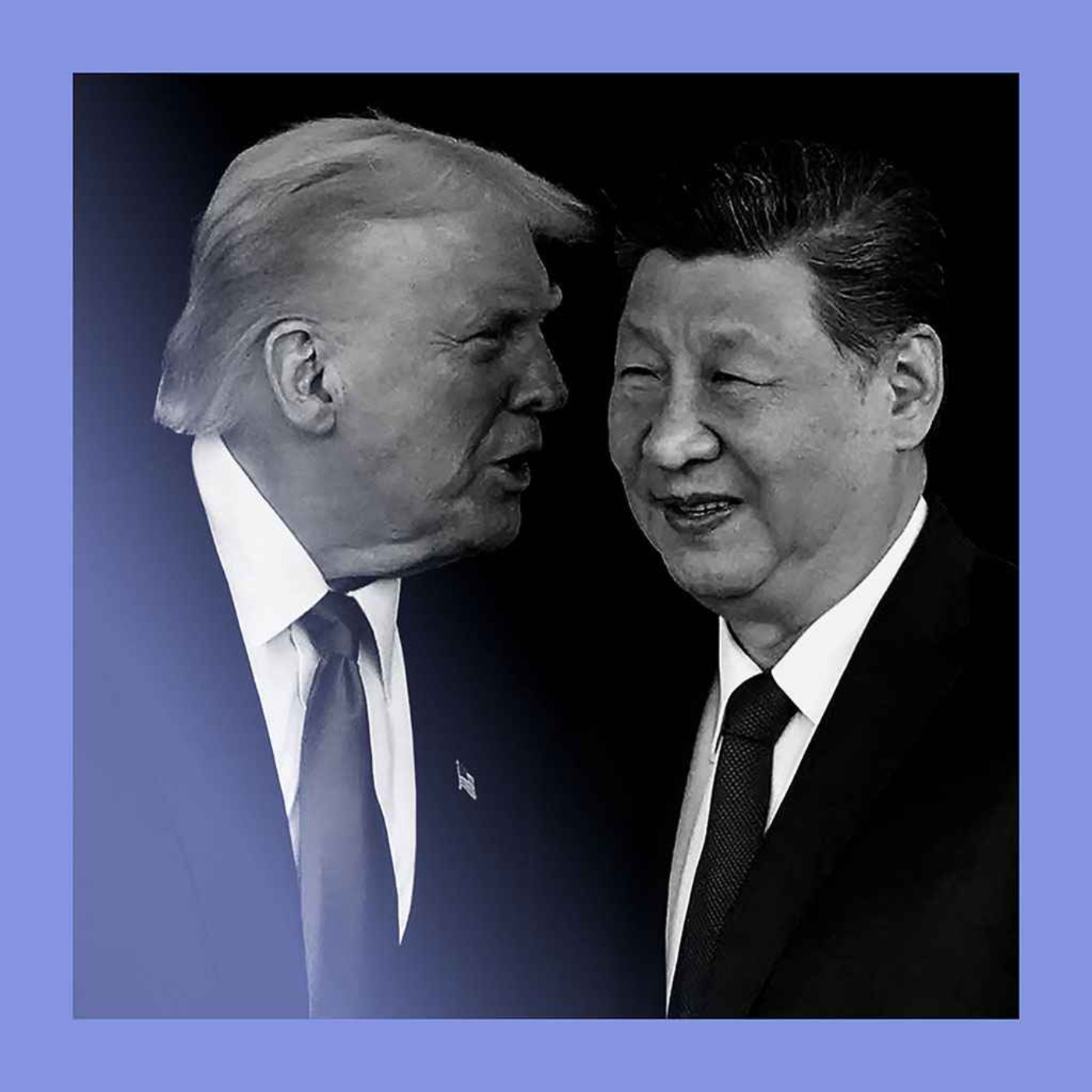
The inconsistent US policy towards China, oscillating between hawkishness and deal-making, discourages allies from taking firm action. Partners fear the US will 'pull the rug out from under them,' leaving them exposed to Chinese retaliation if they act too aggressively.

Related Insights
While publicly announcing a trade truce with China, the Trump administration simultaneously signed deals with other Asian nations to diversify supply chains and bolster defense partnerships, effectively preparing for future confrontation with Beijing.
By pursuing an erratic foreign policy, the U.S. is pushing away traditional allies like the U.K., who are now withholding intelligence. This erosion of trust doesn't just isolate America; it creates a power vacuum that adversaries can fill, potentially leaving China as the primary economic and political beneficiary in the region.

The US assumes its democratic values create a trust advantage. However, unpredictable actions, like threatening to cut off tech access to partners, undermine this trust and create an opening for China. China is exploiting this by positioning itself as a more reliable, if not more ideologically aligned, long-term supplier, especially in the Global South.

Actions like the Greenland affair are alienating allies like Canada and the EU. This pushes them to pursue independent, softer trade policies with China to secure economic benefits, seeing it as diversification rather than a strategic pivot away from the US.

Trump's strategy of publicly bullying and belittling allies backfires on the international stage. Unlike in domestic politics, sovereign nations have viable alternatives. This approach forces them to save face by aligning with rivals like China, even if it's not in their long-term best interest.

Trump’s signature strategy of building up military force while simultaneously offering diplomatic solutions creates a coercive environment. While it projects short-term strength, it damages long-term relationships, making allies and adversaries alike view the U.S. as an unpredictable and untrustworthy bully.

The 'America First' foreign policy posture actively repelled other nations, causing them to seek more reliable partners. This disavowal of the traditional international order created a vacuum that Beijing filled, enhancing its soft power and global influence at the expense of the U.S.
When a global power like the U.S. acts unpredictably and alienates its allies, it creates a vacuum. Rivals like China can capitalize on this by positioning themselves as the stable, reliable alternative, attracting disillusioned partners without aggressive action.

The Trump administration demands allies take more responsibility for regional security. Yet when Japan's leader did so regarding Taiwan and faced Chinese pressure, the U.S. prioritized its direct relationship with Beijing, effectively hanging a key ally "out to dry" and contradicting its own strategic doctrine.
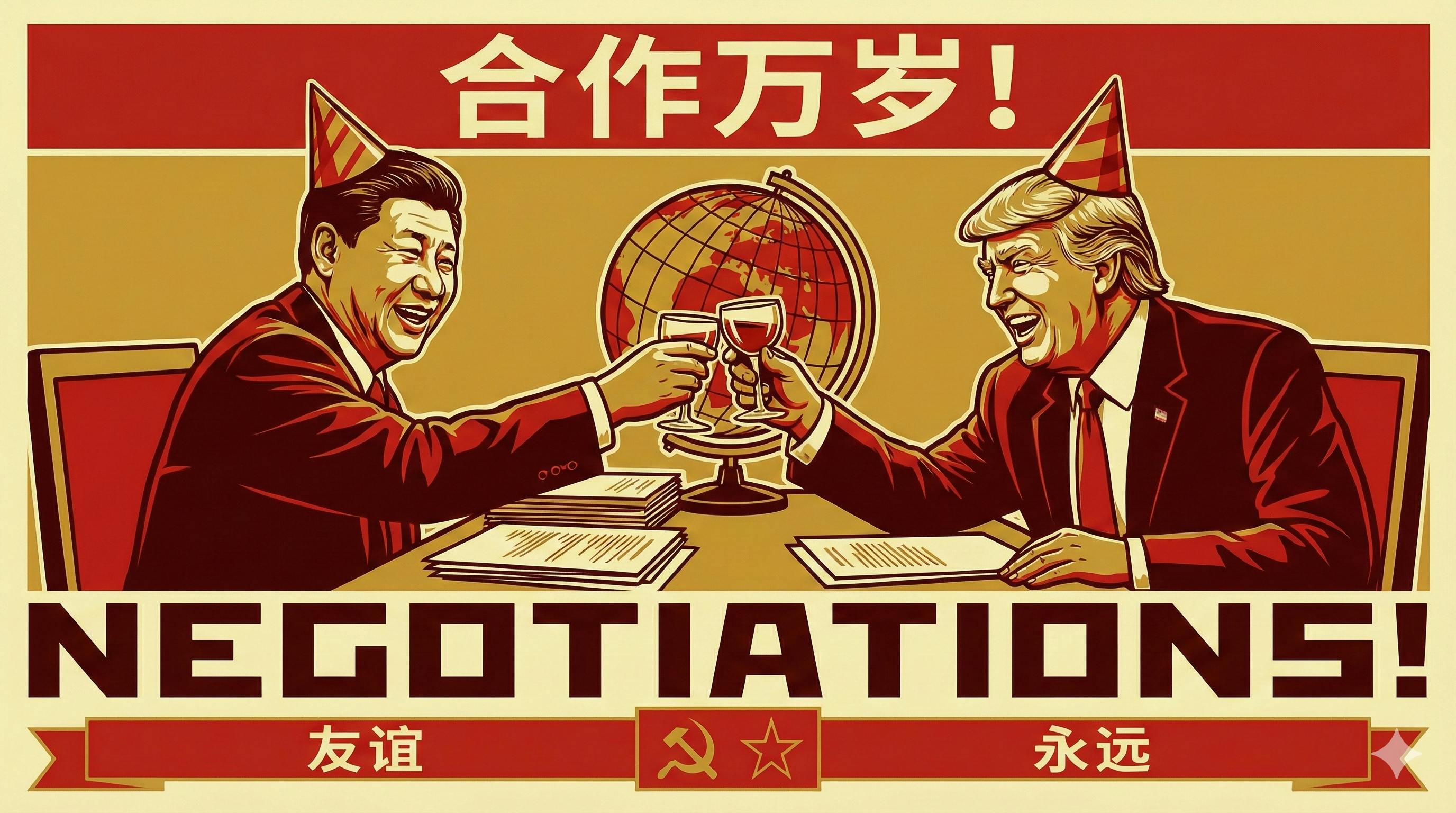
The US withdrawal from the JCPOA and other actions have taught the world that American commitments are unreliable. Both adversaries and allies must now operate under the game-theory assumption that the U.S. will eventually defect from any agreement, forcing them to hedge and fundamentally altering global diplomacy.
