Get your free personalized podcast brief
We scan new podcasts and send you the top 5 insights daily.
Kenai CEO Nick Manusos attributes his startup success to his varied background at Abbott Labs, moving from manufacturing to sales to BD. This breadth prepared him to handle the multifaceted demands of a startup, where a leader must be a generalist who is comfortable with constant change.

Related Insights
Moving from a large corporation to a startup requires blending foundational knowledge of scaling processes with newfound resourcefulness and risk appetite. This transition builds a holistic business muscle, not just a product one, by forcing leaders to operate without endless resources or established brand trust.

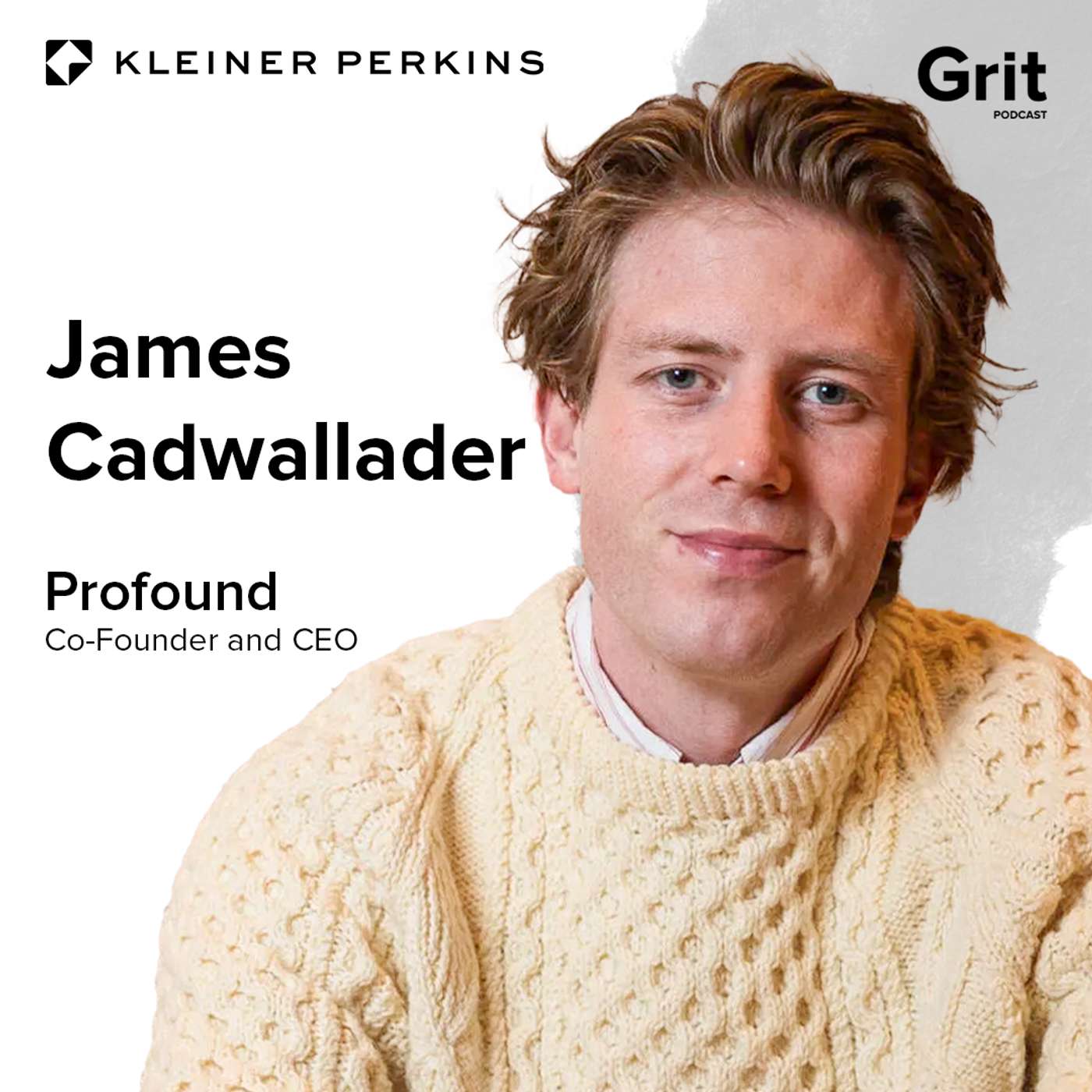
A scaling founder can avoid "breaking the model" during hypergrowth by hiring senior leaders with proven track records in similar environments. For example, Profound hired a CRO who previously scaled a company with the same target customer to $250M, bringing invaluable experience to manage chaos.
A zigzag career path across diverse but adjacent roles (e.g., sales, operations, project management) provides a broader, more holistic business awareness. This cross-functional experience is more valuable for senior strategic roles than a narrow, linear progression up a single ladder.

While startups must be nimble, analytical processes from large corporations are invaluable. The key is applying the same rigorous thinking to decision-making but compressing the timeline. Having prior experience with similar situations allows leaders to make informed choices more quickly.
By acting as a forward-deployed engineer in the early days, the CTO gained deep customer and sales motion insights. This direct market experience was crucial for his successful transition into the CEO role.

Brian Halligan identifies a new founder profile he calls the 'five-tool CEO.' This individual single-handedly masters coding, product taste, sales, fundraising, and recruiting. This 'superhero' archetype contrasts with the classic model of a technical founder paired with a separate business-focused co-founder.

An engineering background provides strong first-principles thinking for a CEO. However, to effectively scale a company, engineer founders must elevate their identity to become a specialist in all business functions—sales, policy, recruiting—not just product.

Before founding Factor, Ryan Rouse's 14 years in finance provided essential skills like communication and management not taught in startups. This corporate background also allowed him to build savings, enabling him to take the financial risk of starting a new venture without an immediate income, a crucial advantage over starting straight from school.
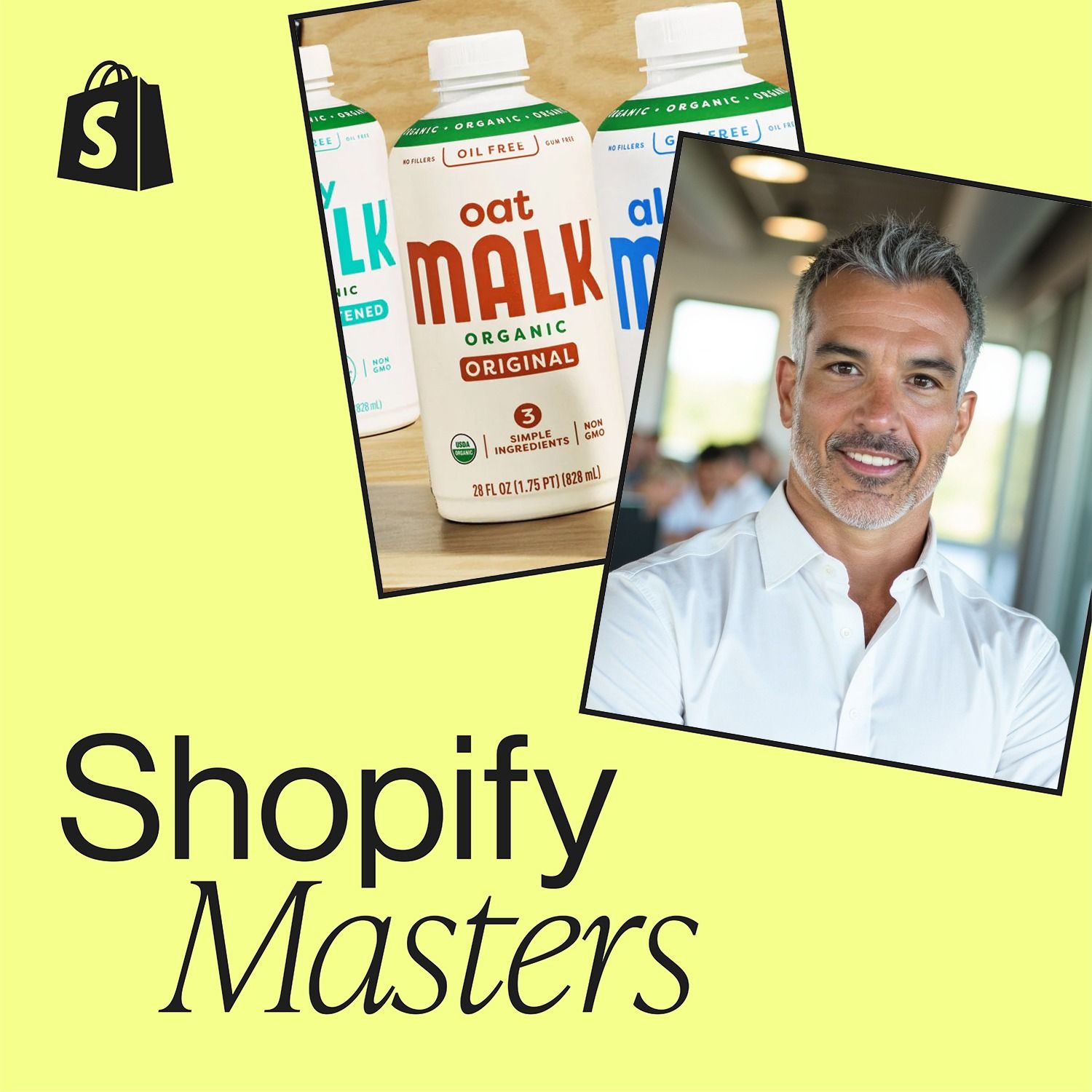
The founder hired an experienced CEO and then rotated through leadership roles in different departments (brand, product, tech). This created a self-designed, high-stakes apprenticeship, allowing him to learn every facet of the business from experts before confidently retaking the CEO role.

Bolt's philosophy of hiring entrepreneurial 'smart generalists' was key to its resilience and ability to pivot. When the company needed to shift focus from ride-hailing to food delivery overnight during COVID, its adaptable talent pool was a critical asset. An organization of specialists would have been unable to make such a drastic change so quickly.