Get your free personalized podcast brief
We scan new podcasts and send you the top 5 insights daily.
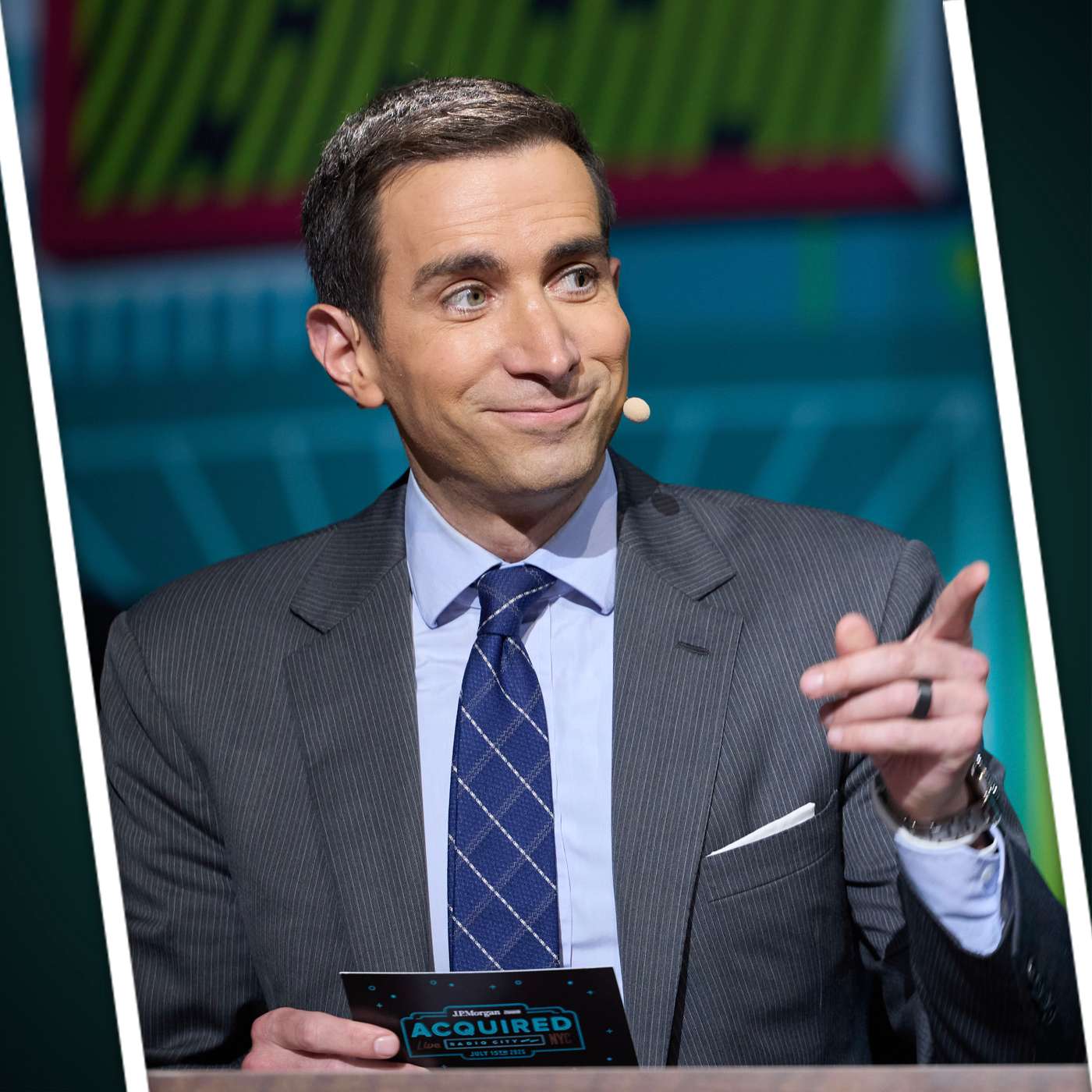
Andrew Ross Sorkin argues against the conventional wisdom of professional detachment. He observes that the most successful people take everything personally because they care immensely about the quality of their work. This personal stake, while sometimes painful, is what drives them to achieve greatness.
Related Insights
The romanticized idea of "passive income" is a myth. The speaker posits that the amount of money one earns is directly correlated to the amount of anxiety and stress they can handle. High achievement comes with an unavoidable and significant mental and emotional burden, a cost often hidden behind the narrative of hard work.

High performers are driven by obsession, not just passion. The key social difference is that passion is universally applauded, while obsession is often met with concern and questions like "Why can't you be satisfied?". This external skepticism is an indicator that you are operating at your potential's edge.

Extraordinary success often comes not from a revolutionary idea, but from taking a simple concept—like hosting a cocktail party or building a vacuum—and applying an obsessive, world-class level of seriousness and craftsmanship to it. The 'what' matters less than the depth of commitment.

The personality trait that drives outlier entrepreneurial success isn't mere ambition, but a "tortured" state of mind. These individuals feel a constant, painful inadequacy that compels them to achieve extraordinary things. This drive often comes at the expense of their personal well-being, family life, and mental health.
![[REPLAY] Morgan Housel – Same as Ever (EP.359) thumbnail](https://static.libsyn.com/p/assets/f/b/7/6/fb76e1c8bfb69e8dd959afa2a1bf1c87/CA_Square_logo_light_background_6.26.24.jpg)
For individuals with a high public profile or a famous family, the intense social pressure and potential for embarrassment from failure can act as a powerful motivator. This "can't fail" mentality becomes a driving force for success, turning a potential source of anxiety into a strategic advantage.

While psychology warns against tying your identity to your work to avoid pain from failure, high performers do exactly that. They embrace identities like "I am a writer" because this personal attachment makes excellence non-negotiable and prevents them from simply "going through the motions."
Tying your identity to professional achievements makes you vulnerable and risk-averse. By treating business as a "game" you are passionate about, but not as the core of your self-worth, you can navigate high-stakes challenges and failures with greater objectivity and emotional resilience.
High-stakes business requires not just intellect but the capacity to handle immense emotional pressure. This 'emotional endurance,' often forged through personal hardship, provides a critical competitive edge during moments of extreme stress, such as a multi-billion dollar negotiation where the outcome is uncertain.
![Ari Emanuel - The Anti-AI Bet - [Invest Like the Best, EP.448] thumbnail](https://megaphone.imgix.net/podcasts/c5910280-c4dd-11f0-94be-ab6a7a5865b0/image/1e5a2263eb62fcde200846919e24419a.jpg?ixlib=rails-4.3.1&max-w=3000&max-h=3000&fit=crop&auto=format,compress)
The most accomplished people often don't feel they've "made it." Their immense drive is propelled by a persistent feeling that they still have something to prove, often stemming from a past slight or an internal insecurity. This is a constant motivator that keeps them climbing.
