Get your free personalized podcast brief
We scan new podcasts and send you the top 5 insights daily.
A catastrophic product failure can become a powerful marketing opportunity. After a $30,000 shipment arrived defective, Kim Vaccarella donated the bags to Superstorm Sandy victims. The recipients became organic evangelists, proving the product's value and reviving the business.

Related Insights
Good Girl Snacks transformed a disastrous PR campaign, where 200 boxes broke in transit, into a viral video. By being transparent about their "panic moments" and operational failures, they built a stronger, more forgiving community that respected their honesty.

Faced with 10,000 misprinted boxes, the company embraced the error instead of absorbing the cost. They launched a limited "Whoops Edition" with a campaign celebrating failure. This turned a potential financial loss into a PR win and a sales success, humanizing the brand.

When Norwegian Wool accidentally ruined a customer's Christmas surprise, they didn't just apologize—they sent a second coat for free. This extreme ownership turns a negative experience into a powerful story of goodwill, creating a lifelong brand advocate and reinforcing luxury values.

Instead of hiding operational failures like 200 broken PR boxes, the founders create content about them. This authentic, "warts-and-all" approach builds community trust and often results in viral videos, turning a negative into a brand-building positive.
In a crisis, a contrarian strategy can win. As competitors pivoted to a DTC-only model during COVID, Bogg Bag intensified its support for wholesale partners. This helped small boutiques survive and turned them into powerful, loyal advocates for the brand.
Peter Thomas Roth's number one eye product was nearly discontinued before a single viral TikTok video caused it to sell out nationwide. This shows how unpredictable consumer-generated content can be a powerful, brand-altering force, completely changing a product's trajectory and shifting a company's entire view of influencer marketing.

When the first Kickstarter orders were shipped in flimsy envelopes and arrived shattered, Jing panicked and proactively emailed every customer. This raw transparency, rather than defensiveness, turned a potential business-ending disaster into a moment that built immense trust and long-term customer loyalty.
When Way's dry shampoo started exploding, the team owned the "foam party" disaster. By reposting customer complaints with humor and creating a "mean reviews" video series, they turned a potential PR nightmare into a memorable, brand-building moment that resonated with customers.
When a new dry shampoo had a quality issue and began exploding, Way avoided a PR disaster by owning it with humor. They created a #FoamParty hashtag, reposted customer photos, and filmed themselves reading "mean reviews." This transparent, humorous approach built significant brand trust and loyalty out of a crisis.
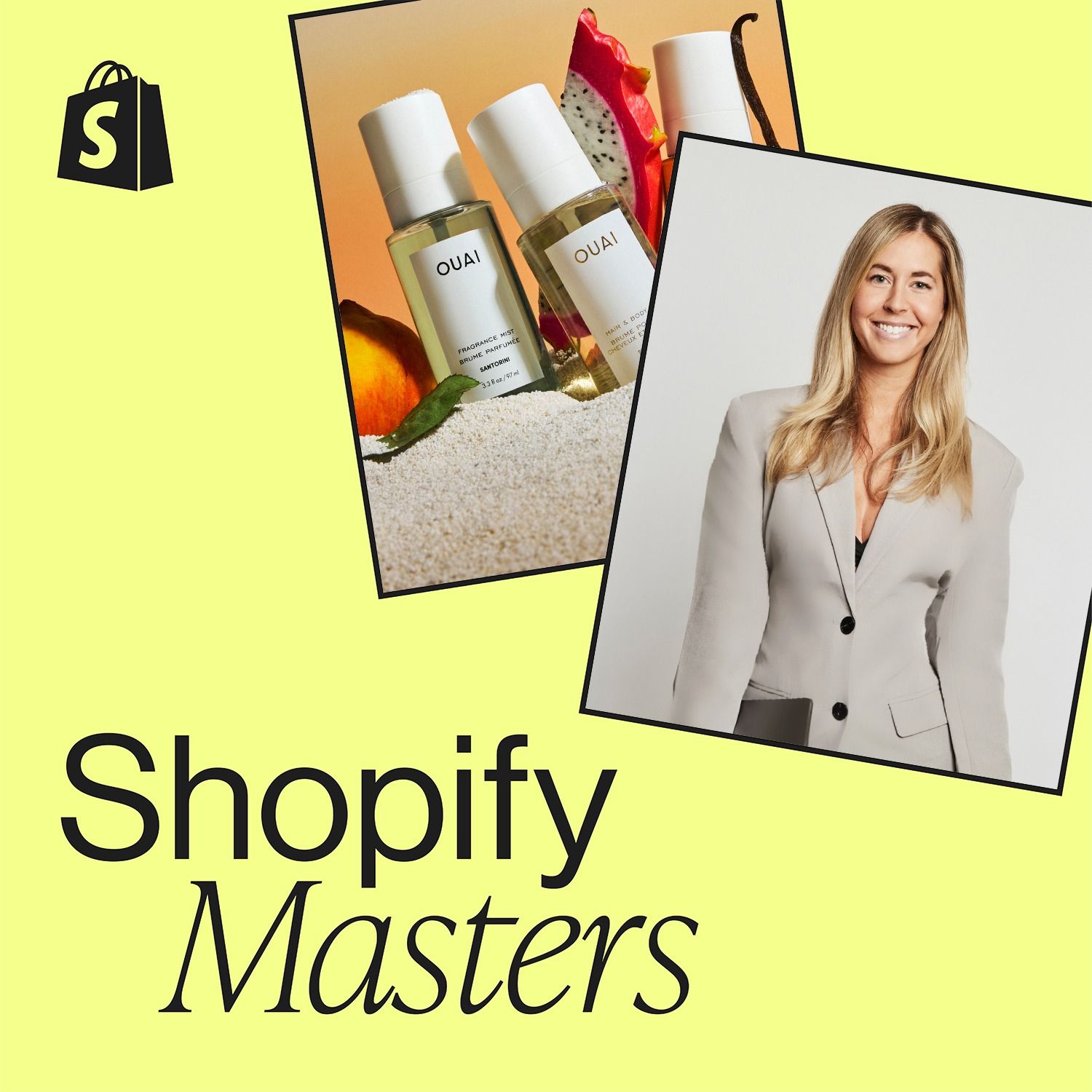
When a labeling error forced Feel Goods to discard a huge product batch, they created a TikTok series about the mistake. This radical transparency generated overwhelmingly positive feedback and loyalty, proving that sharing failures can be a powerful marketing tool.