Get your free personalized podcast brief
We scan new podcasts and send you the top 5 insights daily.
The deployment of autonomous police drones in San Francisco has had a direct and measurable impact on public safety. The city has reported a 30% overall reduction in crime, with auto thefts dropping by nearly 50% since the program's implementation, making a strong case for the technology's effectiveness.

Related Insights
The paradigm for police drones is shifting from manually-flown tools to autonomous, dock-based systems. A drone can launch from a police station roof, fly to a 911 call location in seconds, and provide real-time situational awareness before human officers arrive, fundamentally changing emergency response.
Ben Horowitz reveals that a major source of violent police encounters stems from inaccurate suspect descriptions. By funding the Las Vegas PD with AI cameras, they can identify the correct vehicle or individual with certainty, preventing dangerous confrontations with innocent citizens and enabling safer apprehensions.
![Ben Horowitz - Backing America’s Future - [Invest Like the Best, EP.457] thumbnail](https://megaphone.imgix.net/podcasts/9505619a-009e-11f1-869d-c7d5bc43b194/image/83257eb514e1fd42513d2e46eeb4e9dd.jpg?ixlib=rails-4.3.1&max-w=3000&max-h=3000&fit=crop&auto=format,compress)
Sophisticated gangs are using drones with their ADS-B trackers removed to scout wealthy homes without detection. Meanwhile, federal regulations prevent local law enforcement from deploying counter-drone technology, creating a situation where criminals have superior aerial capabilities and police have their hands tied.

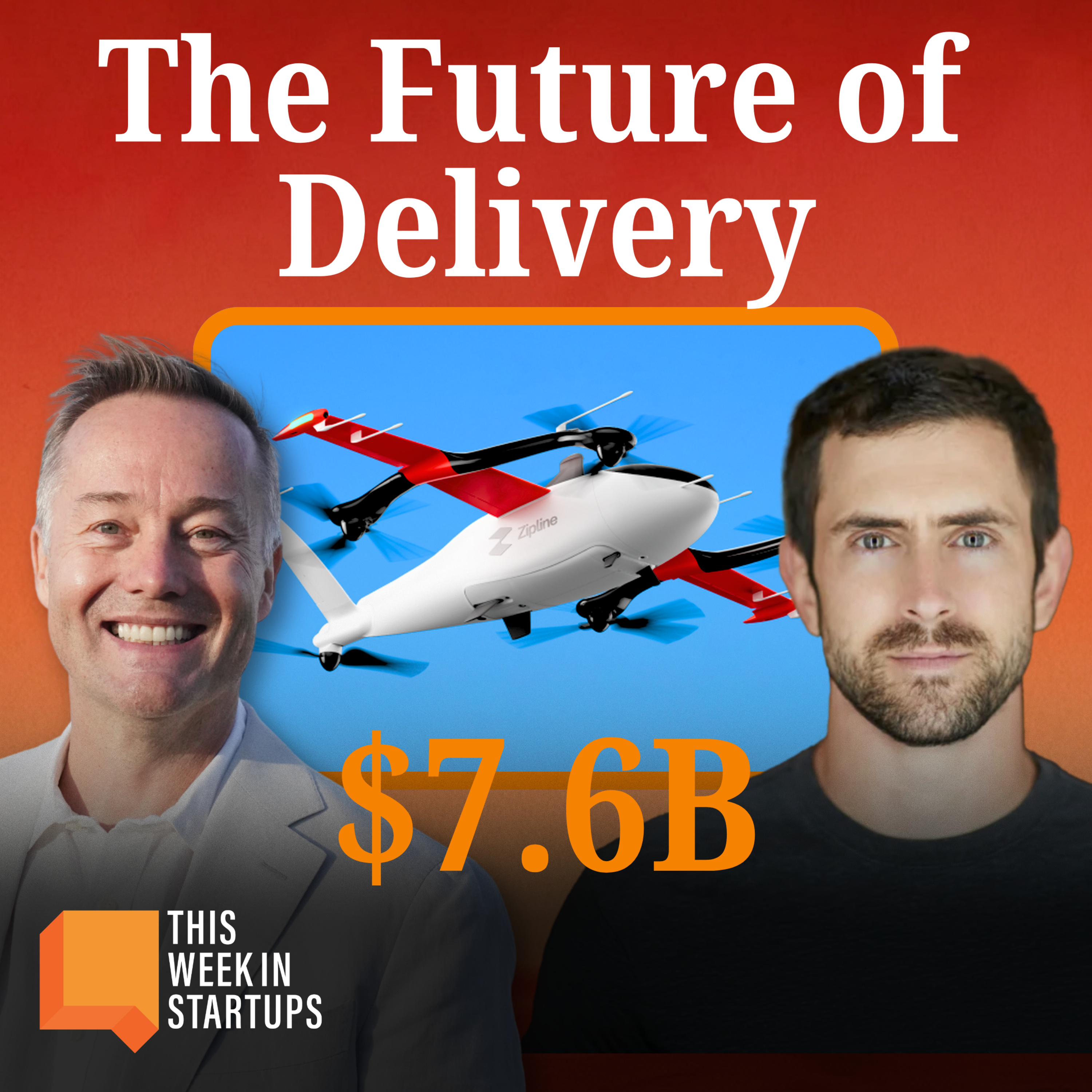
Zipline counters safety concerns by highlighting its zero-incident record over 135M miles, contrasting it with the hundreds of crashes and multiple fatalities cars would have over the same distance. This reframes drones as a safer alternative.
Municipal police budgets are often inflexible and almost entirely allocated to headcount, leaving no room for technology upgrades. Public-private partnerships, where companies or individuals make relatively small donations, are emerging as a critical model for funding essential tech like drones and AI.

Zipline's CEO Keller Rinaudo Cliffton reveals their service's profound public health impact. By providing rapid, on-demand delivery of blood transfusions to remote hospitals, the autonomous system directly addressed a leading cause of maternal death, proving robotics can solve critical global issues.

The high cost of advanced aircraft like the F-35 fighter jet stems from ensuring pilot safety. Drones, by being unmanned, remove this expensive constraint. Since crashes are acceptable, drones can be produced cheaply and at scale, unlocking their disruptive economic potential across industries.

A critical vulnerability in firefighting is that most aerial operations cease at night due to pilot safety risks, allowing fires to grow unchecked. Autonomous aircraft, using sensors like LiDAR, can operate 24/7, closing this dangerous operational gap and preventing significant overnight fire spread.

Skydio's strategy for overcoming public surveillance fears is to encourage police departments to be maximally transparent. By providing public-facing flight log portals and hosting press events, they frame the drones as an accountable community tool, which is critical for securing city council approval and public buy-in.
The rise of drones is more than an incremental improvement; it's a paradigm shift. Warfare is moving from human-manned systems where lives are always at risk to autonomous ones where mission success hinges on technological reliability. This changes cost-benefit analyses and reduces direct human exposure in conflict.
