Get your free personalized podcast brief
We scan new podcasts and send you the top 5 insights daily.
Venture investing is defined not by being an expert operator, but by a continuous process: study a space, place bets, accept losses, learn from the outcomes, and place more informed bets. Active participation in the market, with real capital at risk, is the primary mechanism for learning and developing a thesis.

Related Insights
Largely self-taught through voracious reading, Jonathan Tepper views investing as an extension of that process. Great investors are in a constant mode of self-education, digging deeply into new companies and industries. The ability to teach yourself is an ongoing, essential part of the job.

True investment courage isn't just writing the first check; it's being willing to invest again in a category after a previous investment failed. Many investors become biased and write off entire sectors after a single bad experience, but enduring VCs understand that timing and team make all the difference.

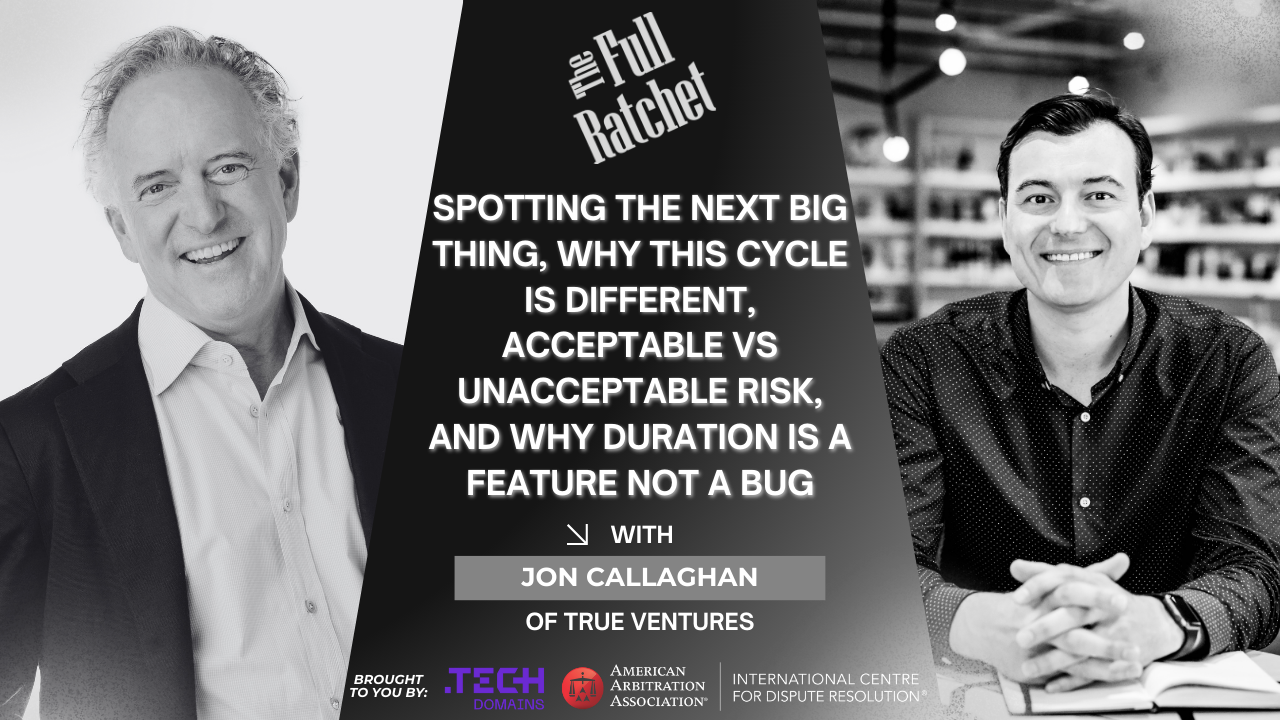
In VC, where being wrong is the norm (80%+ of the time), the most critical trait is not righteousness but deep curiosity. This learning-first mindset is what uncovers non-obvious opportunities and allows investors to see future market shifts before they become mainstream, according to True Ventures' Jon Callaghan.
Successful investing requires strong conviction. However, investors must avoid becoming so emotionally attached to their thesis or a company that they ignore or misinterpret clear negative signals. The key is to remain objective and data-driven, even when you believe strongly in an investment.

Investors naturally develop 'scar tissue' from past failures, leading to increased cynicism that can prevent them from backing ambitious, non-obvious ideas. The best investors intentionally fight this bias by balancing their experience with a 'beginner's mind.' While pure naivete is dangerous, so is excessive cynicism, and finding the intersection between the two is critical for venture success.
Before committing capital, professional investors rigorously challenge their own assumptions. They actively ask, "If I'm wrong, why?" This process of stress-testing an idea helps avoid costly mistakes and strengthens the final thesis.

Intellectuals often become too attached to their theories. Investor George Soros advises adopting a market mindset: the world provides expensive feedback on bad ideas. One must be willing to quickly abandon a failing thesis and even 'bet against yourself' when data proves you wrong, a crucial skill for entrepreneurs.

To truly learn about markets or entrepreneurship, you must participate directly, even on a small scale. This visceral experience of investing $50 or starting a micro-business provides far deeper insights than purely theoretical or cerebral learning. Combine this hands-on experience with mentorship from pros.

To become a truly great investor, you must first experience the chaos of being a business operator. Running different types of companies, including failures, builds the firsthand knowledge and intuition needed to accurately assess the quality and risks of a potential investment.

Finding entrepreneurial success often requires a decade-long period of trial and error. This phase of launching seemingly "dumb" or failed projects is not a sign of incompetence but a necessary learning curve to develop skills, judgment, and self-awareness. The key is to keep learning and taking shots.