Get your free personalized podcast brief
We scan new podcasts and send you the top 5 insights daily.
Largely self-taught through voracious reading, Jonathan Tepper views investing as an extension of that process. Great investors are in a constant mode of self-education, digging deeply into new companies and industries. The ability to teach yourself is an ongoing, essential part of the job.

Related Insights
Jonathan Tepper's childhood, marked by poverty and loss, made him more serious and introverted. This forged a focus on a life of "quality over quantity," a trait that translates directly into a patient, long-term investing approach that seeks durable value rather than short-term gains.
Ken Griffin advises that graduation marks the beginning, not the end, of education. He argues the most important skill is learning how to learn, as professionals will need to develop entirely new toolkits multiple times over a 40-50 year career to remain relevant amidst technological change and increased longevity.

Jeff Aronson credits his success to a mental shift early in his finance career. While taking night classes, he realized he was studying to genuinely understand the material, not just to earn an 'A'. This transition from extrinsic validation (grades) to intrinsic curiosity is a key differentiator for developing deep mastery in any field.

Most good investors succeed by recognizing patterns (e.g., "SaaS for X"). However, the truly exceptional investors analyze businesses from first principles, understanding their deep, fundamental merits. This allows them to spot outlier opportunities that don't fit any existing mold, which is where the greatest returns are found.
![Luca Ferrari - Building Bending Spoons - [Invest Like the Best, EP.446] thumbnail](https://megaphone.imgix.net/podcasts/b29cbd80-b93a-11f0-a1b7-2b977c9469a2/image/39f7864ea628f71a81b94662bd4a86df.jpg?ixlib=rails-4.3.1&max-w=3000&max-h=3000&fit=crop&auto=format,compress)
In VC, where being wrong is the norm (80%+ of the time), the most critical trait is not righteousness but deep curiosity. This learning-first mindset is what uncovers non-obvious opportunities and allows investors to see future market shifts before they become mainstream, according to True Ventures' Jon Callaghan.

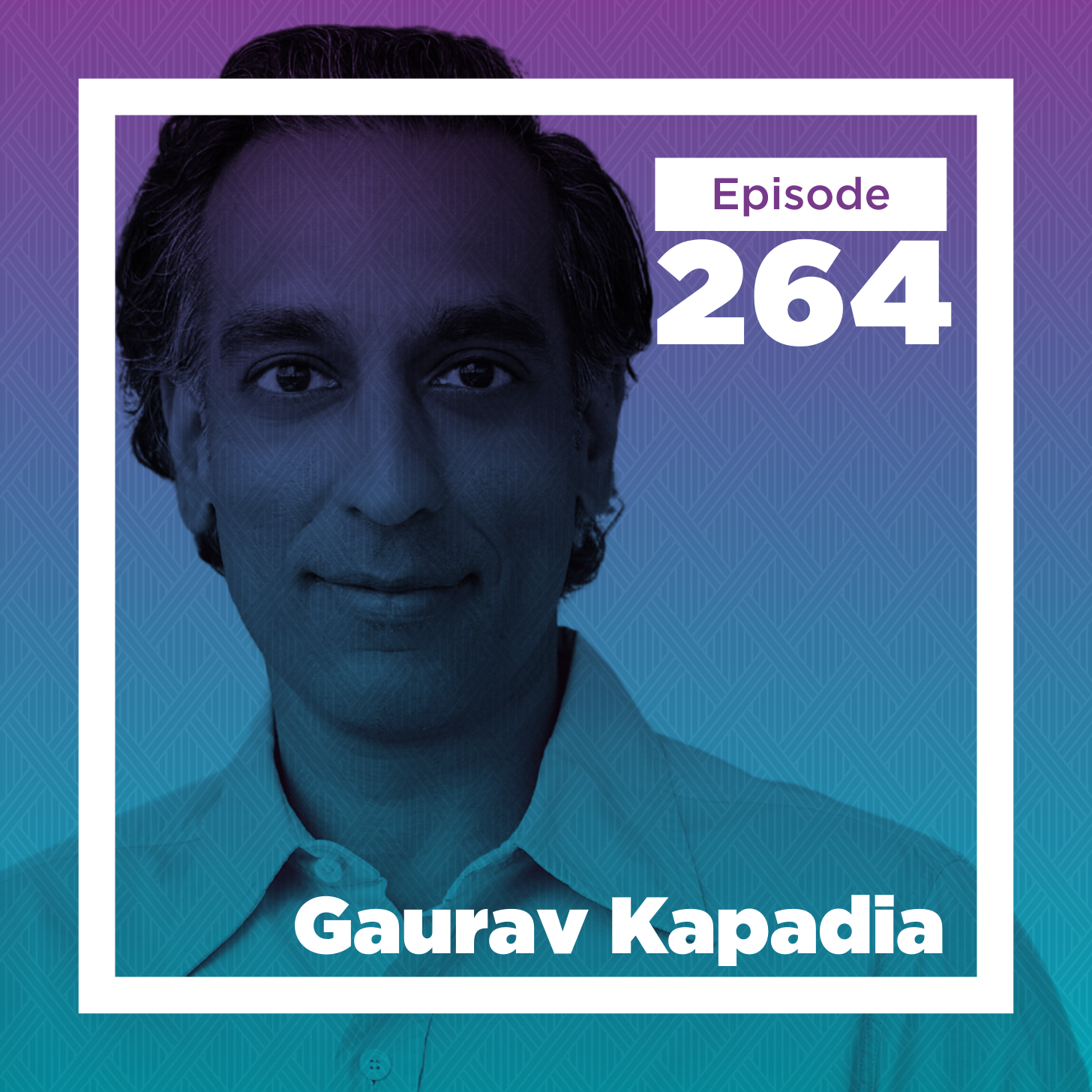
Investor Gaurav Kapadia uses AI as a knowledge augmenter to go deep on new subjects. Where he once hired university master's students to create custom curricula on topics like art history or Shakespeare, he now uses AI as his 'first port of call' for in-depth, personalized learning.
Investors can spend years reading theory, but the marginal returns on information diminish without practical application. Shifting from passive learning to active company analysis is crucial for overcoming "imposter syndrome" and building real-world conviction.
Most people learn things "just in case" they might need them, like in university. The most effective approach is "just-in-time" learning—acquiring knowledge from books, courses, or mentors to solve a specific, immediate challenge you are facing right now.

To truly learn about markets or entrepreneurship, you must participate directly, even on a small scale. This visceral experience of investing $50 or starting a micro-business provides far deeper insights than purely theoretical or cerebral learning. Combine this hands-on experience with mentorship from pros.

Jonathan Tepper wrote "The Myth of Capitalism" not to present a finished idea, but to clarify his own thinking on why corporate profits were persistently high. He uses writing as a tool for discovery, solidifying a complex investment thesis for himself before committing capital or persuading others.