Get your free personalized podcast brief
We scan new podcasts and send you the top 5 insights daily.
The fear of a failed product launch is overstated. On platforms like TikTok, if content flops, the algorithm simply won't show it to anyone. This creates a risk-free environment for founders to test bold ideas, as only successful content gets distribution.
Related Insights
Modern algorithms can surface any single piece of content to a massive audience of non-followers, regardless of past performance. This means marketers are always just one breakout post away from significant reach, making consistent experimentation more important than ever.

Instead of building a coffee shop, the founders tested their 'one-item menu' concept by creating a TikTok video and design mockups. The posts generated millions of impressions, confirming massive market interest and de-risking the venture before any significant capital was spent.

The Push-scroll app team first created a viral TikTok video pretending their app already existed. When the video confirmed massive demand, they built it. This "if they come, we will build it" approach inverts the traditional model and significantly de-risks development.

Platforms like TikTok have shifted the paradigm where success is tied to each post's individual merit, not the creator's follower base. A single viral video can generate massive reach and sales, even if other posts have low engagement, a trend now adopted by LinkedIn, YouTube, and others.

The common frustration of being stuck at 200 views isn't a punishment. It's TikTok's algorithm testing your content on a small sample audience. This "safety zone" allows you to experiment and refine your skills without widespread visibility until you create something that resonates.
Since algorithms no longer show every post to every follower, the risk of "overposting" has vanished. This creates a free opportunity for marketers to test large volumes of organic content at scale to identify potential viral hits before committing ad spend.
The fear of failure in content creation is misplaced. If your content fails, it's typically because it gets no attention, meaning no one will even know you failed. The risk is asymmetric: failure is private and invisible, while success is public and rewarding. This mental model should encourage more people to start creating.
Simple, non-proprietary products can become massive successes through savvy use of short-form video. The controversy generated in comments fuels the algorithm, providing free, widespread distribution that makes previously unviable ideas profitable.

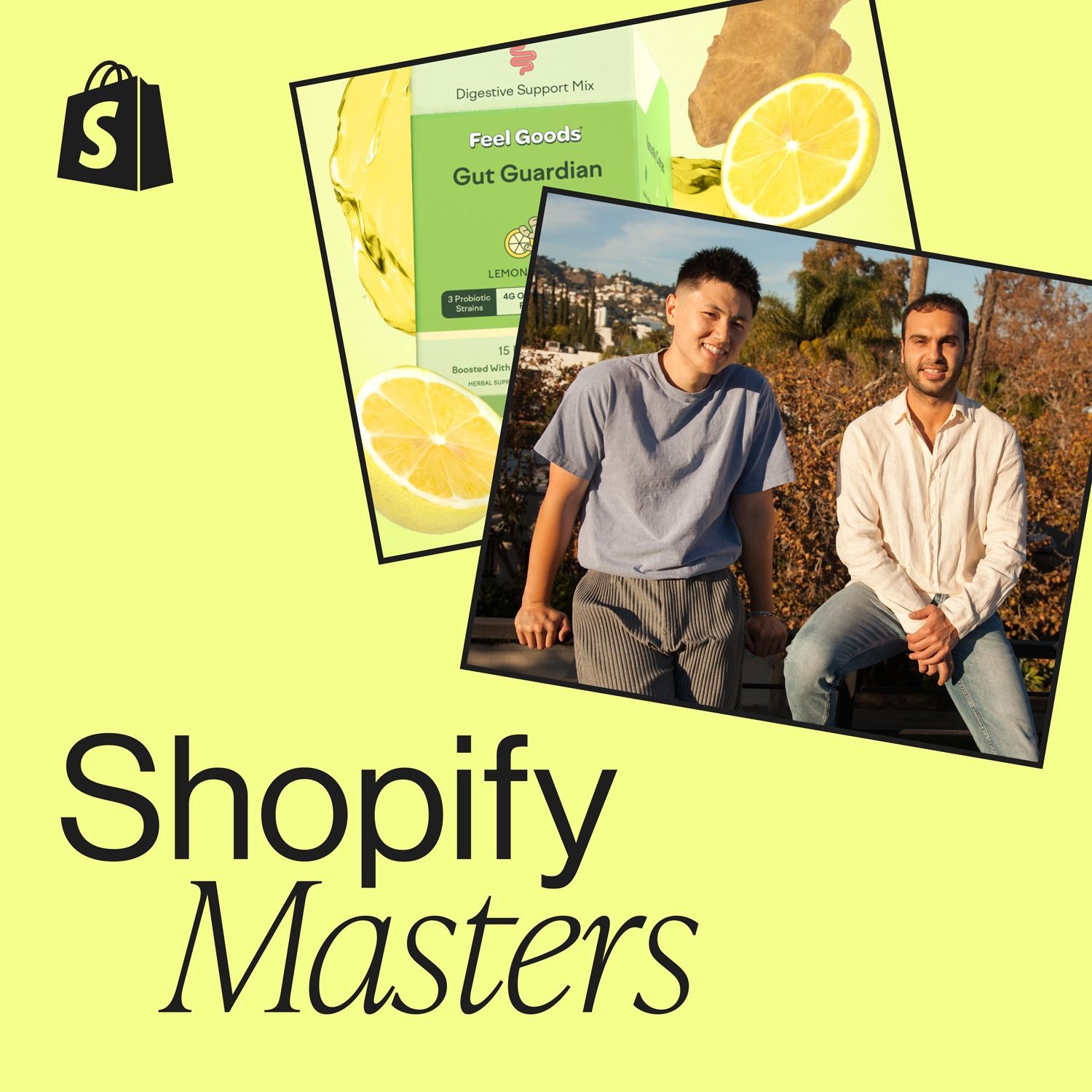
Instead of paying to test ad creative on Meta, Feel Goods posts short-form videos on TikTok. Videos that gain organic traction are then repurposed and promoted as paid ads on Meta, saving significant testing costs and ensuring proven concepts are scaled.
A perfect track record of high-performing content indicates a content strategy that is too safe. Occasional "flops" are not failures; they are crucial data points that help you find the creative boundaries and discover new, resonant topics. Consistently testing and pushing limits is necessary for long-term growth and innovation.
