The fear of a failed product launch is overstated. On platforms like TikTok, if content flops, the algorithm simply won't show it to anyone. This creates a risk-free environment for founders to test bold ideas, as only successful content gets distribution.
Despite founding the company, Kat Getzey appointed someone else as CEO. She recognized her "zone of genius" was content creation and social media strategy, not day-to-day operations. This strategic move protected the brand's primary growth engine and let her focus on her highest-leverage skill.
Physical Phones faced a bug where app audio played through the device. The factory said it was unfixable. The founder used ChatGPT to generate a technical electrical engineering solution (an "HFP" workaround), which successfully resolved the issue, showcasing AI's utility in complex hardware development.
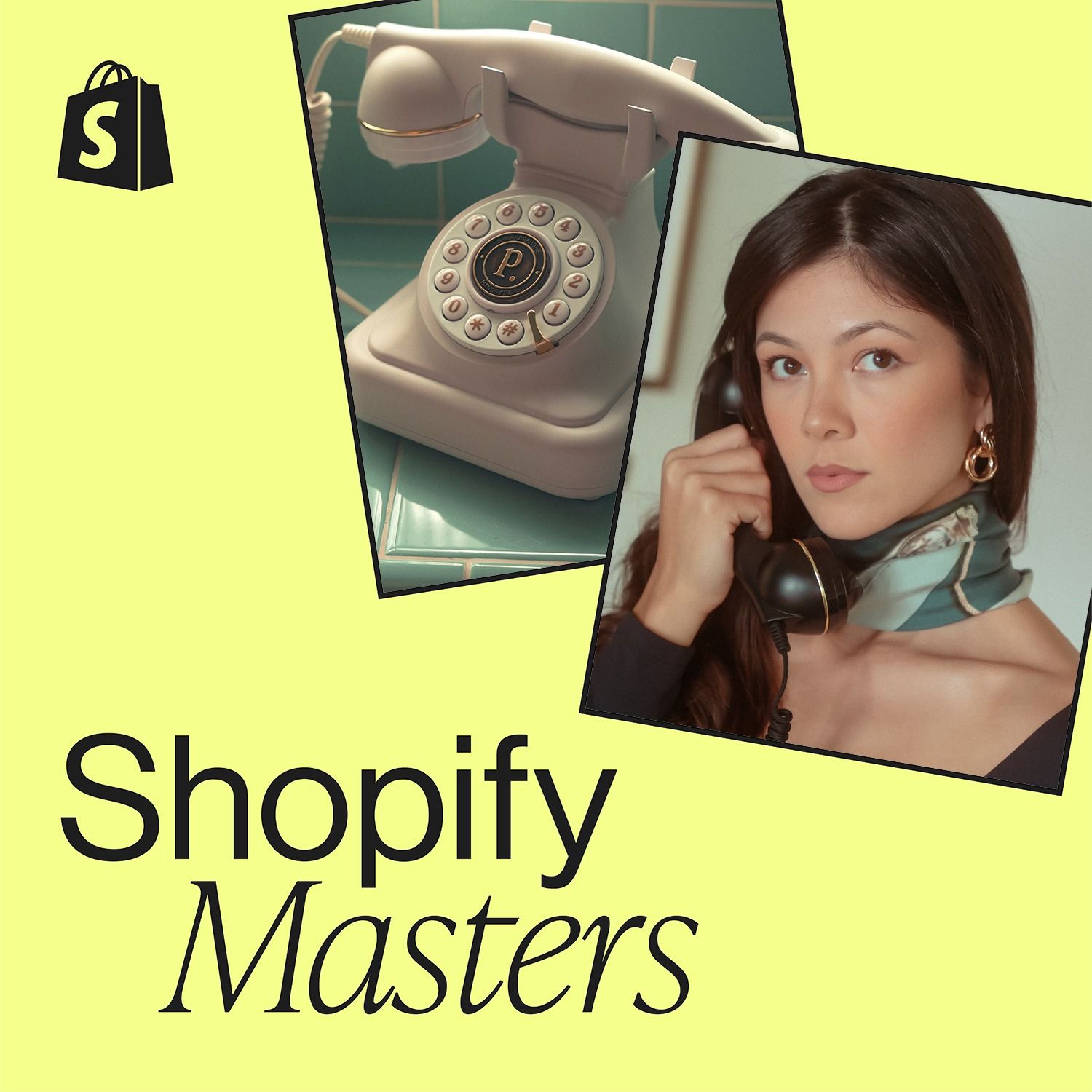
To manage expectations for a long pre-order window, founder Kat Getzey created a weekly live series called "Cat Calls." She shared her phone number and took calls from customers on a Physical Phone to provide real-time updates, building extreme trust and mitigating frustration over delays.
While the product seems targeted at millennials, it surprisingly resonated with Gen Z. For them, the landline isn't nostalgic; it's an aesthetic icon seen in movies and TV shows. This shows a product can sell "aspirational nostalgia" to a generation that never experienced the original.
The founder of Physical Phones intentionally created "blank space" by leaving her smartphone behind on routine trips. She argues this state of boredom, free from constant digital input, is precisely where new business ideas can surface. It is a form of optimization through deliberate under-stimulation.
The power of social media for entrepreneurs feels like a "hack," but the barrier to entry isn't financial—it's psychological. Founders must be willing to feel cringe and put themselves out there. The reward for summiting this "Cringe Mountain" is direct, free access to a global audience.
Founder Kat Getzey realized her long-term business isn't a single product, but her audience and distribution platform. This allows her to treat product ideas as experiments. The community is the constant through-line, providing a foundation for launching and testing many ventures over time.
Go beyond using AI for simple tasks. Founder Kat Getzey fed Claude her company's entire revenue and expense data and asked it a complex strategic question: "How much can I afford to spend on personnel next year?" This demonstrates AI's power for high-level, data-driven decision-making.
To attract customers, Kat Getzey created content on adjacent topics, like the neurochemistry of doom-scrolling, before ever mentioning her phone. By acting in service to the community without an immediate ask, she built goodwill and aggregated the ideal audience before introducing her product.