Get your free personalized podcast brief
We scan new podcasts and send you the top 5 insights daily.
A child demanding physical "space" isn't just playing; they're practicing the fundamental concept of setting personal boundaries. This behavior demonstrates the deep link between our physical environment and the psychological development of selfhood, illustrating where one person ends and another begins.

Related Insights
A six-year-old explained she cries when angry because crying makes her sister comfort her, while anger makes everyone run away. This reveals a fundamental social dynamic: we learn to express sadness to draw people in, while suppressing anger to avoid pushing them away, which can create a disconnect from our true feelings.

How you behaved during play around ages 10-14—your approach to rules, competition, and leadership—forms a 'personal play identity'. This identity persists into adulthood, shaping your default behaviors in teamwork, conflict, and hierarchies within your professional and personal life.

A healthy boundary isn't about telling someone else what they must do (a power struggle). It's about stating what you will do in response to their actions. For example, instead of "You need to stop yelling," a true boundary is "If you yell at me, I am going to leave the room for 20 minutes."
Unlike other primates, the human brain continues its rapid, fetal-like growth trajectory for years after birth. This protracted development period makes children uniquely receptive to intense social learning and environmental influences, effectively functioning as "external fetuses."

Your physical presence extends to the space around you, nonverbally communicating status. Withdrawing into your space signals inferiority, while pushing into others' space signals superiority. Acknowledging and respecting shared space is crucial for establishing equality and psychological safety.
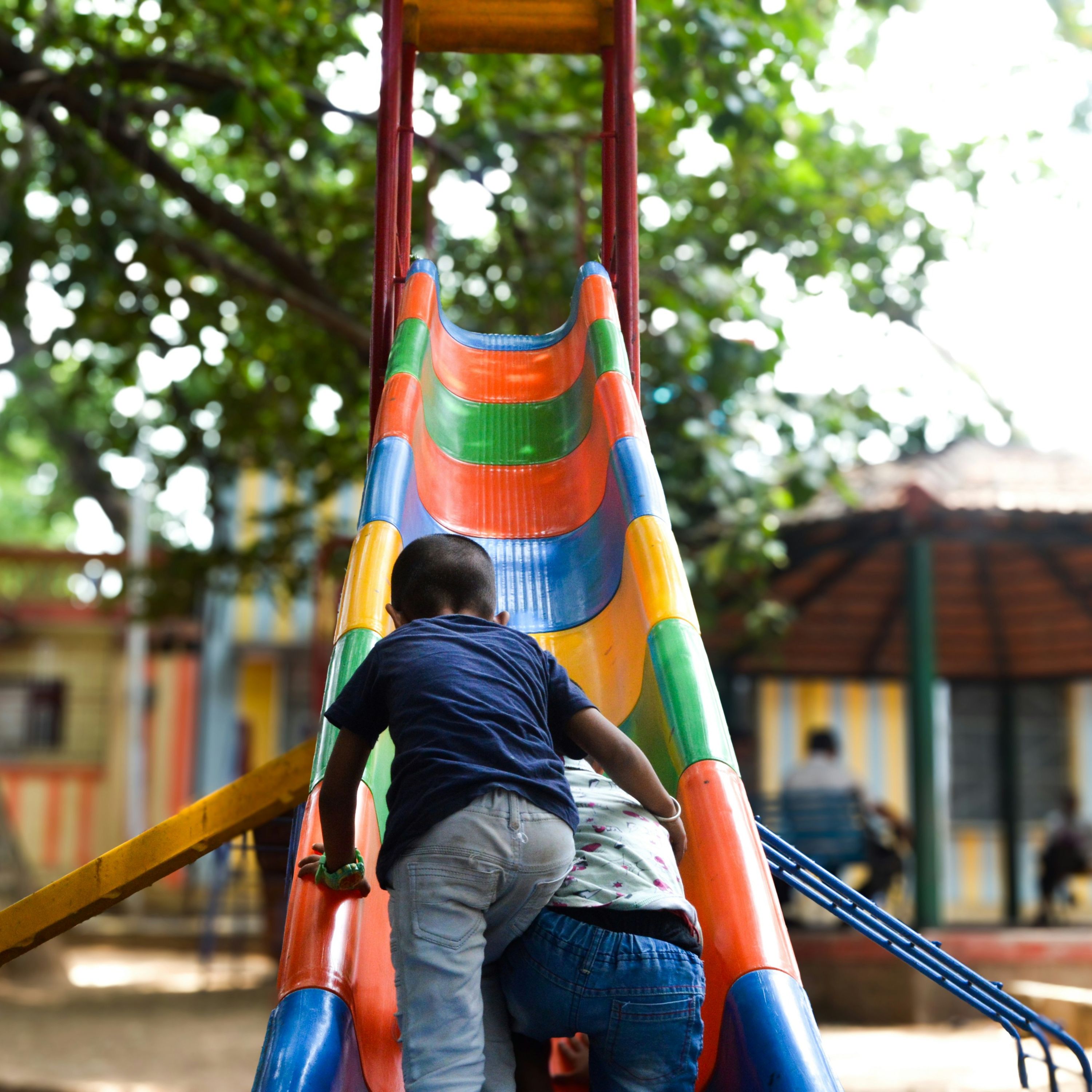
Unlike organized activities with fixed rules, unstructured play forces children to invent, negotiate, and adapt rules themselves. This teaches them that rules are not sacrosanct but are mutable agreements created to facilitate fun and fairness for the group.
When disciplining a child, always acknowledge their feelings first before setting a boundary. Voicing empathy (e.g., 'I can see you really want that') makes the child feel heard and validated, making them more receptive to the subsequent rule or denial, preventing an escalation.

Our core adult behaviors are often replays of survival strategies from childhood. The "Childhood Development Triangle" identifies three drivers: what we did to make friends, feel safe, and earn rewards (like affection). These unconscious scripts dictate our professional reactions today.

If you don't know your job as a parent in a difficult situation, you can't do a good job. A parent's core roles are setting boundaries and connecting with the child. Asking a child to comply ("Get off the couch!") when they are showing they can't is asking them to do your job of ensuring safety for you.

Understanding dreams as private, internal phenomena is a learned developmental milestone, not an innate concept. Most preschoolers believe dreams are real events that originate outside of them and can be observed by others, revealing how our core concepts of consciousness and reality are constructed.