Get your free personalized podcast brief
We scan new podcasts and send you the top 5 insights daily.
Unlike organized activities with fixed rules, unstructured play forces children to invent, negotiate, and adapt rules themselves. This teaches them that rules are not sacrosanct but are mutable agreements created to facilitate fun and fairness for the group.
Related Insights
Unlike most children who must be told to stop playing, some intellectually gifted children see play as a waste of time and must be actively encouraged to do it. For them, play is not an intuitive activity but a learned skill that must be intentionally developed.

The mere presence of an adult shifts responsibility away from children. They come to expect adults to enforce safety and solve conflicts, which discourages them from developing their own problem-solving skills, risk assessment, and self-reliance.
Over the same decades that children's independent play has declined, rates of youth anxiety and depression have steadily risen. Unsupervised play is crucial for developing an "internal locus of control," which allows kids to learn they can handle life’s challenges and builds resilience.
Research shows that when adults (parents, managers) use collaborative problem-solving, they don't just help the other person. The act of practicing empathy, perspective-taking, and flexible thinking strengthens these very same neurocognitive skills in themselves.
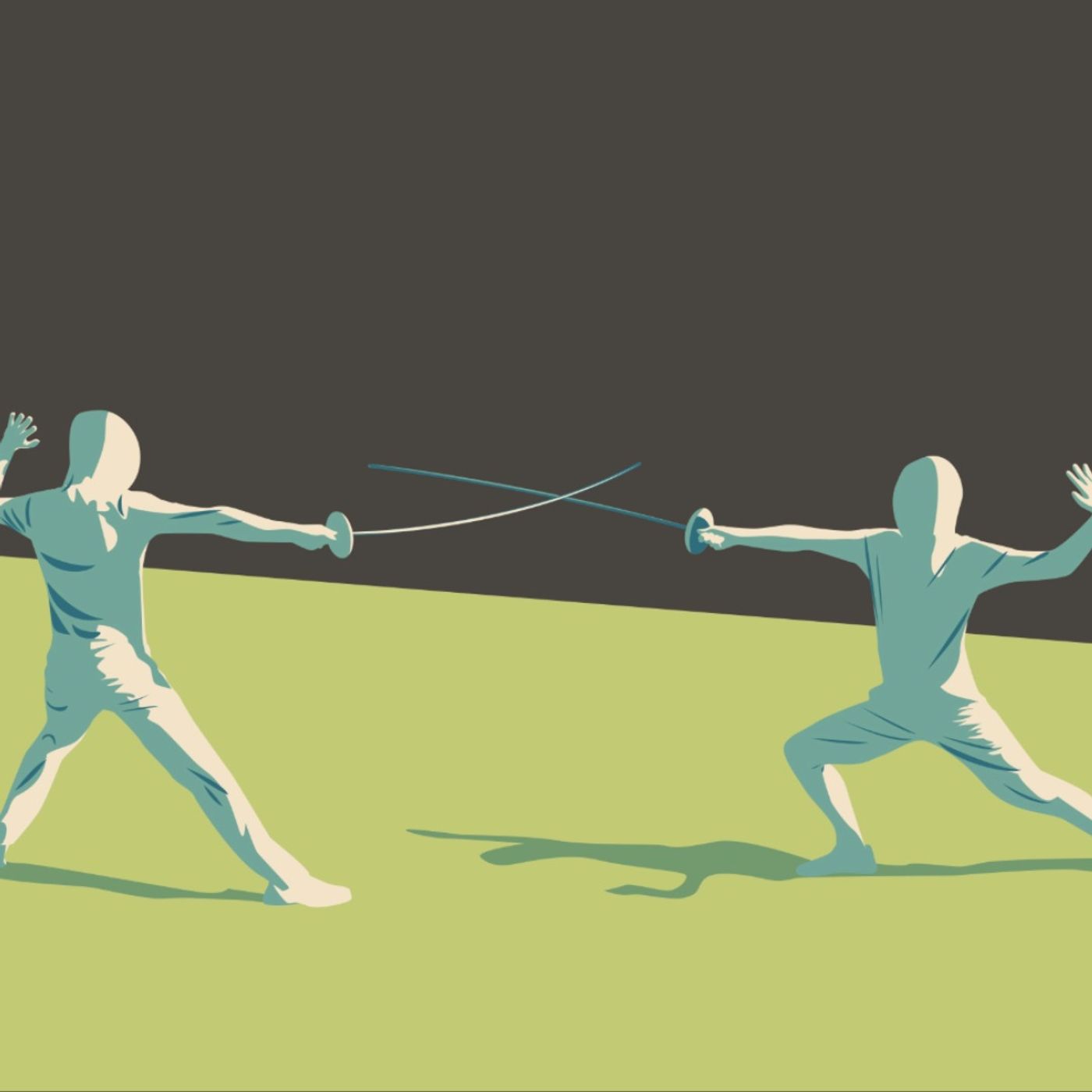
Research shows children engage in more complex, "authentic communication" when playing with peers because they are constantly negotiating and problem-solving. In contrast, adult-child interactions are often didactic and less challenging, stunting the development of sophisticated language skills.
Unlike modern age-segregated classrooms, historical mixed-age play groups create a natural learning environment. Older children develop leadership, teaching, and nurturing skills by guiding younger ones, who in turn are challenged and learn more quickly from their skilled peers.
To encourage participation from everyone, leaders should focus on the 'why' behind an idea (intention) and ask curious questions rather than judging the final output. This levels the playing field by rewarding effort and thoughtfulness over innate talent, making it safe for people to share imperfect ideas.

When adults intervene in children's unstructured play to "teach" them the "right" way to do things, they often strip the activity of its imaginative joy and engagement. This transforms a creative game into a boring, adult-led lesson, diminishing learning and happiness.
The 'Wiggle Theory' suggests we are born with a natural, playful 'wiggle' that gets suppressed by the rigid structures of adulthood. Music and other creative acts give people permission to rediscover this innate, non-linear state, unlocking essential emotional channels.
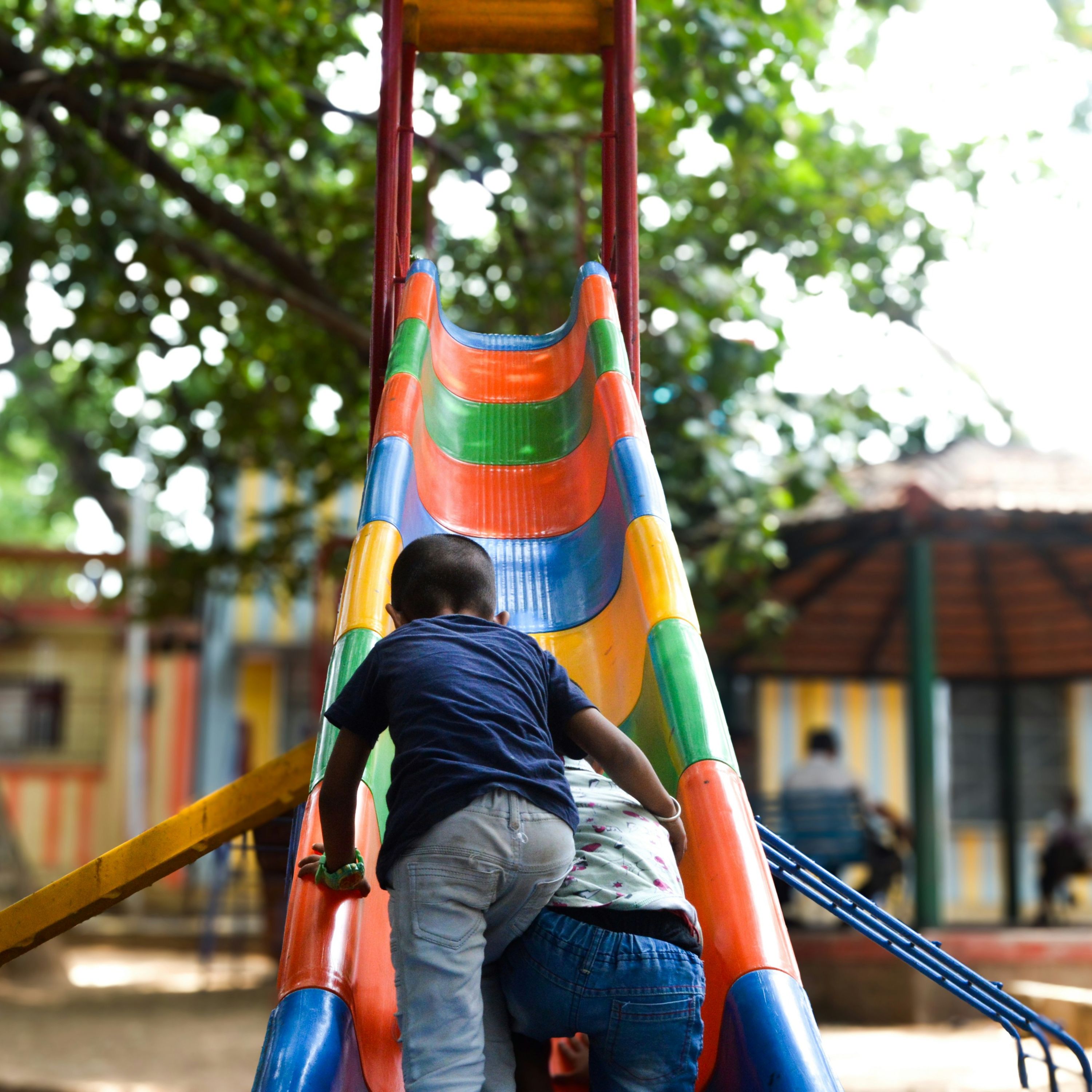
Contrary to the goal of eliminating all danger, progressive playground design intentionally incorporates managed risk. This "risky play" is psychologically vital for children to learn physical limits, problem-solving, and resilience in a controlled environment, which ultimately makes them safer.
