Get your free personalized podcast brief
We scan new podcasts and send you the top 5 insights daily.
Alex Morris's research service, TSOH, inverts the typical model by disclosing his portfolio changes to subscribers *before* executing the trades. This radical transparency builds a loyal following who values the openness, even though it adds psychological pressure to the analyst to be correct.

Related Insights
A portfolio manager's job is to synthesize information. An analyst who transparently lays out all facts, including conflicting ones, and clearly outlines bull/bear cases provides immense value. This allows the PM to make a better decision, even if the analyst's own recommendation is flawed.

Trust should be the assumed baseline for any partnership, not a goal to be discussed. The more actionable focus is on transparency—the open, honest communication about both successes and failures. Transparency is how you navigate the real-world complexities and daily challenges of working together to solve customer problems.

Instead of scheduling a pitch, Owner.com's CEO immediately sent his last three investor updates to a potential investor. This act of radical transparency showcased strong performance and trajectory, building instant trust and leading to an investment without a meeting.

To manage investor expectations effectively, adopt a contrarian communication cadence. Only report good news (like a major deal) after it has officially closed, since many B2B deals fall through at the last minute. Conversely, report bad news as early as possible. This builds trust by preventing over-promising and demonstrating transparency when it matters most.

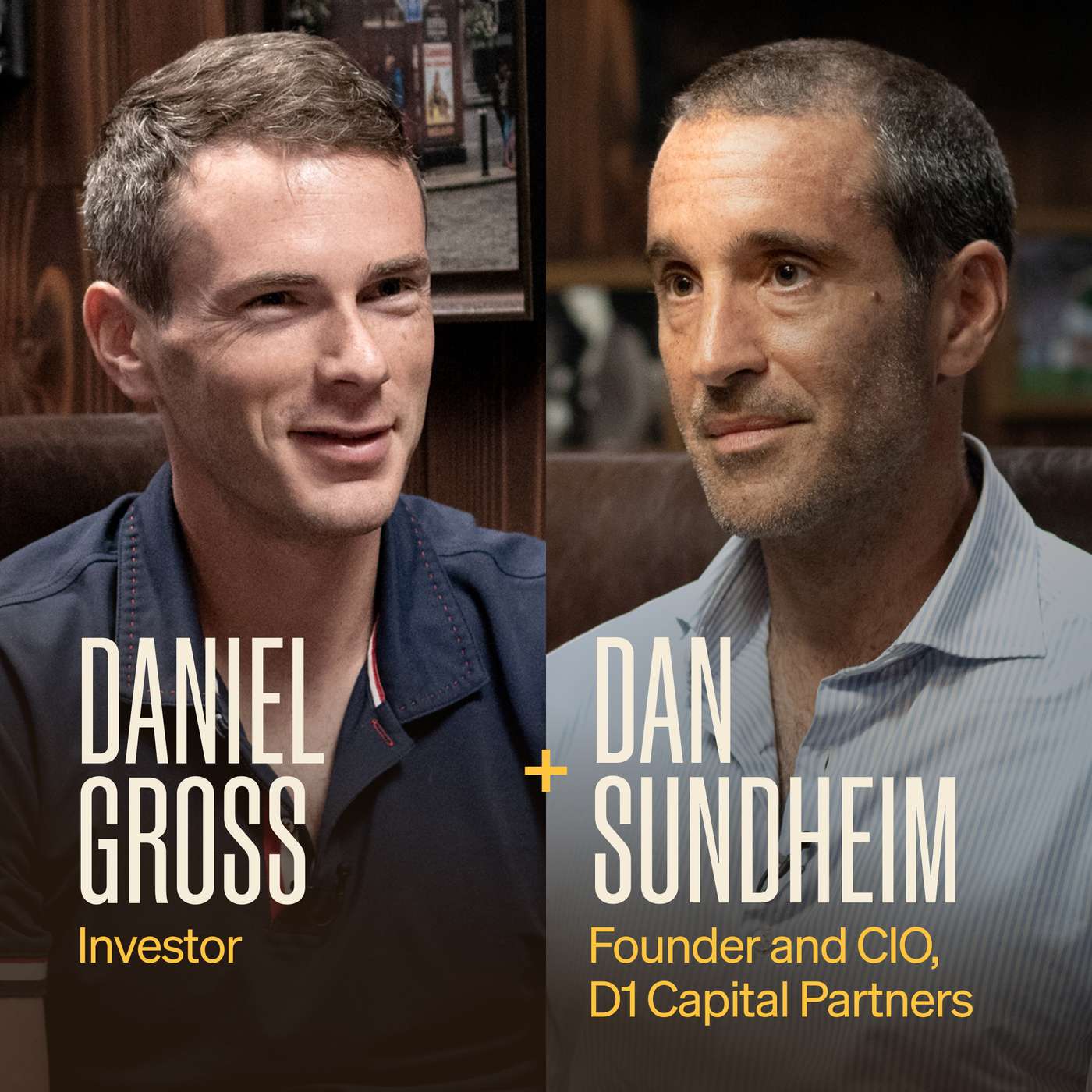
To ensure accountability and combat hindsight bias, D1 Capital requires analysts to maintain a weekly "mock portfolio" of their best ideas, weighted as if managing real capital. This pre-registered record is used in compensation reviews, preventing analysts from only highlighting their successful calls at year-end.
Openly discussing your investment mistakes, while honest, can alarm clients. They may need reminding that your competitors make the same errors but aren't transparent about them, requiring a "calibration" of their perception of your performance.

When investors publicly state their positions, they face psychological pressure to stand by them, even when new information suggests selling. This 'commitment and consistency bias' can lead to defending losing stocks for longer than a private investor might, adding a unique challenge to managing money in the public eye.

Capital Group's unique "Capital System" empowers analysts to invest client assets directly, rather than just issue ratings. This instills a deep sense of ownership and responsibility, forcing them to consider portfolio risk and diversification beyond a simple buy/sell recommendation.

To maintain stakeholder support through inevitable volatility, long-term investment vehicles must prioritize transparency. A clear, well-understood process builds trust, which in turn grants the investment team the autonomy to operate without micromanagement during difficult periods. Opacity breeds distrust and kills autonomy.
![Vlad Barbalat - Investing $120 Billion in Permanent Capital - [Invest Like the Best, EP.479] thumbnail](https://megaphone.imgix.net/podcasts/2152d90e-6ea2-11f1-bf4e-975e0e419694/image/fcbbe05dc456cfb6040005d3f6424c41.jpg?ixlib=rails-4.3.1&max-w=3000&max-h=3000&fit=crop&auto=format,compress)
Accessing daily trading data reveals how managers react under pressure, their true risk tolerance, and decision-making quality—insights impossible to glean from traditional monthly snapshots which hide significant intramonth volatility.