Get your free personalized podcast brief
We scan new podcasts and send you the top 5 insights daily.
MongoDB's CEO argues that while a wedge product provides entry, long-term defensibility comes from becoming a platform. Platforms are sticky because customers build integrations around them, making them much harder to remove than a single-purpose tool. This rarity of platforms is why few software companies surpass $10 billion in revenue.

Related Insights
Dropbox's shrinking revenue illustrates a key strategic risk. Despite being an iconic product, it became a feature within larger ecosystems like Google Workspace and Microsoft Office. Its failure to expand into a defensible, multi-product platform (e.g., failed Mailbox and Carousel acquisitions) led to its current stagnation.

Contrary to conventional wisdom, MongoDB's CEO reveals enterprise leaders have a surprising appetite for full system replacement. An AI-native company that can replace an entire legacy system of record—making it cheaper, faster, and better—will get a leader's attention far more effectively than one offering an incremental feature layer on top of an existing platform.
Startups often fail to displace incumbents because they become successful 'point solutions' and get acquired. The harder path to a much larger outcome is to build the entire integrated stack from the start, but initially serve a simpler, down-market customer segment before moving up.

A successful platform strategy focuses on leverage. It provides building blocks that reduce internal effort to launch new products, while delivering a seamless, integrated experience that creates lock-in for customers. This leverage is the platform's core value proposition.

MongoDB's CEO argues that AI's disruptive threat to enterprise software is segmented. Companies serving SMBs are most at risk because their products are less sticky and more easily replaced by AI-generated tools. In contrast, vendors serving large enterprises are more protected because "products are always replaceable, platforms are not."

Large enterprises don't buy point solutions; they invest in a long-term platform vision. To succeed, build an extensible platform from day one, but lead with a specific, high-value use case as the entry point. This foundational architecture cannot be retrofitted later.

Point-solution SaaS products are at a massive disadvantage in the age of AI because they lack the broad, integrated dataset needed to power effective features. Bundled platforms that 'own the mine' of data are best positioned to win, as AI can perform magic when it has access to a rich, semantic data layer.

Creating a basic AI coding tool is easy. The defensible moat comes from building a vertically integrated platform with its own backend infrastructure like databases, user management, and integrations. This is extremely difficult for competitors to replicate, especially if they rely on third-party services like Superbase.

True defensibility comes from creating high switching costs. When a product becomes a system of record or is deeply integrated into workflows, customers are effectively locked in. This makes the business resilient to competitors with marginally better features, as switching is too painful.

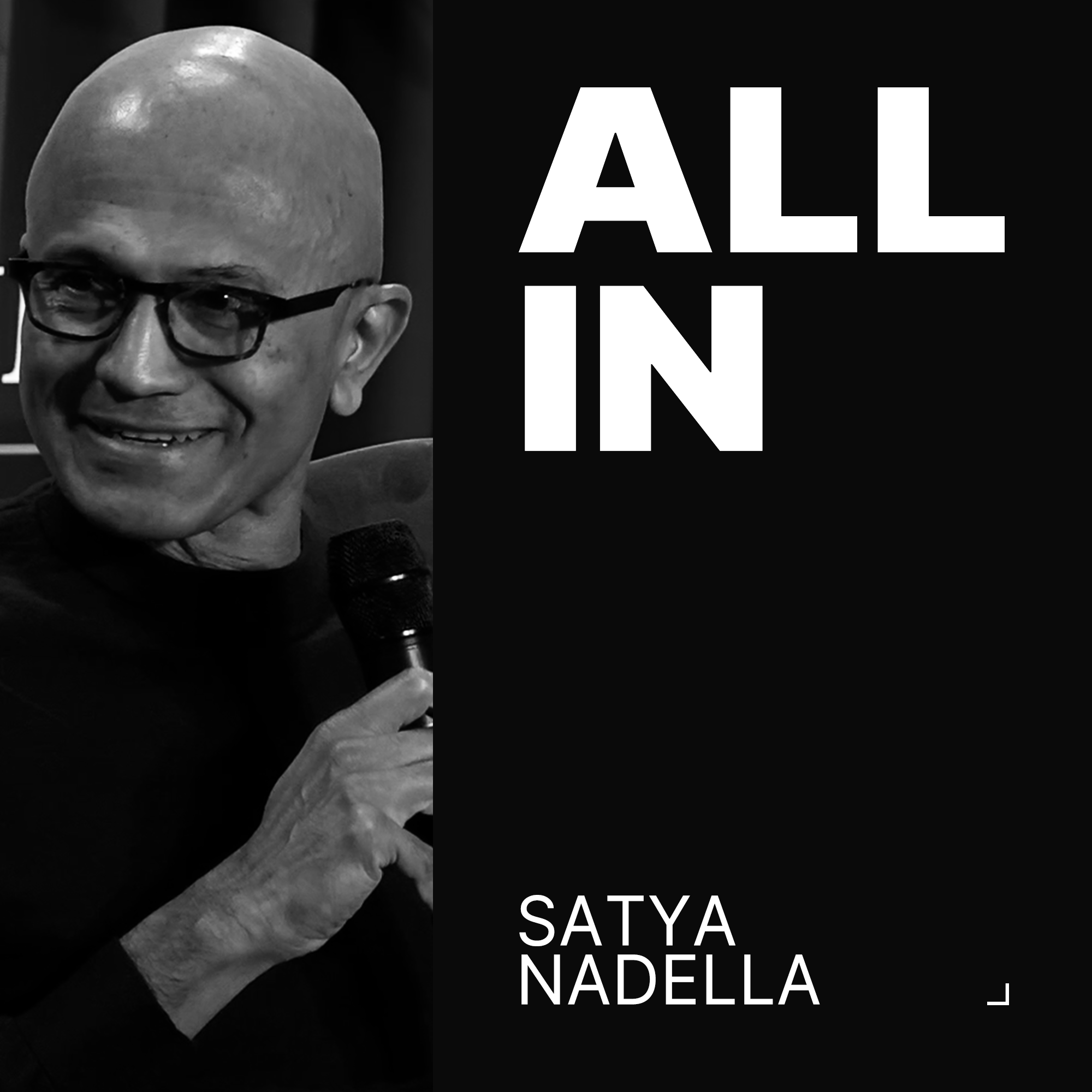
Microsoft CEO Satya Nadella argues that the ultimate measure of a platform's success isn't its own revenue, but the economic value created by its ecosystem. A platform thrives when partners and developers generate multiples of the platform's own revenue, creating a durable competitive advantage and fostering global trust.