Get your free personalized podcast brief
We scan new podcasts and send you the top 5 insights daily.
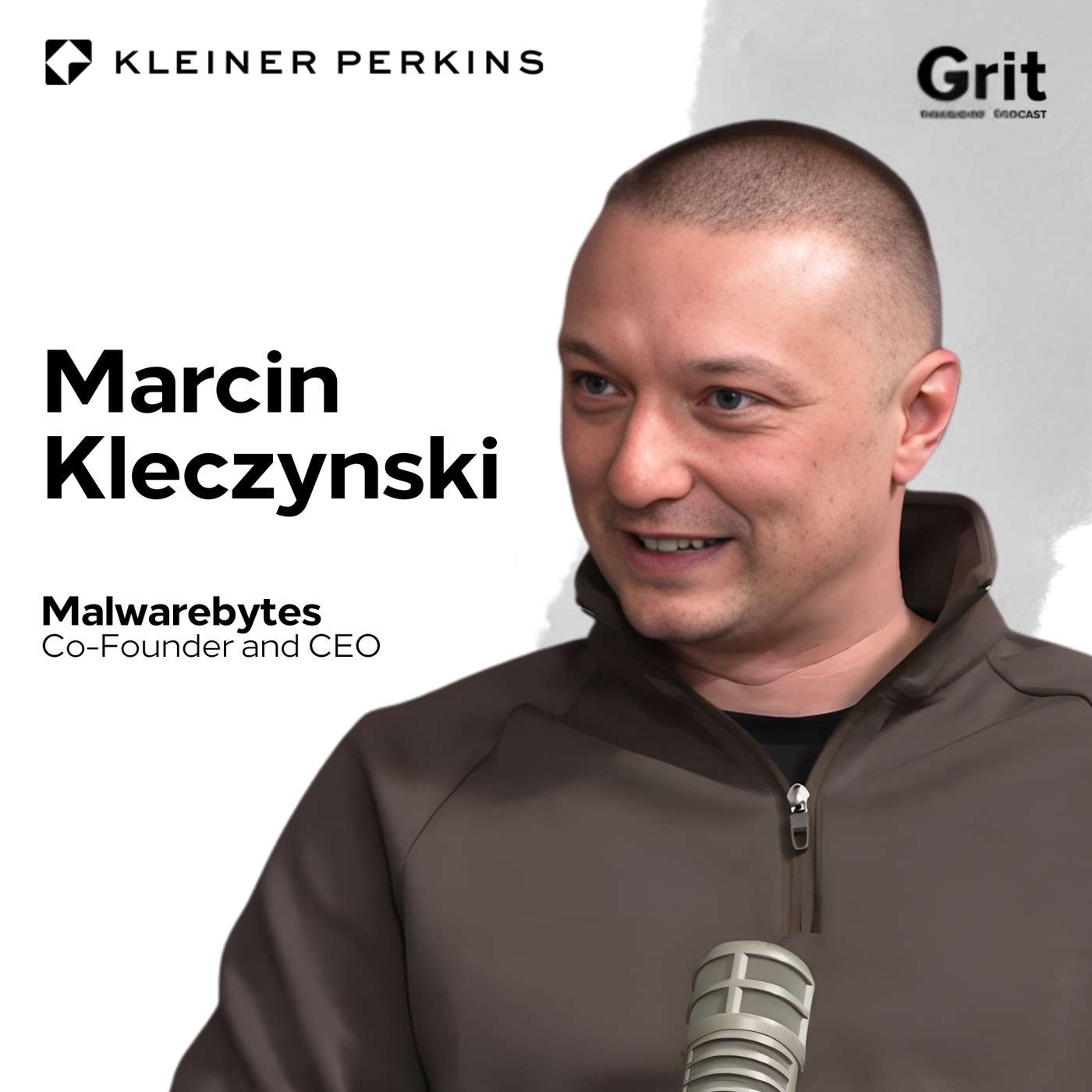
To get genuine interactions, the CEO of Malwarebytes often tells people he's 'just an engineer.' This approach stems from a servant leadership philosophy and allows him to receive unfiltered feedback about the company and its products, avoiding the pretense that comes with the CEO title.
Related Insights
A key trait of effective tech leaders is the humility to solicit and immediately act upon external feedback. Google executive Schindler asking for and implementing Jim Cramer's suggestions for an NFL product shows a focus on rapid delivery and a lack of 'not-invented-here' syndrome.

Dara Khosrowshahi believes that for a CEO to receive honest, unfiltered information, they must first be radically transparent. He views this as a self-defense mechanism; if leaders sugarcoat reality, employees will do the same, starving the CEO of the hard truths needed for good decision-making.

Effective leadership in a fast-moving space requires abandoning the traditional org chart. The CEO must engage directly with those closest to the work—engineers writing code and salespeople talking to customers—to access unfiltered "ground truth" and make better decisions, a lesson learned from Elon Musk's hands-on approach.
Feedback often gets 'massaged' and politicized as it travels up the chain of command. Effective leaders must create direct, unfiltered channels to hear from customers and front-line employees, ensuring raw data isn't sanitized before it reaches them.

Reed Hastings' most formative leadership lesson came from finding his startup CEO secretly washing his dirty coffee mugs at 4 AM. When asked why, the CEO replied, "You do so much for us. This is the one thing I could do for you." This simple act of humility and service created profound, lasting loyalty.
![Reed Hastings - Building Netflix - [Invest Like the Best, EP.453] thumbnail](https://megaphone.imgix.net/podcasts/2f1ecac4-e4ba-11f0-a8e8-777eb8de0c5a/image/28fb3c25b09448a35f17657a5e614900.jpg?ixlib=rails-4.3.1&max-w=3000&max-h=3000&fit=crop&auto=format,compress)
A key leadership trait of GM CEO Mary Barra is her practice of making herself "not the center of attention" in meetings. This intentional act brings out more voices and creates a more collaborative, less hierarchical environment where a wider range of ideas can be shared.

A top-performing CEO adapted the board practice of an "executive session." He periodically removes himself from his own leadership meetings and asks an HR leader to gather candid feedback on his performance. This powerfully models vulnerability and a commitment to continuous improvement for the entire organization.

Georges Salomon, founder of the legendary French company, personally sought out a young racer's critique of their ski boots, demonstrating the value of leaders connecting directly with ground-level users and employees for honest feedback, bypassing corporate hierarchy.

Aravind Srinivas maintains a close connection to his users by personally using Perplexity for at least 10 queries a day and actively participating in customer support. He believes this is essential for a CEO to truly understand user frustrations and make sound product decisions.

By taking a junior role during Innovation Week, the CEO signals that the event is about grassroots innovation, not management directives. This empowers teams, fosters a flat hierarchy, and allows the leadership team to engage directly with the technology and employees without exerting undue influence.