Get your free personalized podcast brief
We scan new podcasts and send you the top 5 insights daily.
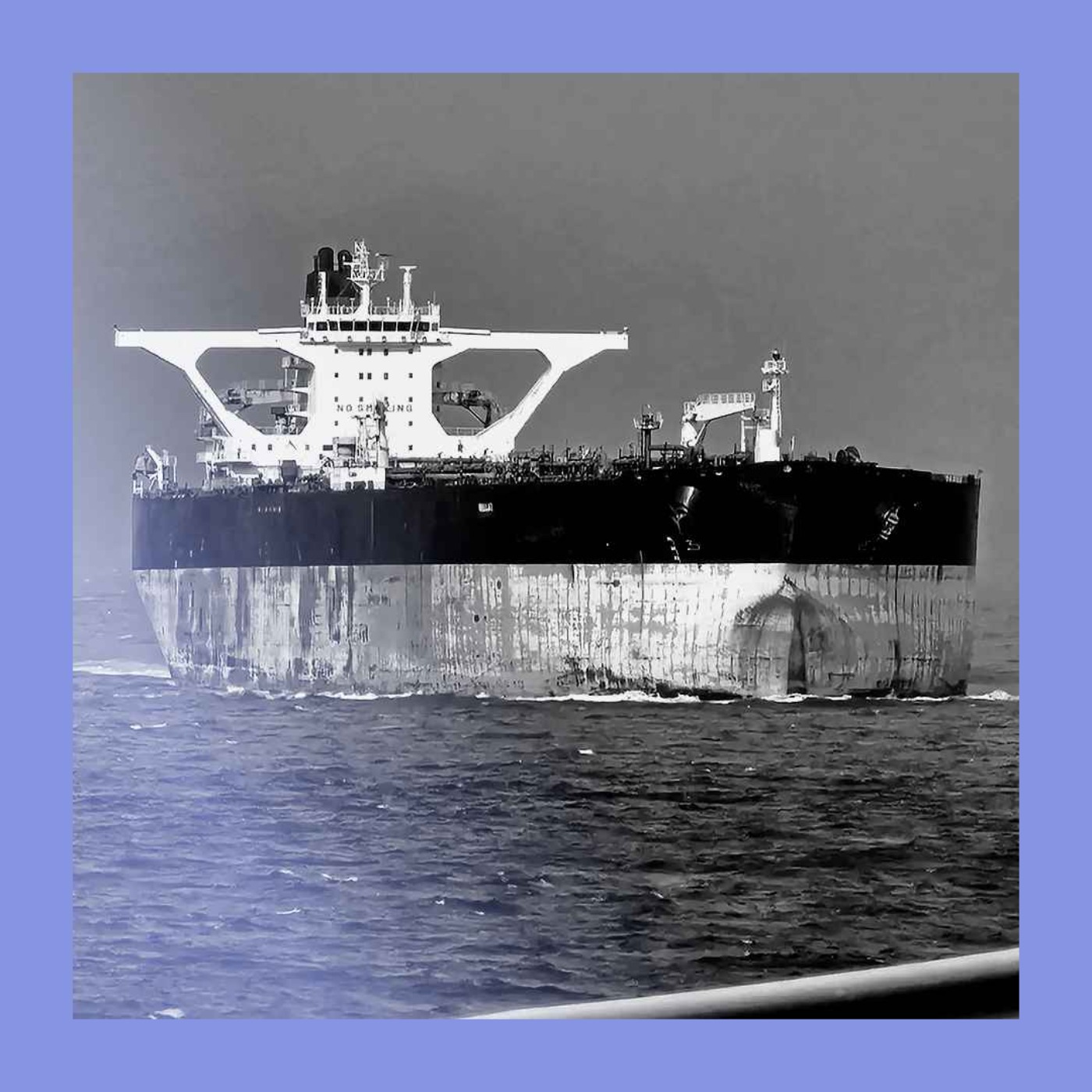
Unlike predecessors who framed foreign policy within a broader worldview (e.g., democracy promotion), Trump's approach is purely transactional and theatrical. It lacks a moral or ideological justification, instead focusing on demanding tribute, like oil from Venezuela, to appeal to a nationalist base without building a durable governing coalition.

Related Insights
Under Trump, the primary tool for projecting U.S. power is shifting from economic instruments like tariffs to direct military, intelligence, and cyber capabilities. This "Donroe Doctrine" leverages America's asymmetrical advantages in these areas, especially in its hemisphere, to achieve foreign policy wins without relying on economic coercion.
The Trump administration reveals that governance is less about ideology and more about high-stakes transactions. Success in politics, much like a game of 'money chess,' comes from identifying and trading for what each party desires—be it money, oil, or influence. This transactional nature of power is far more pervasive than many believe.

The Venezuelan intervention was coordinated with American oil businesses before and after, while Congress was kept in the dark. This demonstrates a shift where foreign policy serves specific corporate interests directly, bypassing traditional democratic oversight and processes.

Despite the public focus on oil, the primary goal of removing Maduro was likely to demonstrate U.S. primacy in the Western Hemisphere. The action serves as a strong signal that the U.S. is willing to act aggressively to enforce its influence in the region.
The World Economic Forum, once a bastion of thoughtful globalism, is shifting. Its attendees are becoming more aligned with Trump's transactional, oil-focused worldview, prioritizing personal prosperity and "getting in on the hustle" over upholding international law.
The U.S. strategy appears to be maintaining a weakened Chavista regime to ensure stability and access to oil, effectively turning Venezuela into a resource colony without genuine political change for its people.

Marco Rubio articulated Trump's foreign policy as a 'spheres of influence' model, a modern Monroe Doctrine. This framework cedes global leadership, envisioning a world where the U.S. controls the West, Russia controls its territory and Europe, and China controls Asia. This marks a fundamental shift from America's post-WWII role as a global superpower to a regional one.

The latest U.S. National Security Strategy drops confrontational rhetoric about China as an ideological threat, instead framing the relationship around economic rivalry and rebalancing. This shift prioritizes tangible deals over promoting American values globally, marking a departure from Reagan-era foreign policy.

Anne Applebaum highlights a disturbing shift where high-stakes foreign policy, like the Ukraine peace plan, is conducted by businesspeople seeking personal financial gain. This mirrors the kleptocratic systems of autocratic states, prioritizing private profit over national or allied interests, and raises questions about who American foreign policy truly serves.

The Trump administration's intervention in Venezuela is overtly focused on securing oil to lower global prices, rather than promoting human rights. The plan involves seizing and selling Venezuelan oil with the president personally controlling the proceeds in what critics are calling "high tech piracy."