Get your free personalized podcast brief
We scan new podcasts and send you the top 5 insights daily.
Jeito's investment strategy focuses on taking significant equity stakes in companies with early clinical data. This allows them to secure a board seat and actively influence strategy. They differentiate themselves by providing portfolio companies with access to a deep network of in-house experts in regulatory affairs, commercialization, and business development, acting as a true operational partner beyond just capital.

Related Insights
A16z's decision to add Hollywood agent Michael Ovitz to their board was controversial but genius. It directly led to modeling the firm after Creative Artists Agency (CAA), a novel approach in venture capital. This shows the power of seeking board-level expertise from outside your industry to challenge core assumptions and unlock game-changing strategies.

To write a billion-dollar check, a firm needs "dogmatic conviction." Thrive Capital achieves this through extremely long diligence and relationship-building periods, often spanning years. This deep familiarity, like their 10-year relationship with Stripe before a major investment, is the foundation for making huge, concentrated bets.

Unlike larger, more transactional deals, mid-market GP stakes investors win by becoming the "partner of choice." The target firms need both capital and operational expertise, allowing the investor to differentiate on value-add capabilities and avoid competing solely on offering the highest valuation.

When fundraising, the most critical choice isn't the VC fund's brand but the specific partner who will join the board. Sophisticated founders vet the individual's strengths, weaknesses, and working style, as that person has a more direct impact on the company than the firm's logo on a term sheet.
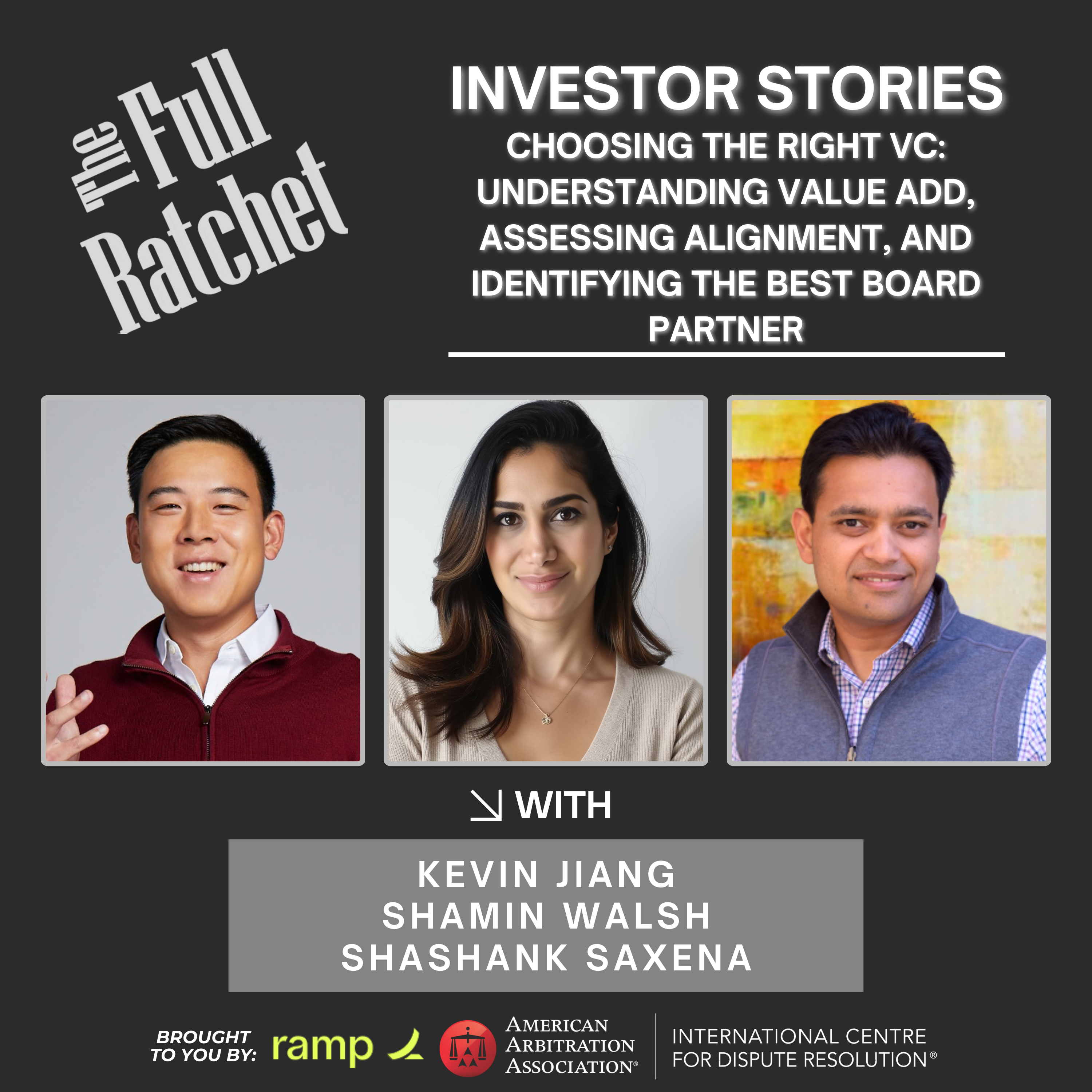
Instead of traditional pitching, TurboPuffer's CEO maintains a spreadsheet ranking potential investors on a 'tier list.' VCs earn their spot on the cap table by providing tangible value—like customer intros or strategic advice—long before a deal is discussed. This value-first approach ensures the cap table is composed of active partners.

Top-performing, founder-led businesses often don't want to sell control. A non-control investment strategy allows access to this exclusive deal flow, tapping into the "founder alpha" from high skin-in-the-game leaders who consistently outperform hired CEOs.

To win highly sought-after deals, growth investors must build relationships years in advance. This involves providing tangible help with hiring, customer introductions, and strategic advice, effectively acting as an investor long before deploying capital.
![David George - Building a16z Growth, Investing Across the AI Stack, and Why Markets Misprice Growth - [Invest Like the Best, EP.450] thumbnail](https://megaphone.imgix.net/podcasts/8da7dbd8-ceeb-11f0-941c-ef83bcdd4c9f/image/d44107bc94719f78fbe91befb141073e.jpg?ixlib=rails-4.3.1&max-w=3000&max-h=3000&fit=crop&auto=format,compress)
To maximize value creation, young private equity firm Teopo Capital made a strategic decision to hire a full-time operating partner dedicated to portfolio companies before building out a fundraising team. This signals a deep commitment to hands-on operational improvement as their core strategy.
A biotech investor's role mirrors that of a record producer by identifying brilliant talent (scientists) who may lack commercial experience. The investor provides the capital, structure, and guidance needed to translate raw scientific innovation into a commercially successful product.

Exor is strategically entering the healthcare sector not through a large acquisition, but by taking significant minority stakes in companies like Philips and Institut Mérieux. This gives them a "front row seat" to learn the industry, build knowledge, and establish credibility for a long-term pivot.
![Exor: Fiat Crisis to Ferrari Glory - [Business Breakdowns, EP.229] thumbnail](https://megaphone.imgix.net/podcasts/81a71ab6-9e6b-11f0-8aff-7bd806e17203/image/1c411f84b9b949374f0accaa0a5ff38a.jpg?ixlib=rails-4.3.1&max-w=3000&max-h=3000&fit=crop&auto=format,compress)