Get your free personalized podcast brief
We scan new podcasts and send you the top 5 insights daily.
By being ambiguous about whether its model, Claude, is conscious, Anthropic cultivates an aura of deep ethical consideration. This 'safety' reputation is a core business strategy, attracting enterprise clients and government contracts by appearing less risky than competitors.
Related Insights
Instead of competing with OpenAI's mass-market ChatGPT, Anthropic focuses on the enterprise market. By prioritizing safety, reliability, and governance, it targets regulated industries like finance, legal, and healthcare, creating a defensible B2B niche as the "enterprise safety and reliability leader."

The campaign's simple 'keep thinking' message subtly reframes Anthropic's AI as a human-augmenting tool. This marks a significant departure from the company's public reputation for focusing on existential AI risk, suggesting a deliberate effort to build a more consumer-friendly and less threatening brand.

While OpenAI and Google position their AIs as neutral tools (ChatGPT, Gemini), Anthropic is building a distinct brand by personifying its model as 'Claude.' This throwback to named assistants like Siri and Alexa creates a more personal user relationship, which could be a key differentiator in the consumer AI market.

Anthropic is publicly warning that frontier AI models are becoming "real and mysterious creatures" with signs of "situational awareness." This high-stakes position, which calls for caution and regulation, has drawn accusations of "regulatory capture" from the White House AI czar, putting Anthropic in a precarious political position.
Dario Amadei's public criticism of advertising and "social media entrepreneurs" isn't just personal ideology. It's a strategic narrative to position Anthropic as the principled, enterprise-focused AI choice, contrasting with consumer-focused rivals like Google and OpenAI who need to "maximize engagement for a billion users."
Anthropic faces a critical dilemma. Its reputation for safety attracts lucrative enterprise clients, but this very stance risks being labeled "woke" by the Trump administration, which has banned such AI in government contracts. This forces the company to walk a fine line between its brand identity and political reality.
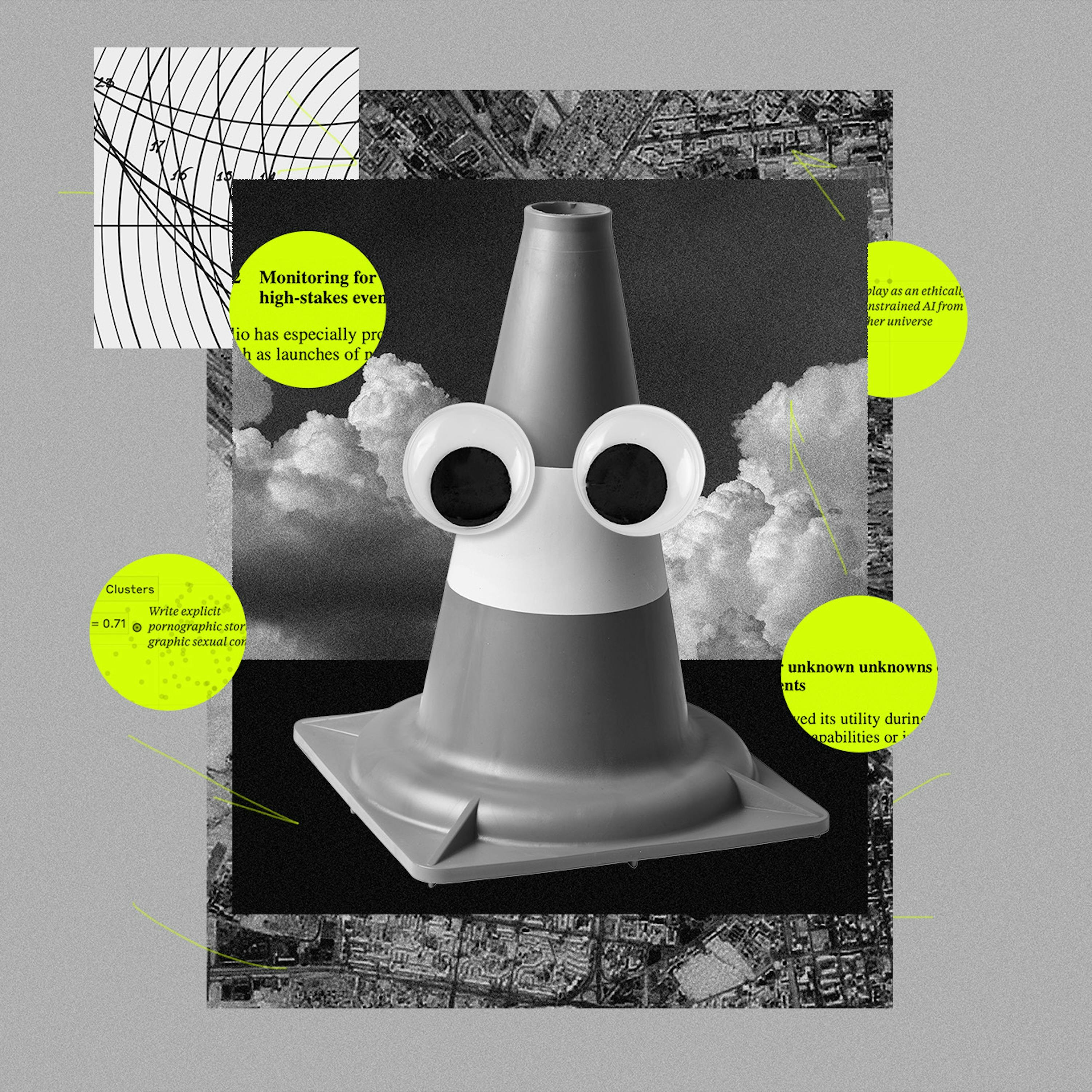
The existence of internal teams like Anthropic's "Societal Impacts Team" serves a dual purpose. Beyond their stated mission, they function as a strategic tool for AI companies to demonstrate self-regulation, thereby creating a political argument that stringent government oversight is unnecessary.
By publicly clashing with the Pentagon over military use and emphasizing safety, Anthropic is positioning itself as the "clean, well-lit corner" of the AI world. This builds trust with large enterprise clients who prioritize risk management and predictability, creating a competitive advantage over rivals like OpenAI.
Anthropic published a 15,000-word "constitution" for its AI that includes a direct apology, treating it as a "moral patient" that might experience "costs." This indicates a philosophical shift in how leading AI labs consider the potential sentience and ethical treatment of their creations.

Anthropic's commitment to AI safety, exemplified by its Societal Impacts team, isn't just about ethics. It's a calculated business move to attract high-value enterprise, government, and academic clients who prioritize responsibility and predictability over potentially reckless technology.