Get your free personalized podcast brief
We scan new podcasts and send you the top 5 insights daily.
Faced with a $500,000 offer to buy out his future royalties, Tony Hawk declined. He had a stable financial base and, sensing the game's potential from early reviews, decided to bet on himself. This "let it ride" decision was pivotal to his massive financial success.

Related Insights
Tony Hawk's Pro Skater succeeded because it was built with authenticity for the hardcore skater. By satisfying the most demanding users, the developers created a product with the depth and quality to captivate a massive mainstream audience.
When faced with a life-changing $500M acquisition offer, Ryan Smith's wife provided the clarifying perspective: "if it's going good, just keep it rolling." This, combined with a mentor's advice against selling, empowered him to turn it down and aim for a much larger outcome.
Tony Hawk viewed his video game not just as a product but as the "ultimate marketing tool" for his skateboard company, Birdhouse. He insisted on featuring Birdhouse decks in the game for free, a move that led to "ballistic" sales and saved the company.
To ensure his video game felt authentic, Tony Hawk secretly burned and distributed beta versions to his pro-skater friends. This created an invaluable, honest feedback loop from his target "hardcore" users, building buzz and perfecting the product before its public release.
Onyi Odunukwe turned down a $250M offer for 49% of his company, not for financial reasons, but because he lacked a clear next project. The fear of being directionless and losing his identity as a builder can outweigh a massive financial windfall for a founder.

For the founders, a nine-figure acquisition offer served as external validation, not an exit. They used the offer as a "scorecard" that affirmed their unique, people-first approach, giving them the confidence to reject it and reinvest in their long-term vision.
Taking a small amount of money off the table via a secondary sale de-risks a founder's personal finances. This financial security empowers them to reject large acquisition offers and pursue a long-term, independent vision without the pressure of life-changing personal wealth decisions.
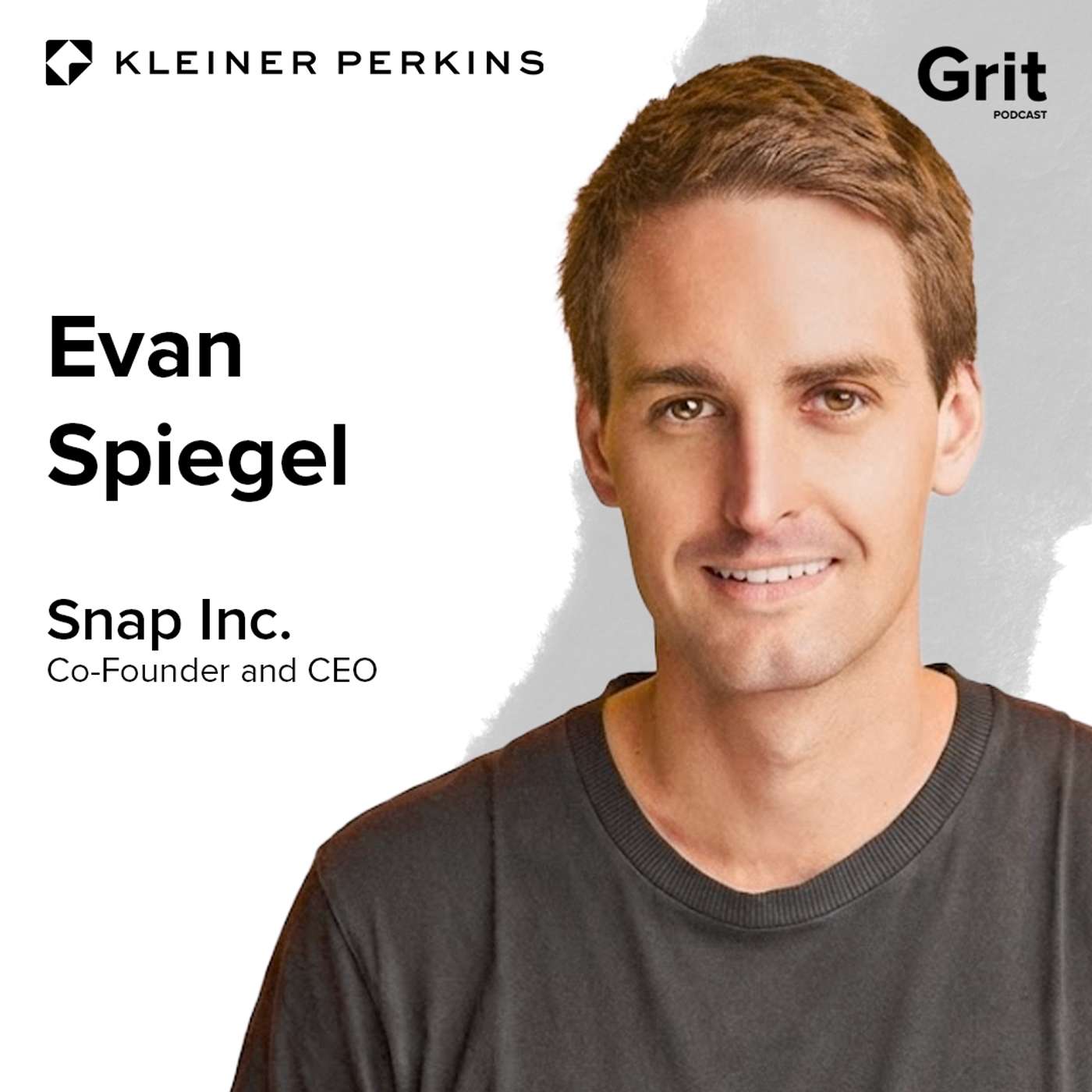
Kris Marszalek, who bought AI.com for a reported $70M, was approached with an offer "starting at $500 million" almost immediately after the deal closed. He turned it down, demonstrating extreme long-term conviction to build a category-defining brand rather than take a massive, quick profit.

Immediately after acquiring AI.com for $70M, the founder received and rejected an offer exceeding $500M. This demonstrates extreme long-term conviction, prioritizing the potential of building a platform over a massive, quick profit.
Despite a lucrative $1.2B offer from Stripe, Jack Zhang declined after verbally agreeing. He questioned whether wealth and a five-year lockup as a GM would bring him happiness, deciding that pursuing his own vision as a founder was ultimately more valuable, even if it was a harder path.