Get your free personalized podcast brief
We scan new podcasts and send you the top 5 insights daily.
For the founders, a nine-figure acquisition offer served as external validation, not an exit. They used the offer as a "scorecard" that affirmed their unique, people-first approach, giving them the confidence to reject it and reinvest in their long-term vision.

Related Insights
When faced with a life-changing $500M acquisition offer, Ryan Smith's wife provided the clarifying perspective: "if it's going good, just keep it rolling." This, combined with a mentor's advice against selling, empowered him to turn it down and aim for a much larger outcome.

When faced with a nine-figure offer, P. Terry's founders realized true wealth was the feeling of significance they derived from supporting their 1,800 employees. They concluded this non-financial return—feeling relevant and loved by their team—was more valuable than any private island or monetary sum.
A VC recounts advising founders to accept a massive acquisition offer during a market bubble, but they refused. Prioritizing his 'people-first' philosophy, he supported their decision to continue building. This choice ultimately cost the company, investors, and employees a potential $25-30 billion outcome when the market later corrected, highlighting a major conflict between financial optimization and founder support.

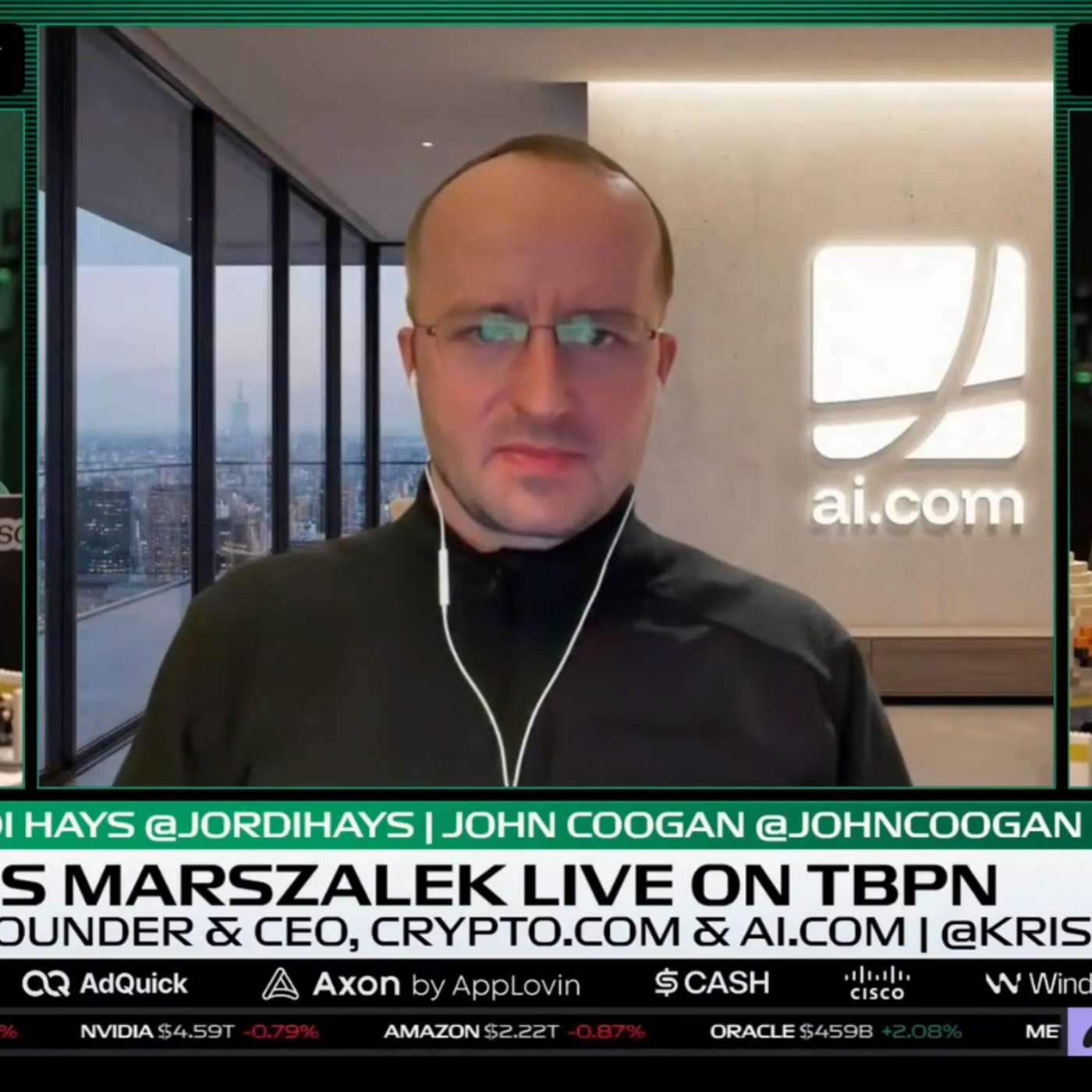
Immediately after acquiring AI.com for $70M, the founder received and rejected an offer exceeding $500M. This demonstrates extreme long-term conviction, prioritizing the potential of building a platform over a massive, quick profit.
VCs may analyze an acquisition based on a 3x return over their last round. For a founder, the math is different. A life-changing financial outcome is only worth passing up if they genuinely believe they can build a company 10x larger. A potential 3x increase isn't enough to justify the immense personal risk and multi-year effort.

Initial lowball acquisition offers can feel defeating, forcing a founder to abandon the exit dream. This forces a necessary shift to building a sustainable, long-term business. This new focus, ironically, is what makes the company far more attractive to acquirers in the future.
The founders of the P. Terry's burger chain rejected a $70-100M acquisition offer, valuing their employee-centric culture more than the windfall. They feared a new owner would prioritize profits over people, compromising their legacy of community giving and employee support.
Despite building a company worth hundreds of millions, the founders took only one personal distribution of just under $10 million in 21 years. This extreme financial discipline allowed them to self-fund rapid growth without outside investors, maintaining complete control over their mission and culture.
During an acqui-hire negotiation with Coinbase, the founders turned down a life-changing offer because it required leaving half their team behind. This ethical stand prioritized their long-serving employees over a massive personal financial windfall.
Two founders rejected a $20M acquisition offer they felt was too low. After successfully pivoting their business during the pandemic, they returned to the same buyer and received a doubled offer of $40M with better terms. This shows how patience and focusing on business performance can dramatically improve an exit outcome.