Get your free personalized podcast brief
We scan new podcasts and send you the top 5 insights daily.
Phil Knight rejected the idea that business is solely about profit. He saw it as a way to "participate more fully in the whole grand human drama" by creating something that makes strangers' lives better. This redefinition of winning beyond mere survival sustained him and his company.

Related Insights
The 20th-century view of shareholder primacy is flawed. By focusing first on creating wins for all stakeholders—customers, employees, suppliers, and society—companies build a sustainable, beloved enterprise that paradoxically delivers superior returns to shareholders in the long run.

Many are motivated by outcomes: money, status, possessions. This leads to burnout and insecurity. The key to longevity is being intrinsically motivated by the process and challenges of business itself. When you love the game more than its rewards, you become immune to fear of failure.

The most successful founders are motivated by winning and personal growth, not money. Wealth is a finite motivator that eventually runs out. Building a company based on the thrill of winning and intellectual stimulation creates a more sustainable drive for long-term success.

The most powerful way to build a business is to focus on a 'divine lever'—an action that is both a causal force for growth and is objectively good, serving demand purely without self-centered motives. This creates a sustainable, meaningful foundation for a company.

Business is a unique domain where you can pursue selfish goals (building a large, profitable company) and selfless ones at the same time. By building a successful company with ethical, people-first practices, you force competitors to adopt similar positive behaviors to compete, thereby improving the entire industry for everyone.
Marc Lore describes his career in two phases: a "mercenary" phase in banking focused only on money, and a "missionary" phase as an entrepreneur driven by purpose. He believes his greatest successes came only after this transition, when he let his values, not just financials, drive the business.

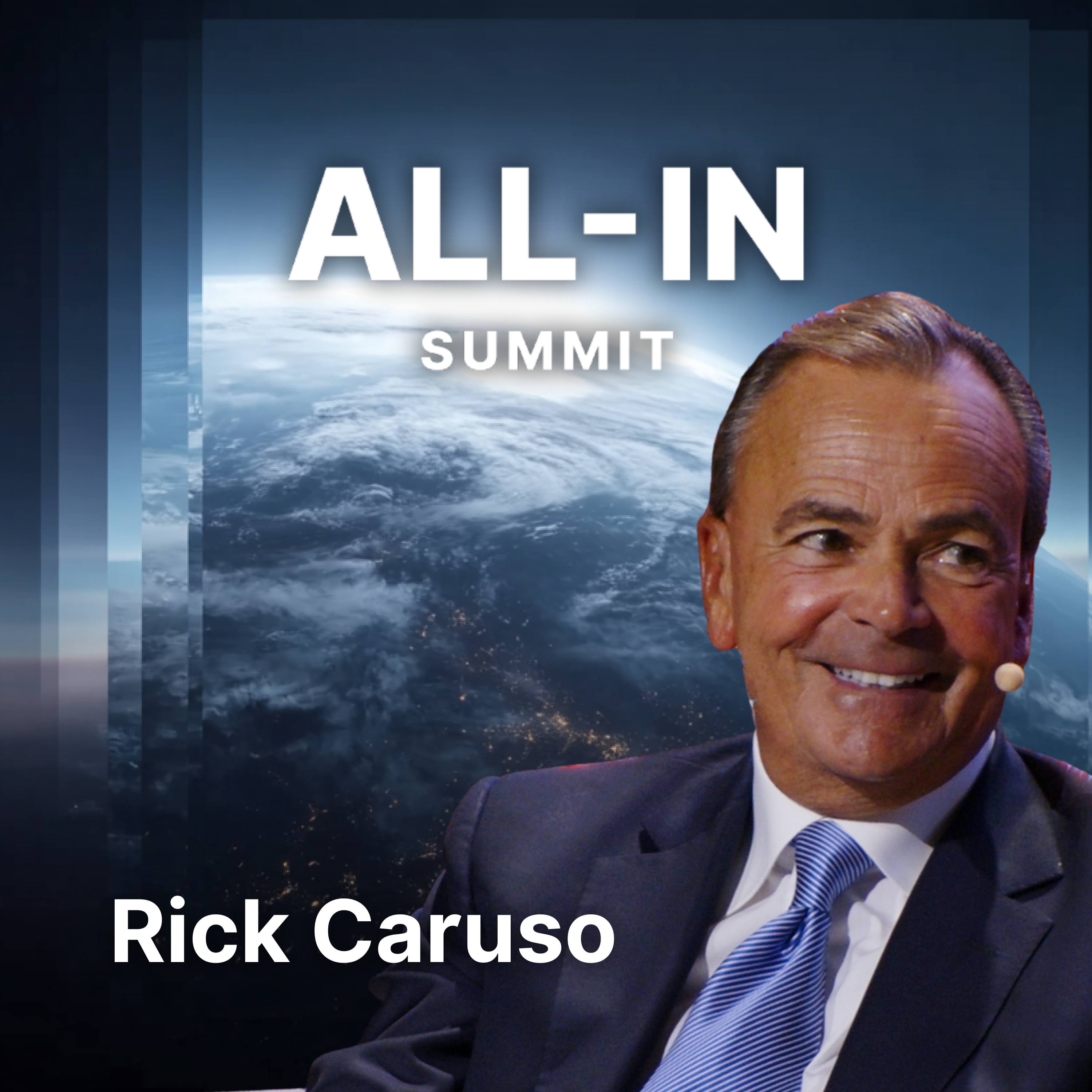
Developer Rick Caruso's company mission is "to bring joy and enrich people's lives." He argues this non-financial goal gives his team "permission" to pursue unconventional ideas like running a trolley through The Grove, which competitors focused solely on profit would dismiss, creating a significant competitive advantage in customer experience.
Beyond finding a market gap, leaders should ask what unique imprint their company leaves on the world. The most powerful justification for a company's existence is providing an essential contribution that no one else would. This reframes the mission from a business goal to an indispensable purpose.
Vaynerchuk argues society's scorecard for success (money, followers, possessions) is flawed. He builds businesses for the joy of the process itself, not for material rewards. This intrinsic motivation—maximizing joy over money—is his true definition of winning and guides his prioritization of projects.
Elon Musk's advice for entrepreneurs is to focus on being a 'net contributor to society' by making more than you take. Financial success is a natural consequence of providing useful products, not something to be pursued directly, much like happiness is a byproduct of a fulfilling life.
