Get your free personalized podcast brief
We scan new podcasts and send you the top 5 insights daily.
Individuals high in neuroticism don't just perceive situations as more stressful; data suggests they are more likely to end up in objectively stressful, challenging, or traumatic situations later in life. This indicates the personality trait may itself contribute to the creation of a difficult environment.

Related Insights
The Hierarchical Taxonomy of Psychopathology (HITOP) model reveals that symptoms of mental health problems cluster into five major dimensions that closely correspond to the Big Five personality traits. This suggests mental illness can be understood as an extreme expression of normal personality variation.
Parenting isn't a one-way street. A child's inherent temperament (e.g., ADHD, agreeableness) actively shapes parental reactions. This creates powerful feedback loops where, for instance, a difficult child elicits stricter parenting, which in turn affects development. The outcome is often misattributed solely to the parenting style.

The intense drive to achieve is often rooted in past trauma or insecurity. This "chip on the shoulder" creates a powerful, albeit sometimes unhealthy, motivation to prove oneself. In contrast, those with more content childhoods may lack this same ambition, prioritizing comfort over world-changing success.

Therapeutic interventions like psychotherapy don't just teach people to function better with their existing traits. Meta-analyses show these treatments lead to fundamental changes in personality, with the most significant effect being a reduction in neuroticism.
Psychology is moving away from a firm distinction between personality and mental health. A persistent mental health issue, by definition, is a stable pattern of experience and behavior, which fits the scientific definition of a personality trait. The two concepts are fundamentally intertwined.
The feeling of breaking down in midlife isn't caused by a single trigger. It is a cumulative effect of layered stressors—family, career, aging parents, health—that coincide with a period of low biological resilience and high emotional reactivity, creating a 'tiramisu of stress.'

When your nervous system is conditioned by a chaotic upbringing, tranquility can feel foreign and unsafe. This creates a subconscious drive to recreate chaos in relationships, work, or personal life because the familiar turmoil feels more "normal" than peace, a key hurdle in the healing process.

When someone says they're turned off by 'nice guys,' it often means their nervous system equates the feeling of love with a fight-or-flight response. Consistency and safety feel boring because they don't trigger the familiar anxiety and chase dynamic learned from past relationships or childhood.

Psychologists can predict the severity of a person's depressive and anxious symptoms not by the content of their trauma, but by the form of their narrative. Recurring, stuck narratives, or what is called the "same old story," correlate with poorer mental health outcomes.
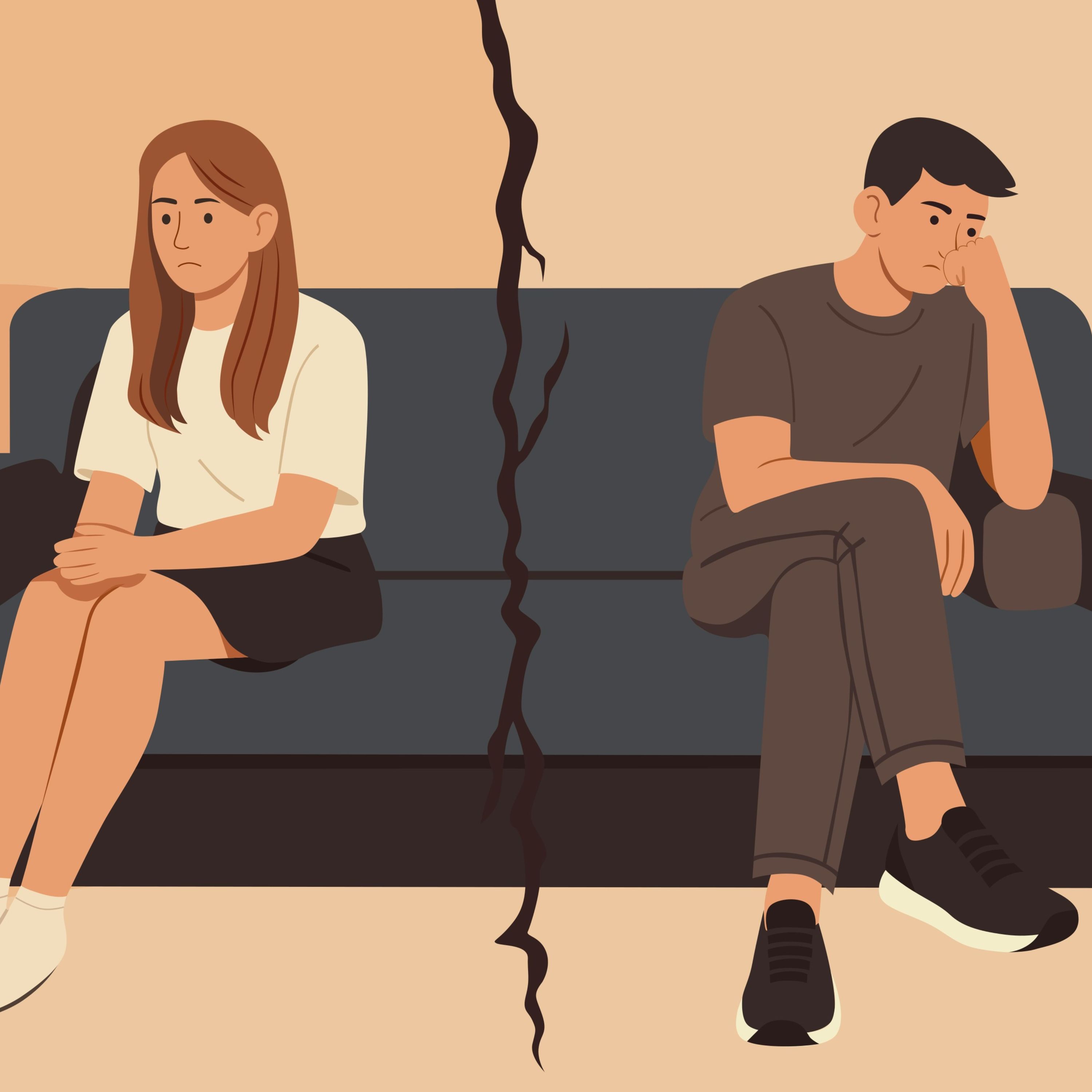
Many individuals develop a mental framework that forces them to seek negative aspects, even in positive circumstances. This is often a conditioned behavior learned over time, not an innate personality trait, and is a primary obstacle to personal happiness.
