Get your free personalized podcast brief
We scan new podcasts and send you the top 5 insights daily.
Psychology is moving away from a firm distinction between personality and mental health. A persistent mental health issue, by definition, is a stable pattern of experience and behavior, which fits the scientific definition of a personality trait. The two concepts are fundamentally intertwined.

Related Insights
The Hierarchical Taxonomy of Psychopathology (HITOP) model reveals that symptoms of mental health problems cluster into five major dimensions that closely correspond to the Big Five personality traits. This suggests mental illness can be understood as an extreme expression of normal personality variation.
A core principle of psychological health is the alignment between your internal state and objective reality. Suffering emerges when these are fractured—for instance, feeling unsafe when you are safe. True mental wellness is cultivated by achieving this coherence, which requires acknowledging your emotional data.

A core assumption of Dialectical Behavior Therapy (DBT) is that problems like depression or anxiety arise because individuals haven't learned the necessary skills to manage emotions or navigate relationships. The treatment is therefore focused on explicitly teaching these presumed-missing skills.
Therapeutic interventions like psychotherapy don't just teach people to function better with their existing traits. Meta-analyses show these treatments lead to fundamental changes in personality, with the most significant effect being a reduction in neuroticism.
Personality stability isn't just one concept. 'Rank order' stability measures if the most extraverted person in a group remains the most extraverted over time. 'Mean level' stability tracks how the average trait level for an entire population changes with age, such as dips in conscientiousness during adolescence.
Instead of a categorical disease model (virus present/absent), mental health should adopt a dimensional approach like internal medicine. Just as blood pressure exists on a spectrum, psychological traits do too. Treatment decisions can be based on evidence-backed cutoffs for risk, eliminating the need for arbitrary diagnostic boxes.
Contrary to the dominant medical model, mental health issues like depression and anxiety are not illnesses. They are normal, helpful responses that act as messengers, signaling an underlying problem or unresolved trauma that needs to be addressed rather than a chemical imbalance to be suppressed.

Psychologists can predict the severity of a person's depressive and anxious symptoms not by the content of their trauma, but by the form of their narrative. Recurring, stuck narratives, or what is called the "same old story," correlate with poorer mental health outcomes.
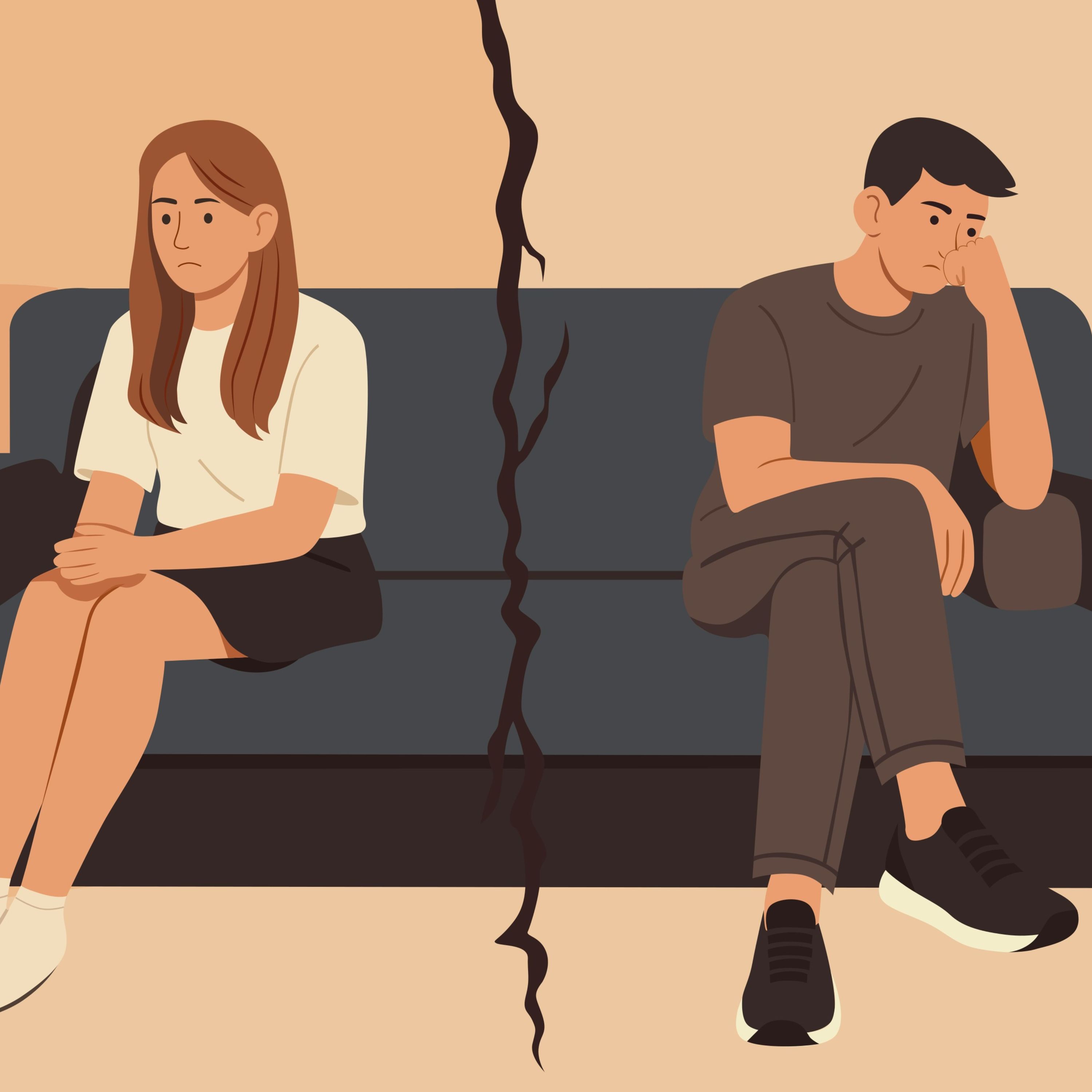
A significant portion of what we consider our 'personality' is actually a collection of adaptive behaviors developed to feel loved and accepted. When you learn to generate that feeling internally, for instance through meditation, many of these compensatory traits can dissolve, revealing they were not your core identity.

Individuals high in neuroticism don't just perceive situations as more stressful; data suggests they are more likely to end up in objectively stressful, challenging, or traumatic situations later in life. This indicates the personality trait may itself contribute to the creation of a difficult environment.