Get your free personalized podcast brief
We scan new podcasts and send you the top 5 insights daily.
Warby Parker's name comes from characters in an unpublished Jack Kerouac novel, forming the basis of its brand. This literary, American aesthetic was reinforced through marketing activations like filling the NY Public Library with models and a cross-country tour in a yellow school bus. This strategy builds a rich narrative that creates meaning beyond the product itself.

Related Insights
To truly change a brand's narrative, marketing's 'talking the talk' is insufficient. The product experience itself must embody the desired story. This 'walking the walk' through the product is the most powerful way to shape core brand perception and make the narrative shareable.

The performance underwear brand "Paradis Sport" is named after Marie Paradis, the first woman to climb Mont Blanc. This historical tie-in instantly provides a powerful narrative of female strength and perseverance, elevating the brand beyond a simple product and creating a compelling story for marketing and customer connection.

Prada’s DNA is defined as an 'opinion' and a 'point of view' on culture, rooted in art, architecture, and literature. This means every brand action is a deliberate expression of this cultural stance, ensuring nothing is accidental. This approach provides an enduring foundation beyond transient fashion trends.

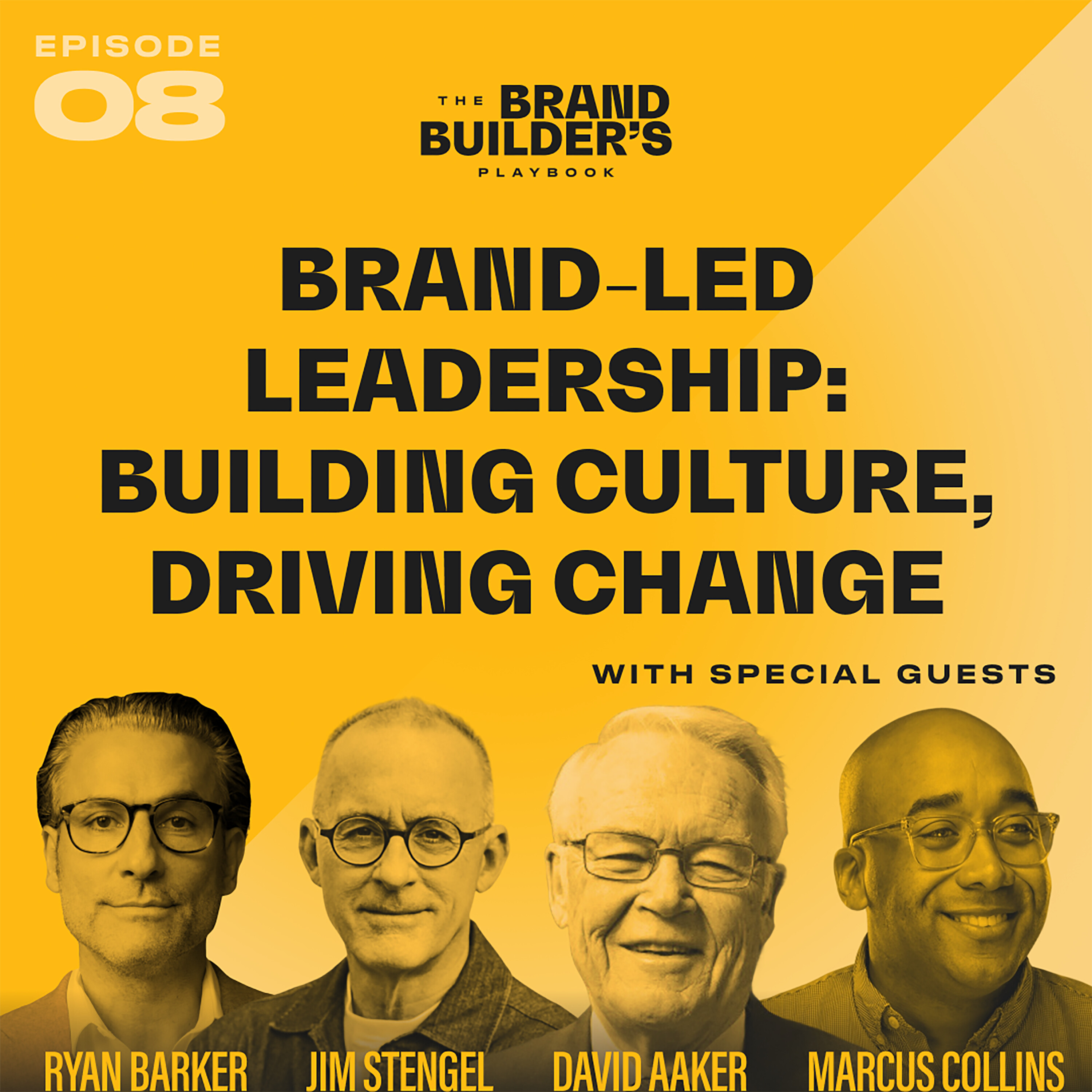
Marcus Collins explains that brands limited to their product (e.g., toothpaste) have little to talk about. However, a brand with a broader ideology (like Nike's belief that "Every human body is an athlete") gains entry and authority to engage in wider cultural discourse, creating significant energy and relevance.
Shift from the passive concept of "storytelling" to the active embodiment of "story living." This means the brand doesn't just narrate its story; it lives its ethos through every action, product, and employee interaction. This ensures authenticity and transforms the brand itself into a real-time beacon of its values, moving beyond words to demonstrable action.
![What is Marketing? With Kory Marchisotto [Uncensored Renegades] thumbnail](https://img.transistorcdn.com/VIH3Rn5ET8-eHQxgBGNydnhXL95pc10_Kq7qTpjezuc/rs:fill:0:0:1/w:1400/h:1400/q:60/mb:500000/aHR0cHM6Ly9pbWct/dXBsb2FkLXByb2R1/Y3Rpb24udHJhbnNp/c3Rvci5mbS9zaG93/LzQ3MzEvMTU3MDAz/MjQ3NC1hcnR3b3Jr/LmpwZw.jpg)
Instead of ads, create physical objects or experiences that embody a brand's story. These "narrative objects," like The Ordinary's "Periodic Fable," generate more lasting impact and conversation because the object becomes the story, not just a vehicle for it.

Despite a strong social mission, Warby Parker learned from surveys that customers prioritize style and price above all. Consequently, they lead with these messages in their marketing, often not mentioning the “buy-one-give-one” program until after a purchase is made, focusing on core customer drivers.
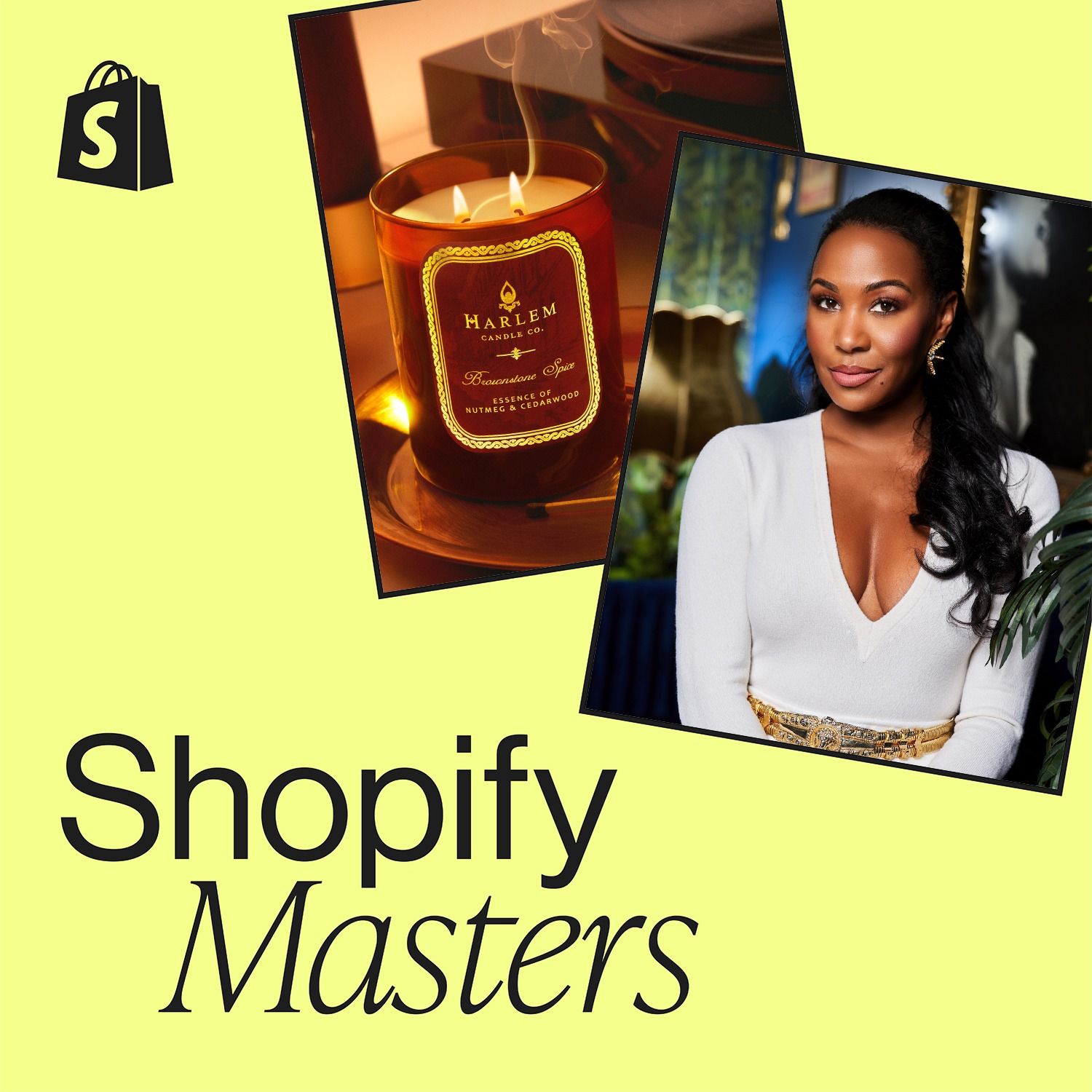
To stand out in the saturated candle market, founder Terry Johnson drew from her personal passion for the Harlem Renaissance, inspired by her time studying in Paris. This authentic connection to a specific cultural history gave the brand a unique “soul” that resonated deeply with customers.
Elite marketers don't rely on a single origin story. Like a musician with a song repertoire, they curate a collection of brand stories. They then strategically select the most situationally appropriate narrative to resonate with a specific audience, goal, or context.

A brand's marketing narrative should focus on the underlying emotional experience it provides, such as "family time" for a puzzle company. This single, powerful theme can unite a diverse portfolio of products under one compelling story, creating a stronger brand identity than marketing individual product features.