Get your free personalized podcast brief
We scan new podcasts and send you the top 5 insights daily.
Despite a strong social mission, Warby Parker learned from surveys that customers prioritize style and price above all. Consequently, they lead with these messages in their marketing, often not mentioning the “buy-one-give-one” program until after a purchase is made, focusing on core customer drivers.

Related Insights
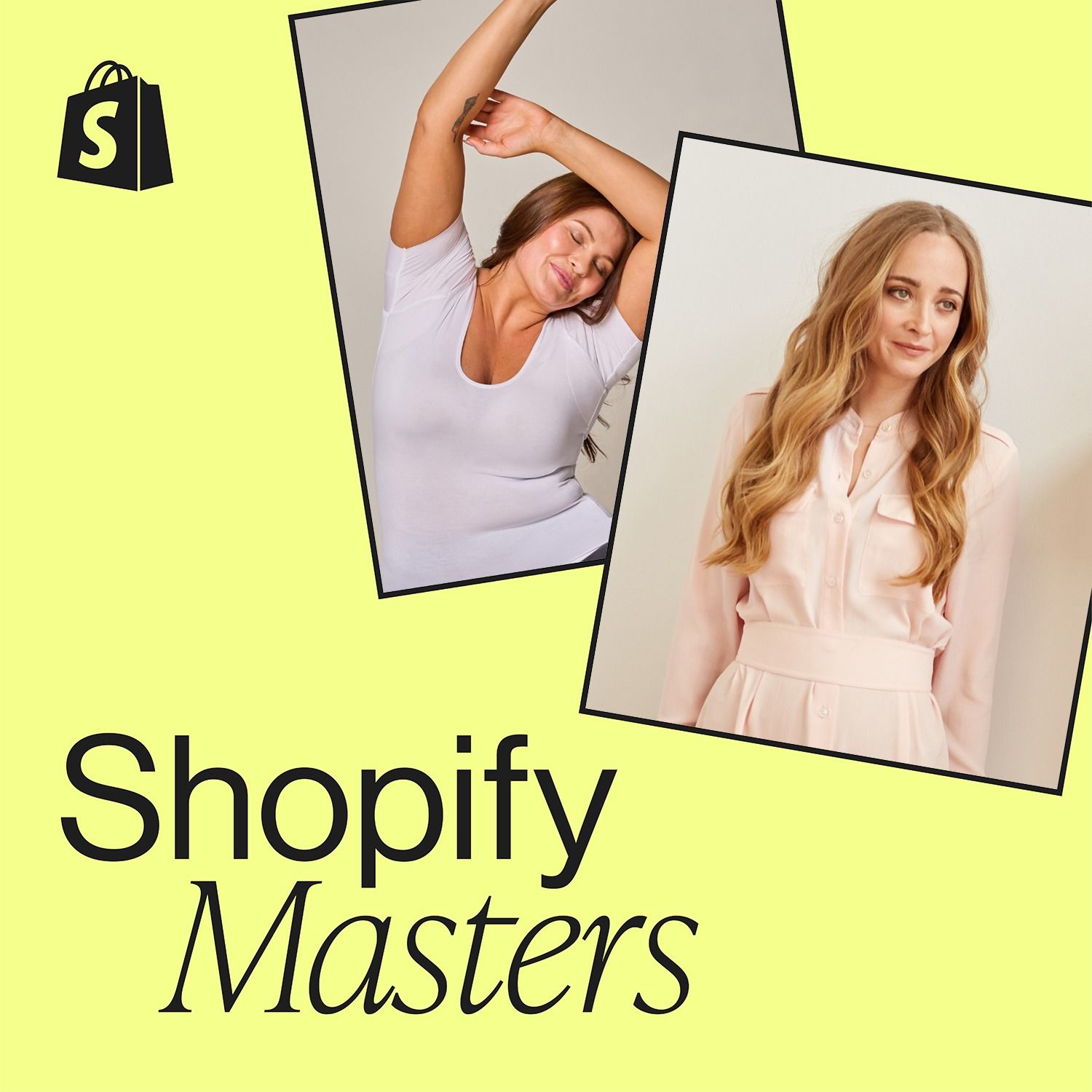
Numi's undershirts are used by nurses, flight attendants, and menopausal women, but their marketing focuses narrowly on the "professional woman." This avoids diluting the message. Trying to speak to everyone results in speaking to no one; a narrow focus creates a stronger brand identity and more effective campaigns.
Effective marketing isn't about telling your company's story. It's about inviting the customer into a story where they are the hero facing a problem. Your brand should act as the guide that provides the tool (your product) to help them succeed and win the day.

Brand love is often less about the product and more about what it symbolizes about the consumer. In an era of 'hyper-identity,' brands become signals people use to communicate their personal values and nuances. Marketing should focus on what the brand says about its user.
For the first time, Coach led its Black Friday and holiday season with brand messaging, not promotions. This reflects a conviction that building genuine brand desire reduces the need to compromise on price, even during peak sales periods, thus protecting brand value.

Affluent consumers and the mass market have fundamentally different approaches to purchasing. The wealthy often sort search results from "high to low" price, seeking to upgrade their lifestyle and find the best quality. In contrast, the majority sort "low to high," managing a budget. This is a critical psychological distinction for brand positioning.
Changing ingrained consumer behavior is incredibly difficult. A more effective strategy is to understand the customer's current world—how they shop and where they look for products—and insert your brand into those existing patterns rather than attempting to create entirely new behaviors from scratch.
The first step to humanizing a brand is not internal brainstorming, but conducting deep-dive interviews with recent customers. The goal is to understand precisely what problem they were solving and why they chose your solution over others, grounding your brand messaging in real-world validation.

A brand's marketing narrative should focus on the underlying emotional experience it provides, such as "family time" for a puzzle company. This single, powerful theme can unite a diverse portfolio of products under one compelling story, creating a stronger brand identity than marketing individual product features.
Gymshark's key product differentiator wasn't just performance, but aesthetics. They obsessed over creating 'physique accentuating' fits that made customers look and feel better. This tapped into the core emotional motivation of their gym-going audience, creating a stronger brand connection than purely functional apparel.
Move beyond listing features and benefits. The most powerful brands connect with customers by selling the emotional result of using the product. For example, Swishables sells 'confidence' for a meeting after coffee, not just 'liquid mouthwash.' This emotional connection is the ultimate brand moat.
