Get your free personalized podcast brief
We scan new podcasts and send you the top 5 insights daily.
Prada’s DNA is defined as an 'opinion' and a 'point of view' on culture, rooted in art, architecture, and literature. This means every brand action is a deliberate expression of this cultural stance, ensuring nothing is accidental. This approach provides an enduring foundation beyond transient fashion trends.

Related Insights
A successful rebrand doesn't create a new personality; it amplifies the company's true, existing identity. Just as money magnifies a person's character, a strong brand makes a company's core values—like community involvement—bigger, louder, and more public, forcing them to be more intentional.

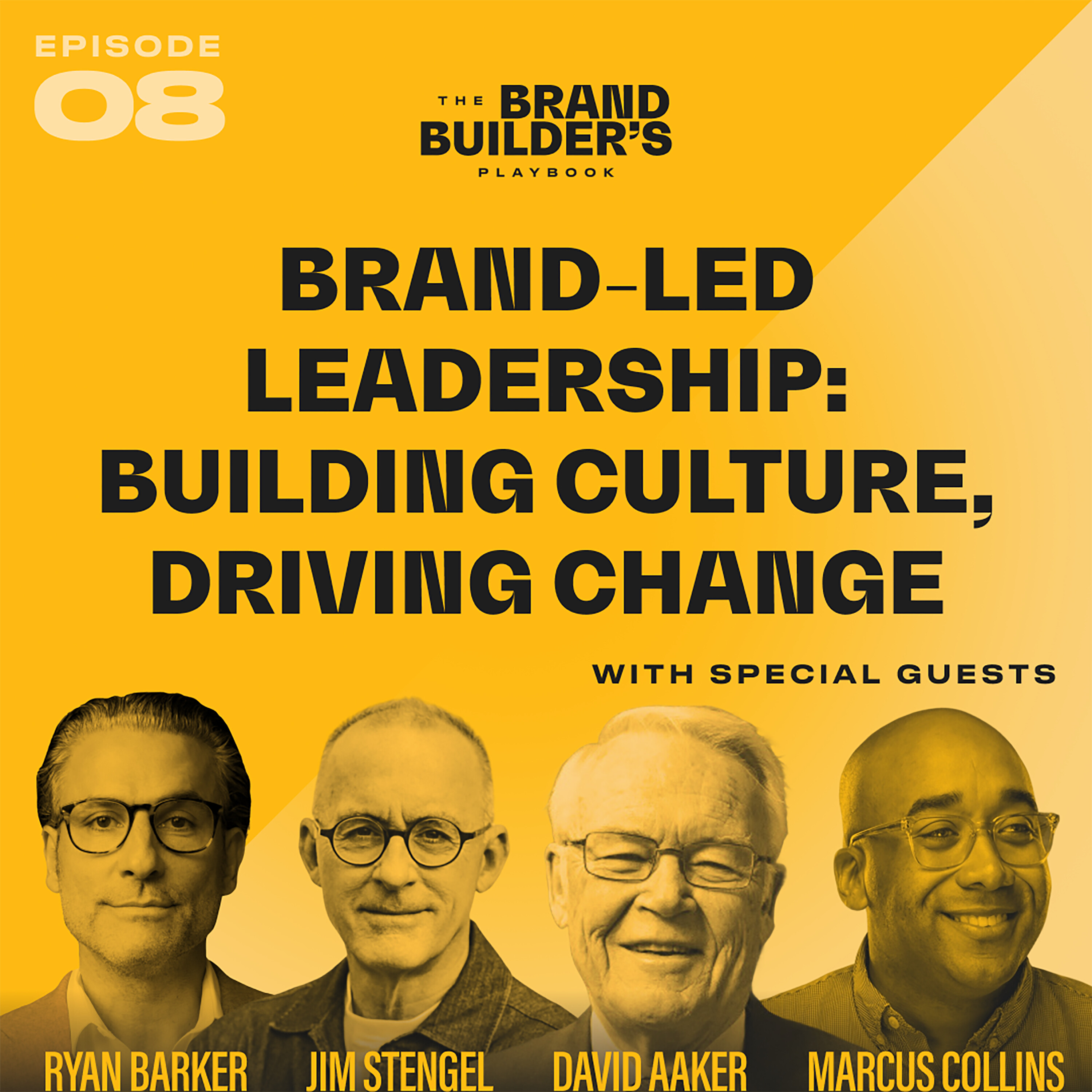
Marcus Collins explains that brands limited to their product (e.g., toothpaste) have little to talk about. However, a brand with a broader ideology (like Nike's belief that "Every human body is an athlete") gains entry and authority to engage in wider cultural discourse, creating significant energy and relevance.
Enduring 'stay-up' brands don't need to fundamentally reinvent their core product. Instead, they should focus on creating opportunities for consumers to 'reappraise' the brand in a current context. The goal is to make the familiar feel fresh and relevant again, connecting it to modern culture.

Brand love is often less about the product and more about what it symbolizes about the consumer. In an era of 'hyper-identity,' brands become signals people use to communicate their personal values and nuances. Marketing should focus on what the brand says about its user.
A rebrand's foundation isn't visual; it's defining the company's "soul"—its purpose, voice, and personality. This creates brand principles (e.g., "be undaunted but thoughtful") that serve as the objective standard for evaluating all creative choices, from the name to the logo.

True brand consistency isn't about making everything identical. Like siblings who share family traits but look different, brand executions should be 'consistently inconsistent.' They must clearly originate from the same brand DNA (the design system and archetype) but can be expressed in varied, non-repetitive ways.

Coach's CMO cites Spam's journey—from immigrant staple to source of shame, now a trendy icon—as proof that brands don't have fixed meanings. People and culture constantly redefine a brand's significance, a lesson she learned before any formal brand strategy.

A company's brand is often a shadow of its founder's obsessions and worldview. Steve Jobs's love for calligraphy shaped Apple's design ethos. This authenticity, derived directly from the founder, is impossible for competitors to replicate.

To build an authentic brand, move beyond product features and engage in an introspective process. By answering these three core questions, a company can establish its foundational ethos. This 'universal truth' then serves as a guiding principle for all external communication and strategic decisions.

The brand's resilience stems from selling the fantasy of the American dream, a narrative embodied by its founder, Ralph Lauren. This focus on a timeless story, tied to cultural moments like the Olympics, insulates the company from the volatility of fleeting fashion trends.
