Get your free personalized podcast brief
We scan new podcasts and send you the top 5 insights daily.
Tekmetric, which sells to auto repair shops, found that Microsoft Bing was a surprisingly effective paid search channel. This demonstrates that marketers targeting non-desk, less tech-savvy buyers should not assume their audience uses default B2B platforms like Google or LinkedIn.

Related Insights
The future of B2B marketing is not SEO; it's being the default recommendation when a user asks an AI agent for a solution. Software buyers will increasingly trust an agent's direct answer over traditional discovery channels, making it critical for vendors to win this new point of discovery.

The key to a true 360-degree customer view is linking a person’s professional and personal data profiles. This allows B2B marketers to overcome low match rates on consumer platforms like Instagram or CTV by targeting prospects' personal accounts, reaching them where they actually spend their time.

Building an audience on platforms like X is a viable marketing strategy for only a tiny fraction of B2B SaaS companies. Data from the TinySeed accelerator shows over 95% of its portfolio companies find customers through traditional channels like SEO, paid ads, cold outreach, and events. Don't mistake social media noise for the primary path to growth.

When a customer hears about a brand from a podcast, ad, or friend, they often search for it on Google. Analytics then attributes the conversion to Google, but Google didn't create the demand; it was merely a navigational tool, leading to flawed marketing budget allocation.

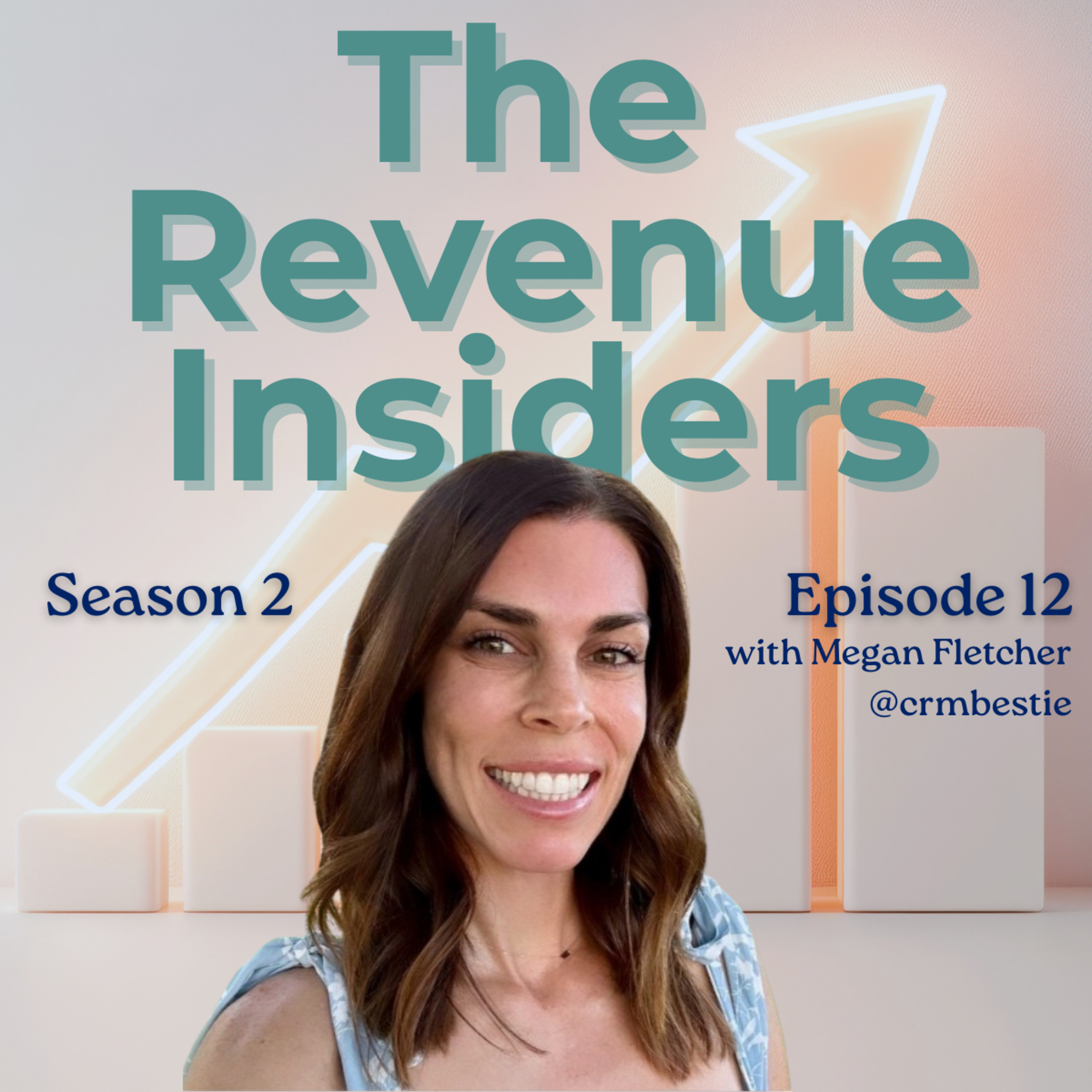
CRM expert Megan Fletcher found an untapped audience for technical RevOps and Salesforce content on TikTok, a platform often overlooked for professional development. This proves that specialized B2B communities can be built successfully on consumer-focused social media.
A journey-based analysis revealed paid search was the first touch for 76% of pipeline and 69% of closed-won deals, making it their most important pre-deal channel. This impact was completely obscured by their last-touch attribution model, which systematically under-credits top-of-funnel channels.

To find new customers, move up the funnel from 'solution-aware' to 'problem-aware' audiences. Target broader, cheaper keywords and use 'bridge pages' like advertorials to educate them on the problem your product solves. This warms up cold traffic and opens up a much larger market.

While competitors chase high-volume top-of-funnel keywords, a significant opportunity exists in low-volume, high-intent bottom-of-funnel searches. Focusing on buyer intention rather than search volume allows marketers to capture solution-aware prospects with less competition and generate more qualified leads.
B2B SaaS companies selling to specific verticals (like car dealerships) should stop broadcasting on all channels. Instead, they must focus on LinkedIn, creating native content as if for TikTok and then using targeted ads to amplify winning posts to their ideal customer profile.
Modern B2B buying isn't a linear path from a Google search to a demo. Buyers piece together their understanding from disparate, trusted sources like LinkedIn DMs, peer comments, and Slack communities. Marketing must meet them in these channels to be visible and earn trust.
