Get your free personalized podcast brief
We scan new podcasts and send you the top 5 insights daily.
Go beyond simple data analysis by feeding an AI agent multiple unstructured data sources, such as bank CSVs and dentist emails. The agent can then correlate the information and generate a custom, visual UI (e.g., a dental history timeline) within your personal "LifeOS."

Related Insights
To elevate AI-driven analysis, connect it to unstructured data sources like Slack and project management tools. This allows the AI to correlate data trends with real-world events, such as a metric dip with a reported incident, mimicking how a senior human analyst thinks and providing deeper insights.

A major hurdle for enterprise AI is messy, siloed data. A synergistic solution is emerging where AI software agents are used for the data engineering tasks of cleansing, normalization, and linking. This creates a powerful feedback loop where AI helps prepare the very data it needs to function effectively.

Coding agents are becoming powerful tools for general knowledge work. A non-technical user was able to point Claude Code at a data file and have it autonomously produce five complete, well-designed HTML dashboards and analysis reports.
The most anticipated capability of ChatGPT Health is not just answering questions, but its ability to perform cross-platform analysis that is currently difficult. Users are most excited to ask how daily steps from Apple Health correlate with sleep from Whoop, or how blood test results connect to heart rate data, uncovering previously inaccessible personal health insights.

Modern AI tools can solve complex business problems requiring coordination across distinct computer systems like Stripe, Ghost, and Postmark. By programmatically using various APIs, the AI can coalesce different data views to execute an integrated solution without explicit instruction for each step.
The value of a personal AI coach isn't just tracking workouts, but aggregating and interpreting disparate data types—from medical imaging and lab results to wearable data and nutrition plans—that human experts often struggle to connect.
By connecting to services like G Suite, users can query their personal data (e.g., 'summarize my most important emails') directly within the LLM. This transforms the user interaction model from navigating individual apps to conversing with a centralized AI assistant that has access to siloed information.
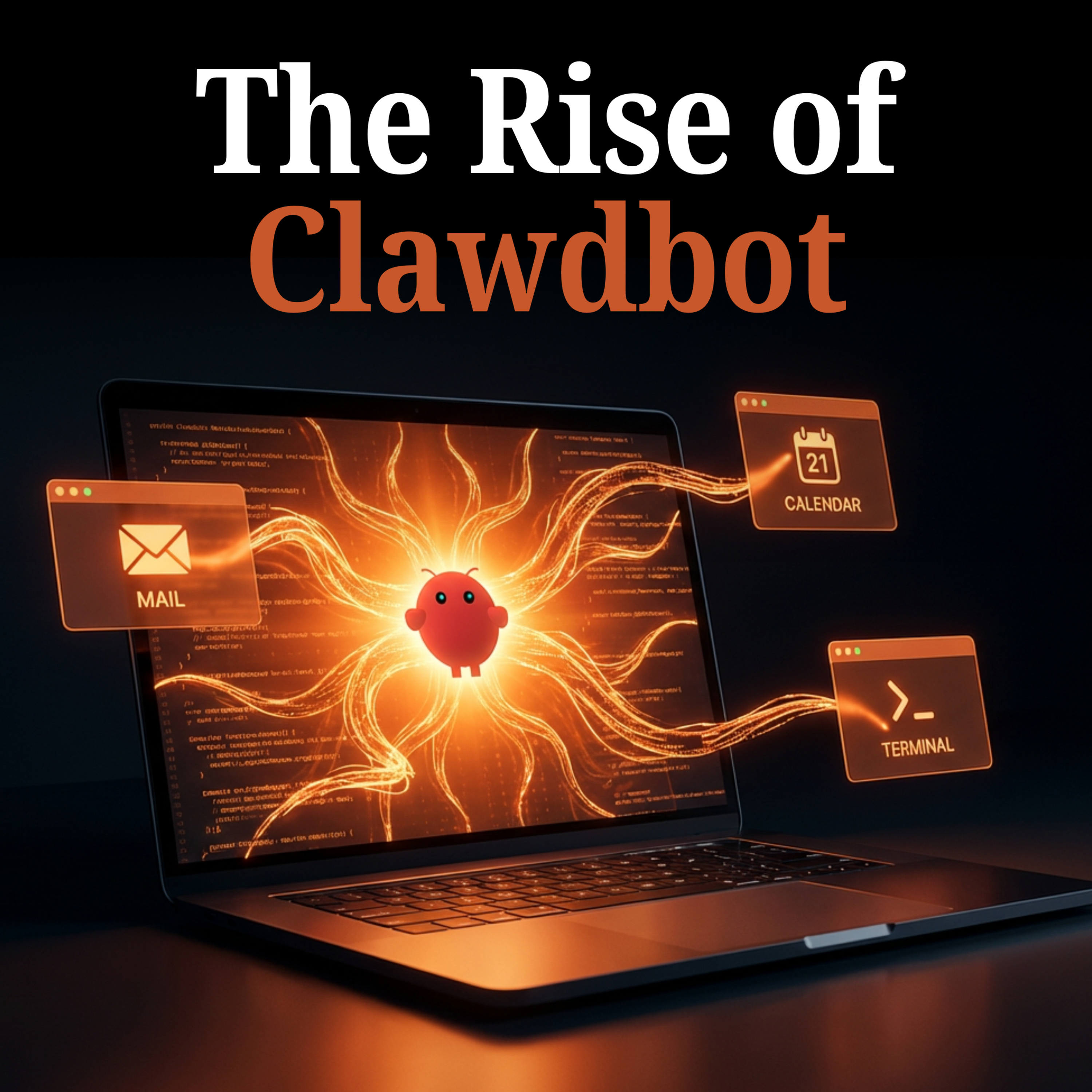
The next major leap for AI is its ability to connect disparate apps and data sources (email, calendar, location) to take autonomous actions. This will move AI from a Q&A tool to a proactive agent that seamlessly manages complex workflows.
The entire workflow of transforming unstructured data into interactive visualizations, generating strategic insights, and creating executive-level presentations, which previously took days, can now be completed in minutes using AI.

Instead of integrating with existing SaaS tools, AI agents can be instructed on a high-level goal (e.g., 'track my relationships'). The agent can then determine the need for a CRM, write the code for it, and deploy it itself.