Get your free personalized podcast brief
We scan new podcasts and send you the top 5 insights daily.
Amanda Natividad says taste comes from practice in curation and creation. She recommends asking why a piece is relatable, smart, or funny—specifically whether it reveals an emotional truth—instead of accepting “I just like it.” That turns passive consumption into a feedback loop for making better content.

Related Insights
Taste and creative judgment are not innate talents but the result of disciplined effort. True creativity is built by consuming vast amounts of material, relentlessly judging what works, creating consistently, and persisting long enough to improve. It is developed through reps, not a moment of inspiration.

Most people consume content passively based on what algorithms recommend. To cultivate taste, one must actively seek diverse and niche content beyond bestseller lists and trending topics, driven by personal curiosity rather than convenience.
Amanda Natividad suggests naming a real aspirational customer—her example is Sam Altman—and studying what that person shares and comments on. That gives the whole team a concrete target for content decisions instead of arguing internally and abstractly about thought leadership or zero-click content.
You cannot ask an AI to have taste for you. Instead, you must teach it yours by providing examples of great content and articulating precisely why each piece is effective. The AI can then interview you to distill these principles, codifying your judgment for future content generation.

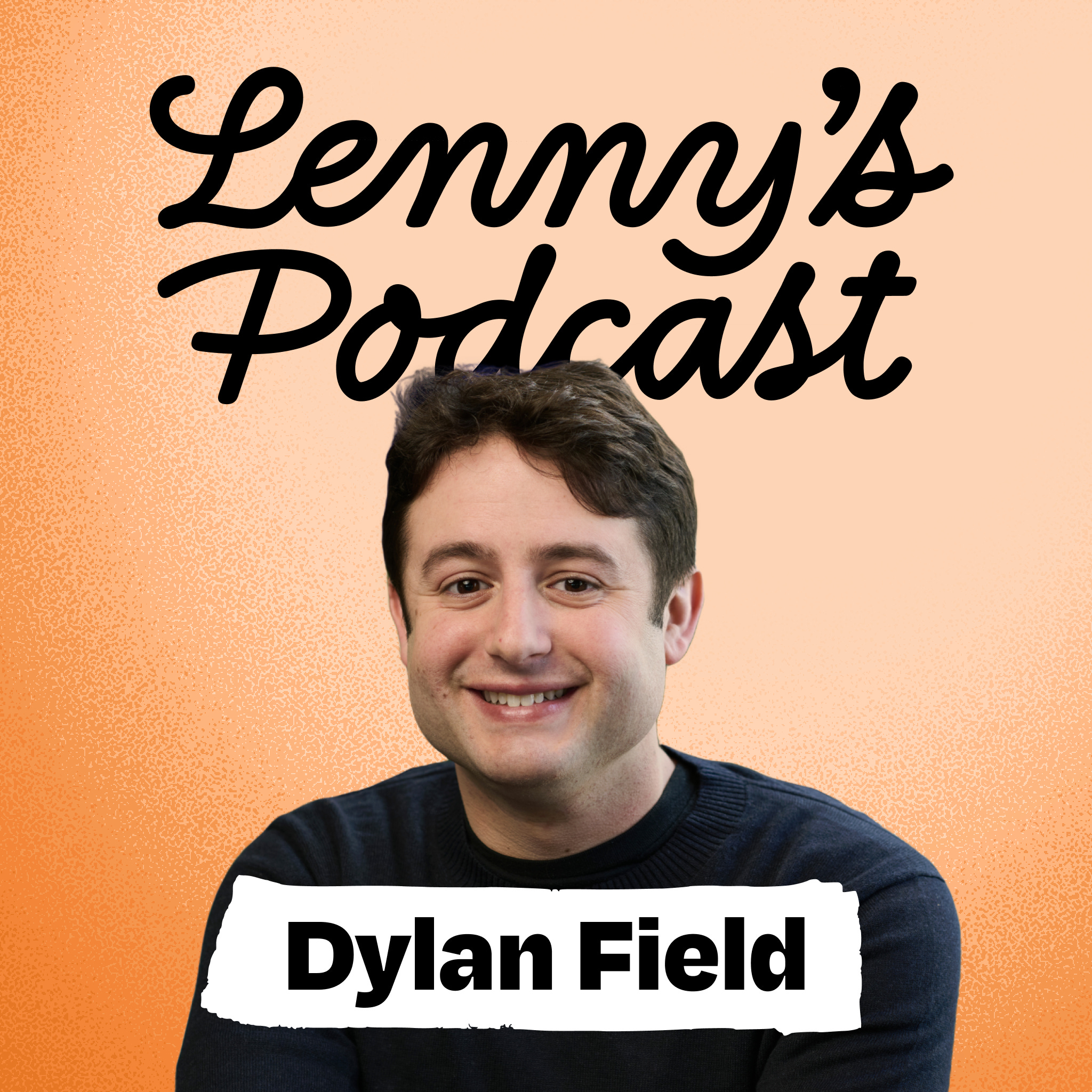
Dylan Field defines taste not as an innate gift but as a point of view developed through a repeatable process. It involves experiencing something, asking "why do I like or dislike this?", and understanding the canon that led to its creation. This allows you to build a framework for judgment.
Technical talent is not the primary driver of resonant creative work. The key ingredient is 'taste'—an unteachable ability to discern what will be emotionally pleasing and impactful to an audience. This intuitive sense separates good creators from great ones.

Before posting, dedicate a month to actively consuming content on LinkedIn. Every time you like, comment, or save a post, analyze its topic, angle, and tone. This builds the 'taste' necessary to create resonant content.

True taste is not an innate gift but a developed skill of seeing subtle patterns. By consuming vast amounts of material in a domain—like Kobe Bryant watching game tapes—one builds an intuitive library that leads to refined discernment and unique creation.
Audiences rarely remember specific facts but will always remember how your content made them feel. Identify the core feeling you want to sell—like David Blaine selling 'awe' or James Clear selling 'self-control'—and consistently deliver it. This feeling, not information, creates lifelong fans.

Taste isn't a fixed trait you either have or don't. While some may have a natural aptitude, it must be actively fostered and trained like a muscle. Environment and consistent practice are crucial for developing the ability to create taste, not just recognize it.