Get your free personalized podcast brief
We scan new podcasts and send you the top 5 insights daily.
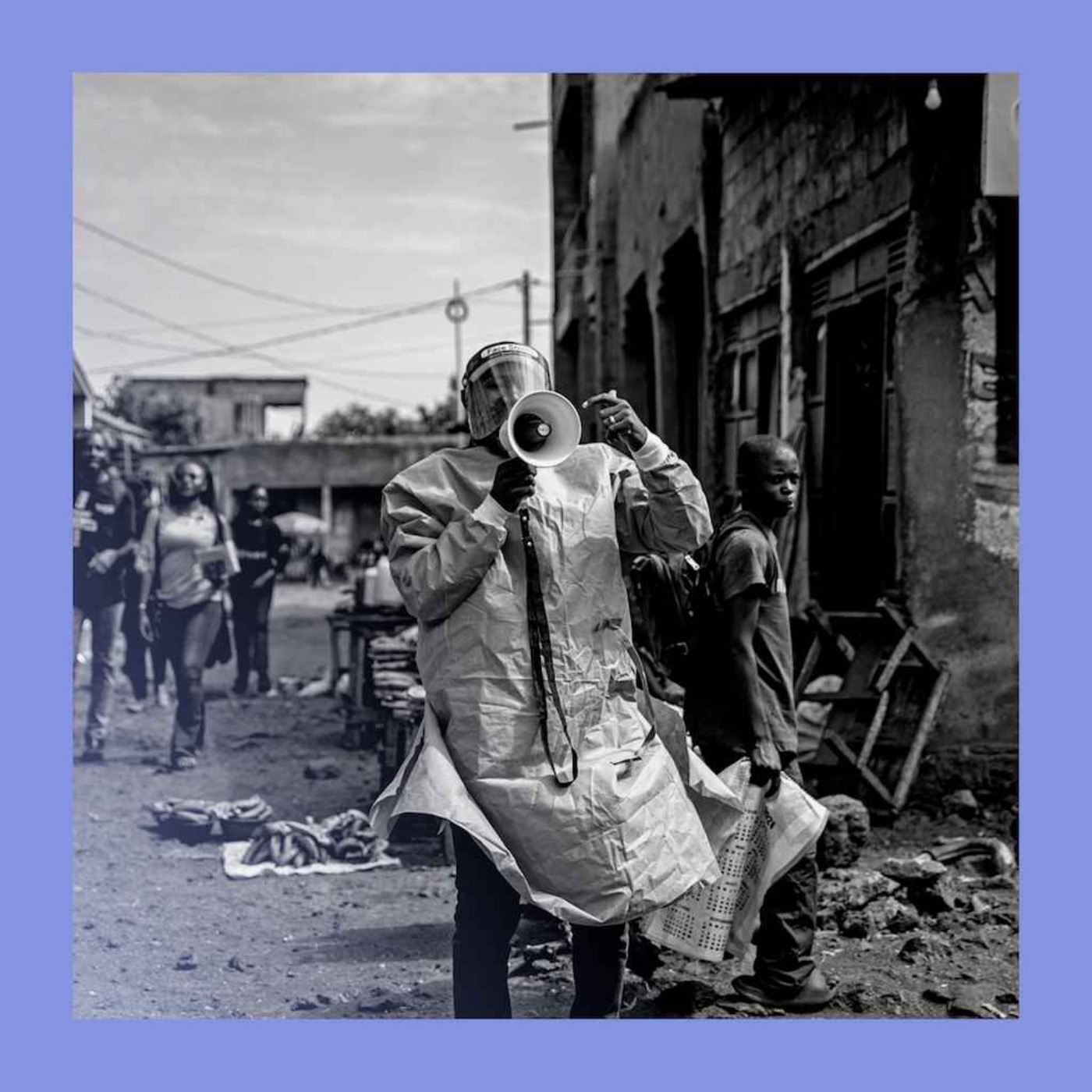
In Eastern Congo, a third of the population doesn't believe Ebola is real. This deep-seated distrust of authorities and NGOs—often seen as self-serving—leads to violence against health workers and rejection of crucial safety measures, hampering containment more than logistical or medical challenges.
Related Insights
Africa's successful Ebola response formula—vaccines plus community health workers—is ineffective against the new Bundibudjo strain. This strain has no known vaccine and evades rapid genetic testing, demonstrating that a public health "immune system" is only as strong as its scientific tools, regardless of operational experience.

In the Amazon, success and survival often depend on believing the local indigenous people, even when their claims seem mythical. Dismissing their knowledge about uncontacted tribes or animal behaviors as mere stories is a mistake; their lived experience provides a more accurate map of reality than an outsider's skepticism.

A malevolent actor using a published list of deadly viruses could release multiple pathogens at once from many locations. This would overwhelm medical systems and, most critically, cause societal collapse when essential frontline workers refuse to risk their lives and families for their jobs, shutting down the supply of food, power, and law enforcement.

Effective vaccines eradicate the visible horror of diseases. By eliminating the pain and tragic outcomes from public memory, vaccines work against their own acceptance. People cannot fear what they have never seen, leading to complacency and vaccine hesitancy because the terrifying counterfactual is unimaginable.

Malaria expert James Tabenderana notes that research is adopted much faster when led by national researchers. In the Sahel, studies on malaria chemoprevention were quickly implemented because local researchers, with their existing trust and relationships with ministry of health officials, could effectively bridge the gap between evidence and policy.

High COVID-19 vaccine rejection in some UK minority communities was not simple hesitancy. It was driven by a deep distrust born from a lack of representation in clinical trials and public health communications, making people feel the vaccine 'isn't for me.'

When a public health intervention successfully prevents a crisis, the lack of a negative outcome makes the initial action seem like an unnecessary overreaction. This paradox makes it difficult to justify and maintain funding for preventative measures whose success is invisible.

Diseases like Ebola and malaria, which primarily affect poor countries, lack market incentives for vaccine R&D. The Ebola vaccine only progressed because it was briefly on a U.S. bioterrorism list created after 9/11, highlighting how market failures require creative, sometimes accidental, incentives to overcome.
While successful vaccines exist for the common Zaire strain of Ebola, the current outbreak is caused by the different Bundibucho strain. This critical mismatch means there is no licensed vaccine available, forcing a complete restart of the scientific response and a race to develop a new, untested version from scratch.
Effective epidemic response requires a coordinated system across three areas: logistical field operations (testing, isolation), political will (funding, governance), and scientific innovation (vaccine development). A failure in any one of these distinct fronts cripples the entire effort to contain a disease outbreak.