Get your free personalized podcast brief
We scan new podcasts and send you the top 5 insights daily.
While successful vaccines exist for the common Zaire strain of Ebola, the current outbreak is caused by the different Bundibucho strain. This critical mismatch means there is no licensed vaccine available, forcing a complete restart of the scientific response and a race to develop a new, untested version from scratch.
Related Insights
Africa's successful Ebola response formula—vaccines plus community health workers—is ineffective against the new Bundibudjo strain. This strain has no known vaccine and evades rapid genetic testing, demonstrating that a public health "immune system" is only as strong as its scientific tools, regardless of operational experience.

The rationale for "virus hunting" is to create advance vaccines. However, you cannot safely test a vaccine for a novel, deadly pathogen on healthy humans. This makes the knowledge unactionable for prevention, while creating immense risk by bringing dangerous pathogens into leaky labs and publicizing their existence.

When a vaccine successfully eliminates dominant bacterial strains (serotypes), it creates a niche for non-covered strains to emerge and cause disease. This phenomenon, "serotype replacement," means narrowly focused vaccines can become victims of their own success by shifting the landscape of infectious threats.
![Solving Antimicrobial Resistance, Vaccines, Antibiotics | Immunethep 🇵🇹 | E55 [Sponsored] thumbnail](https://d3t3ozftmdmh3i.cloudfront.net/staging/podcast_uploaded_episode/38602414/38602414-1775472100828-2b361bd18cd64.jpg)
Unlike a drug that can be synthesized to a chemical standard, most vaccines are living biological products. This means the entire manufacturing process must be perfectly managed and cannot be altered without re-validation. This biological complexity makes production far more difficult and expensive than typical pharmaceuticals.

The FDA is shifting policy to no longer allow reliance on immunogenicity data (immunobridging) for approving new or updated vaccines. This move toward requiring full clinical efficacy trials will make it harder to combat evolving pathogens and would have prevented past approvals of key vaccines like those for HPV and Ebola.

Agencies like BARDA are funding drugs that treat severe symptoms common to various pathogens, such as acute respiratory distress syndrome (ARDS). This strategy aims to have pre-approved, pathogen-agnostic treatments available immediately during a new pandemic to reduce mortality while vaccines are developed.

Diseases like Ebola and malaria, which primarily affect poor countries, lack market incentives for vaccine R&D. The Ebola vaccine only progressed because it was briefly on a U.S. bioterrorism list created after 9/11, highlighting how market failures require creative, sometimes accidental, incentives to overcome.
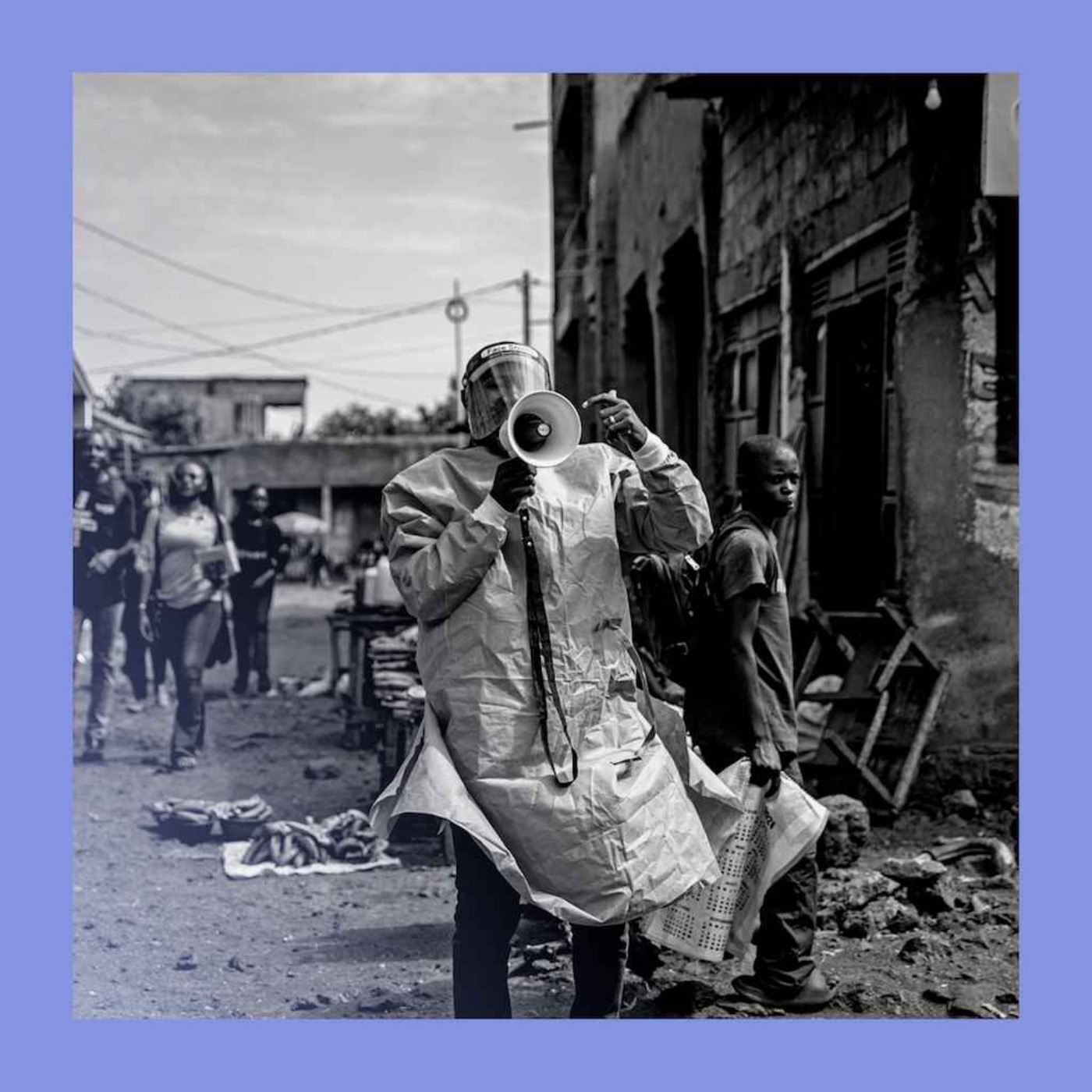
In Eastern Congo, a third of the population doesn't believe Ebola is real. This deep-seated distrust of authorities and NGOs—often seen as self-serving—leads to violence against health workers and rejection of crucial safety measures, hampering containment more than logistical or medical challenges.
Effective epidemic response requires a coordinated system across three areas: logistical field operations (testing, isolation), political will (funding, governance), and scientific innovation (vaccine development). A failure in any one of these distinct fronts cripples the entire effort to contain a disease outbreak.
Immunethep's initial plan for a universal vaccine targeting many bacteria hit a regulatory wall. Authorities required proof of efficacy for every single serotype, making the clinical trial "gigantic" and unfeasible. This forced a strategic pivot to more focused, single-family bacteria vaccines to create a viable path to market.