Get your free personalized podcast brief
We scan new podcasts and send you the top 5 insights daily.
Malaria expert James Tabenderana notes that research is adopted much faster when led by national researchers. In the Sahel, studies on malaria chemoprevention were quickly implemented because local researchers, with their existing trust and relationships with ministry of health officials, could effectively bridge the gap between evidence and policy.
Related Insights
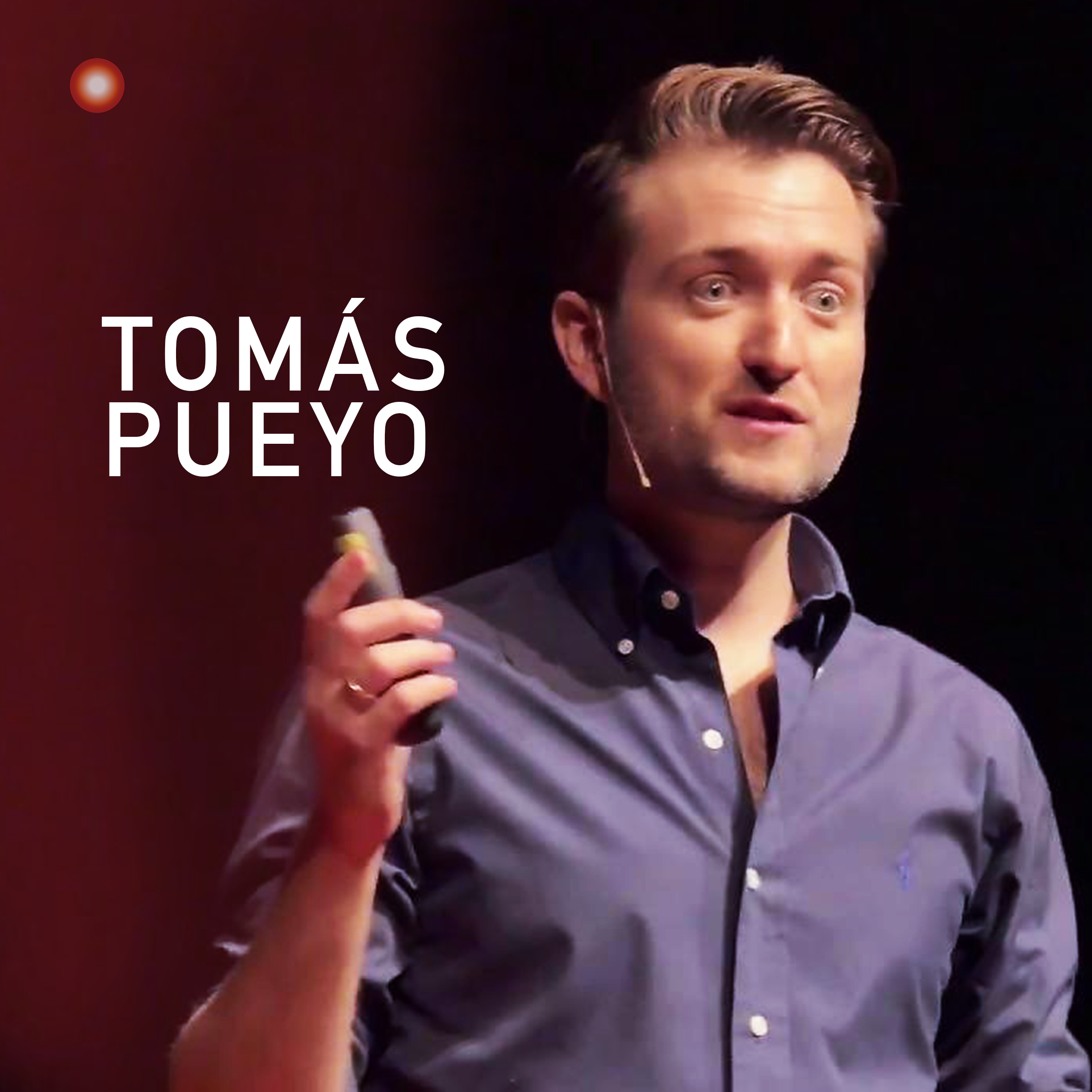
With just three weeks of intense, focused research on epidemiology, writer Tomás Pueyo became a key advisor to governments during the COVID-19 pandemic. His experience reveals that dedicated individuals reading primary sources can quickly surpass the knowledge available within official channels, exposing significant gaps in institutional expertise.
Policymakers struggle to apply academic findings because research doesn't specify how to translate evidence into procurement documents. An intermediary is needed to bridge this gap, acting as an in-house consultant to map research to actionable implementation plans for those writing contracts.

Alexander Berger argues that even by long-termist standards, "near-termist" work in global health is valuable. It builds crucial infrastructure—like policy advocacy experience, trusted grantee relationships, and feedback loops on what works—that can later be leveraged for long-termist goals like biosecurity, creating optionality and reducing risk for the overall portfolio.
To combat the bias of wanting to continue a program even when results are disappointing, Karen Levy advocates for "pre-policy plans." This involves getting all stakeholders (e.g., government, researchers) to agree in advance on the specific actions they will take based on different potential study outcomes, ensuring evidence-based decisions are made.
The true value of a Medical Science Liaison (MSL) lies in preparing the entire healthcare system for better care, not just educating individual physicians. This means focusing on systemic changes like improving diagnostic pathways or guideline implementation. Science is only powerful when it moves systems, not just conversations.

Widespread adoption of preventive health measures faces a major political hurdle. Politicians on four-year election cycles are incentivized to fund programs with immediate effects, rather than long-term prevention initiatives that may take 20-30 years to show results.
A successful research program requires deep integration with the clinical environment. By spending time with oncologists and nurses and joining tumor boards, scientists gain the necessary context to ask the most meaningful questions, bridging the gap between theoretical lab work and the reality of patient care.
An aid agency's budget is dwarfed by a host country's ministry spending. Therefore, instead of running parallel programs, the most impactful approach is "system strengthening": working directly with local government to integrate evidence and optimize how they allocate their own, much larger, budgets.
For academics in resource-constrained countries like Thailand, the motivation to launch a company isn't just commercial. It's a response to the 'impact gap,' where publicly-funded research ends in publications without creating tangible value, jobs, or solutions for the nation.

For any development problem, a program should either be based on strong existing evidence ("use it") or, if such evidence is absent, be designed as an experiment to generate new findings ("produce it"). This simple mantra avoids redundant research and ensures all spending either helps or learns.