Get your free personalized podcast brief
We scan new podcasts and send you the top 5 insights daily.
The creative industry is harming itself more through internal cynicism and inaction than from external threats like AI. Creatives spend too much time writing thought pieces about a perceived decline instead of actively making groundbreaking work.

Related Insights
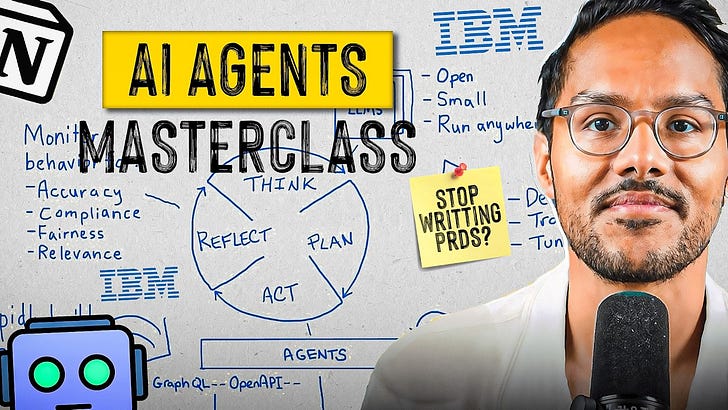
While AI tools once gave creators an edge, they now risk producing democratized, undifferentiated output. IBM's AI VP, who grew to 200k followers, now uses AI less. The new edge is spending more time on unique human thinking and using AI only for initial ideation, not final writing.
Like chess players who still compete despite AI's dominance, humans will continue practicing skills like writing or design even when AI is better. The fear that AI will make human skill obsolete misses the point. The intrinsic motivation comes from the journey of improvement and the act of creation itself.

Creativity isn't born from constant activity; it stems from boredom, curiosity, and the mental space to think. Over-scheduled and under-resourced marketing teams are deprived of this crucial "nothingness," forcing them to recycle old ideas instead of innovating.

Creativity thrives not from pressure, but from a culture of psychological safety where experimentation is encouraged. Great thinkers often need to "sit on" a brief for weeks to let ideas incubate. Forcing immediate output stifles breakthrough campaign thinking.
True creative mastery emerges from an unpredictable human process. AI can generate options quickly but bypasses this journey, losing the potential for inexplicable, last-minute genius that defines truly great work. It optimizes for speed at the cost of brilliance.
Venture capitalists calling creators "Luddite snooty critics" for their concerns about AI-generated content creates a hostile dynamic that could turn the entire creative industry against AI labs and their investors, hindering adoption.
The traditional client service model is flawed because it forces ambitious creatives to seek approval from clients who often have lower creative standards and care less about the outcome. This dynamic inherently limits the potential of the work.
The narrative that AI-driven free time will spur creativity is flawed. Evidence suggests more free time leads to increased digital addiction, anxiety, and poor health. The correct response to AI's rise is not deeper integration, but deliberate disconnection to preserve well-being and genuine creativity.
![Media M&A - [Business Breakdowns, EP.230] thumbnail](https://megaphone.imgix.net/podcasts/8404be2a-a3c6-11f0-9d01-7b00b28a9d50/image/9a48597af1149c3b024e8d2f7327aa89.jpg?ixlib=rails-4.3.1&max-w=3000&max-h=3000&fit=crop&auto=format,compress)
To lead in the age of AI, it's not enough to use new tools; you must intentionally disrupt your own effective habits. Force yourself to build, write, and communicate in new ways to truly understand the paradigm shift, even when your old methods still work well.
To build a sustainable career, creatives can't rely solely on external validation like sales or praise. Motivation must come from the intrinsic value found in the act of "making the thing." This internal focus is the only way to avoid an insatiable and unfulfilling need for approval.
