Get your free personalized podcast brief
We scan new podcasts and send you the top 5 insights daily.
Critics focusing on low social media engagement for The Free Press miss the point of its acquisition by Paramount. Its value lies in the high quality and monetization potential of its niche audience, which can be far greater than that of a larger, more passive, mass-market readership.

Related Insights
The pool of potential media buyers extends beyond traditional media. Any business paying a "toll" to Google or Facebook for customers is a strategic acquirer for a media asset that owns a direct audience in its niche. This reframes media M&A as a CAC-reduction strategy for non-media companies like Uber.
![Media M&A - [Business Breakdowns, EP.230] thumbnail](https://megaphone.imgix.net/podcasts/8404be2a-a3c6-11f0-9d01-7b00b28a9d50/image/9a48597af1149c3b024e8d2f7327aa89.jpg?ixlib=rails-4.3.1&max-w=3000&max-h=3000&fit=crop&auto=format,compress)
The intense bidding war for Warner Bros. Discovery is driven by unique strategic goals. Paramount seeks subscriber scale for survival, Netflix wants premium IP and sports rights, and Comcast primarily needs modern franchises like Harry Potter to fuel its profitable theme park business.

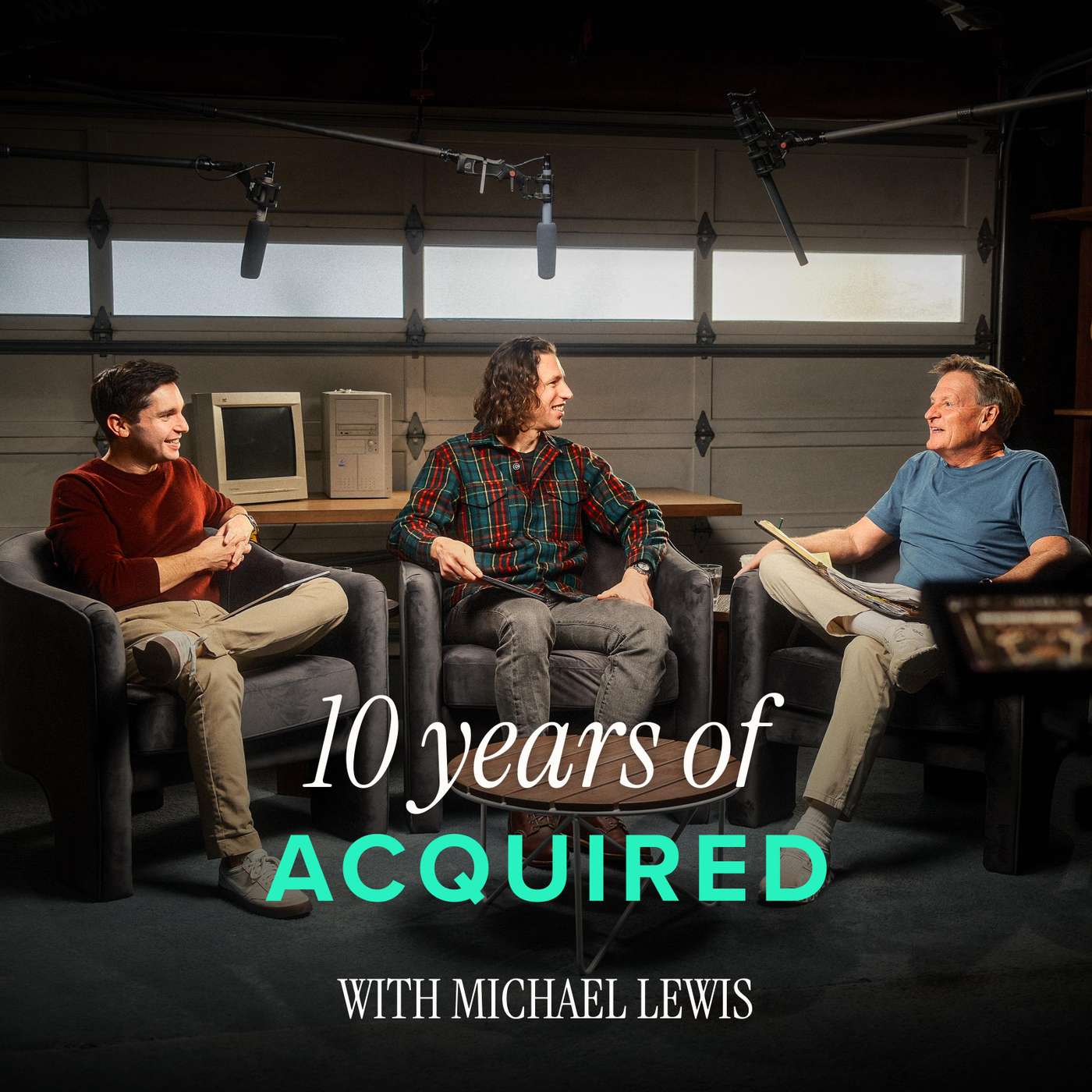
Episodes that underperformed with the general audience, like those on Nintendo or cricket, proved invaluable by attracting influential "superfans," including Meta executives and author Michael Lewis. This shows that catering to a passionate niche can yield more strategic value than broad, moderate appeal.
The public announcement to eliminate all ad revenue was a strategic marketing move. It sent a clear message to the market: if NBR relied 100% on subscriptions, the content must be exceptionally valuable and worth the high price point, reinforcing its premium positioning and justifying the cost.

The old investment banking model of mass-emailing a deal to many potential buyers is ineffective for media assets. Selling a media company now requires a custom, hands-on process targeting a handful of highly specific, strategic buyers, as the universe of potential acquirers has shrunk and their needs have changed.
Beyond marquee assets like Batman, large media mergers can unexpectedly highlight and politicize niche IP collections. The discussion identified Warner Bros.'s extensive library of 'masculine cinema,' including Clint Eastwood and Rambo films, as a culturally significant asset whose fate could become a surprising point of contention in a takeover.

To acquire a trade magazine, a marketing agency owner bypassed complex valuations. He calculated his own cost-per-subscriber for his newsletter, multiplied it by the size of the magazine's email list, and made an all-cash offer based on that simple, tangible metric.
The media landscape is not a zero-sum game. Specialized outlets can succeed by offering a distinct perspective that complements traditional investigative journalism. This provides consumers with a choice of narrative style and viewpoint, creating a healthier, more diverse ecosystem.

Massive M&A deals for legacy media are backward-looking financial transactions based on past earnings. The truly transformative acquisitions (like Facebook buying Instagram) are smaller, forward-looking bets on future trends like user-generated content.
The high-stakes bidding war for Warner Bros. is seen as driven by media executives' desire to reclaim the news cycle, which has been dominated by politics and AI. The acquisitions are a strategy for regaining cultural relevance as much as they are about business consolidation.
