Get your free personalized podcast brief
We scan new podcasts and send you the top 5 insights daily.
Africa's importance is primarily defined by its control over six key global maritime choke points, its projected 30% of the world's population by 2050, and vast natural resources. This elevates the continent to a central stage for great power competition beyond a narrow counter-terrorism focus.

Related Insights
Unlike the US, China expands its influence by offering to build highways, airports, and electrical grids for other nations. This 'soft power' approach, funded by a large trade surplus, has allowed it to gain significant control in regions like Africa without military intervention.

History demonstrates that dominance over seemingly mundane but critical resources is a foundational element of national power. The Roman Empire's control of salt and 19th-century America's pursuit of guano (bird fertilizer) laid the groundwork for their military and economic dominance.

Increasing global oil production is meaningless if the crude cannot be safely transported. The real challenge in modern energy conflicts is not total supply, but the logistical risk of moving it through contested chokepoints like the Strait of Hormuz, making transportation the primary driver of price instability.

The successful closure of the Strait of Hormuz, a critical global choke point, with relatively little military effort creates a permanent change in risk assessment. This 'black swan' event proves the vulnerability of global supply chains, forcing nations and companies to rethink and de-risk their long-term strategies, regardless of when the strait reopens.

As the US competes with China for access to critical minerals in Africa, a new dynamic is empowering host nations. This heightened competition is reportedly making China more agreeable to requests from African governments for local, value-adding processing facilities, a shift from the traditional model of only extracting and exporting raw materials.
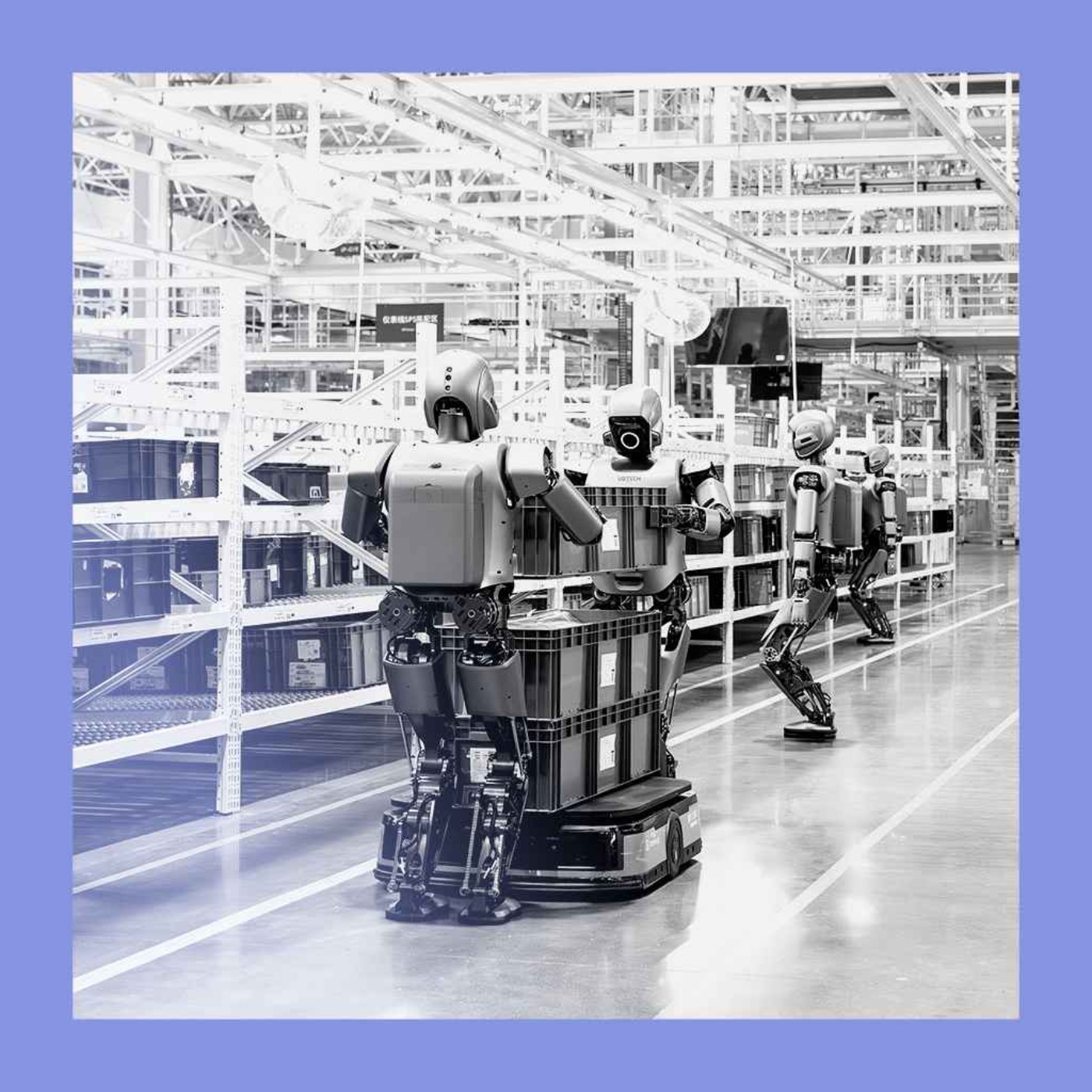
African nations possess the resources, labor, and political will to co-produce US defense systems. This creates an "alternate DIB" geographically closer to the Indo-Pacific than the continental US, offering a strategic advantage for distributed logistics and manufacturing in a major conflict.
Just like global shipping, the internet's physical infrastructure is concentrated in geographic chokepoints. The Red Sea and the Strait of Hormuz are critical corridors for data traffic between Asia and Europe, making them highly vulnerable to disruption by malicious actors.
The conflict highlights the immense strategic value of infrastructure that provides an alternative to the Strait of Hormuz chokepoint. Countries like Saudi Arabia with pipelines to the Red Sea are better insulated and may even profit, revealing a key geographical advantage over constrained nations like Qatar.
Assets like launch capabilities, energy access, or media influence may not generate strong cash flows but provide immense strategic leverage. In an era of competing power blocs, controlling these strategic assets is becoming more valuable than traditional financial metrics suggest, a shift that markets struggle to price.

The vulnerability of global shipping is escalating due to a confluence of four distinct dangers: advanced weaponry empowering regional actors like the Houthis, a general increase in regional wars, US-China tensions threatening superpower blockades, and climate change disrupting key canals and opening new Arctic routes.