Get your free personalized podcast brief
We scan new podcasts and send you the top 5 insights daily.
African nations possess the resources, labor, and political will to co-produce US defense systems. This creates an "alternate DIB" geographically closer to the Indo-Pacific than the continental US, offering a strategic advantage for distributed logistics and manufacturing in a major conflict.

Related Insights
Operating with just 0.1% of the defense budget and facing immense logistical challenges, AFRICOM has become an "experimentation theater." It pioneers remote advisory techniques, new technologies, and unconventional tactics that are combat-evaluated and then exported to better-resourced commands.
The push to build defense systems in America reveals that critical sub-components, like rocket motors or high-powered amplifiers, are no longer manufactured domestically at scale. This forces new defense companies to vertically integrate and build their own factories, essentially rebuilding parts of the industrial base themselves.

The US cannot win a manufacturing-based war of attrition against China. Instead of stockpiling existing weapons, the focus must shift to creating a defense industrial base that can rapidly adapt and circumvent new threats. This requires smart, targeted investments in flexible capabilities rather than sheer volume.

Massive backlogs for critical US military hardware are making America an unreliable supplier. This strategic vulnerability is pushing allied nations to develop their own defense industrial bases, creating a huge market for companies like Anduril that can co-develop and establish local production.

As the US competes with China for access to critical minerals in Africa, a new dynamic is empowering host nations. This heightened competition is reportedly making China more agreeable to requests from African governments for local, value-adding processing facilities, a shift from the traditional model of only extracting and exporting raw materials.
According to Terra Industries' founder, defense contracting in Africa is network-based and solution-first, not bureaucratic. This gives startups an edge over incumbents. Success comes from building a working product and conducting live field demos, bypassing the lengthy proposal processes common in the West.

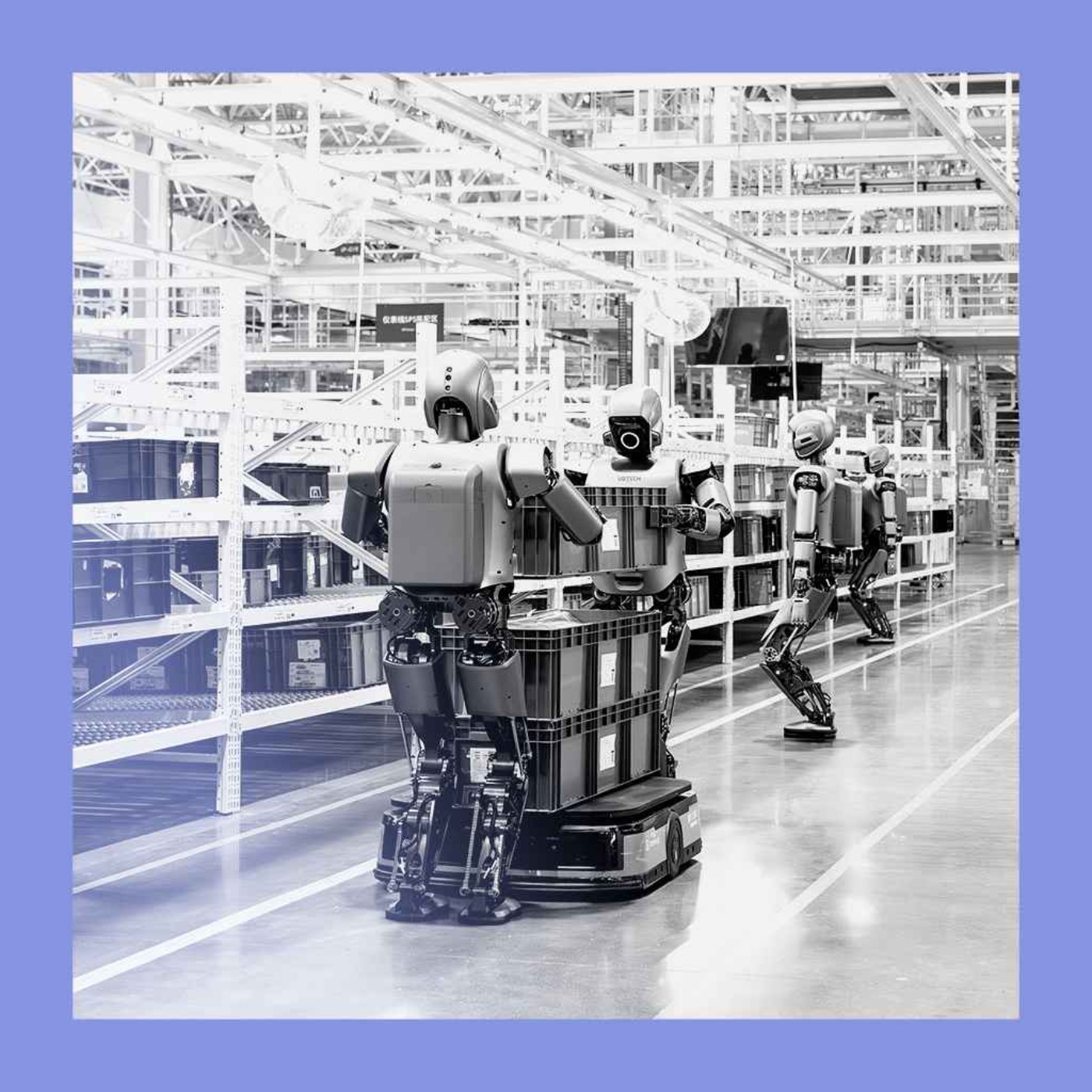
The decisive advantage in future conflicts will not be just technological superiority, but the ability to mass-produce weapons efficiently. After decades of offshoring manufacturing, re-industrializing the US to produce hardware at scale is Anduril's core strategic focus, viewing the factory itself as the ultimate weapon.
Defense tech startup Terra is building separate manufacturing hubs across Africa instead of a central one. This strategy is driven by the continent's diverse security challenges. Different regions require different hardware—like desert drones for West Africa versus maritime USVs for East Africa—making localized production and expertise essential.
Africa's importance is primarily defined by its control over six key global maritime choke points, its projected 30% of the world's population by 2050, and vast natural resources. This elevates the continent to a central stage for great power competition beyond a narrow counter-terrorism focus.
Countries are rapidly increasing defense spending due to global instability and the US's shifting role. Massive backlogs for US equipment, like a reported 15-year wait for Patriot missiles, are forcing allies to invest in domestic production and R&D for assured supply.