Get your free personalized podcast brief
We scan new podcasts and send you the top 5 insights daily.
The U.S. is shifting from multilateral institutions to direct financial action as a foreign policy tool. The unprecedented $20 billion bailout for Argentina, replacing the typical role of the IMF, demonstrates a new strategy of using America's financial might to directly support ideologically aligned foreign leaders.
Related Insights
The post-1980s neoliberal consensus of small government and free trade is being replaced by a mercantilist approach. Governments, particularly the U.S., now actively intervene to protect domestic industries and secure geopolitical strength, treating trade as a zero-sum game. This represents a fundamental economic shift for investors.

The U.S. Treasury's purchase of $2 billion in Argentine pesos before the election was more than a currency stabilization effort; it was a strategic political endorsement of President Malé that paid off. The move provided crucial support and, with the peso strengthening post-election, could even turn a profit for the U.S.

Unprecedented US financial support, likened to Draghi's "whatever it takes," has successfully created a circuit breaker for Argentina's negative market feedback loop. However, this support only addresses financial symptoms (FX and credit risk) and cannot solve the underlying political uncertainty about the government's ability to implement reforms.

The recent $20 billion U.S. Treasury support for Argentina was not a reactive bailout for a failing program. It was a pre-planned "big bazooka" to counter a politically-motivated speculative attack on the peso ahead of midterm elections, making it prohibitively expensive to bet against the country's stability.

US agencies and NATO fund a network of NGOs that act as a cohesive "swarm." This swarm delivers threats of political instability or economic ruin to foreign leaders, effectively coercing them to align with US interests without direct government intervention.

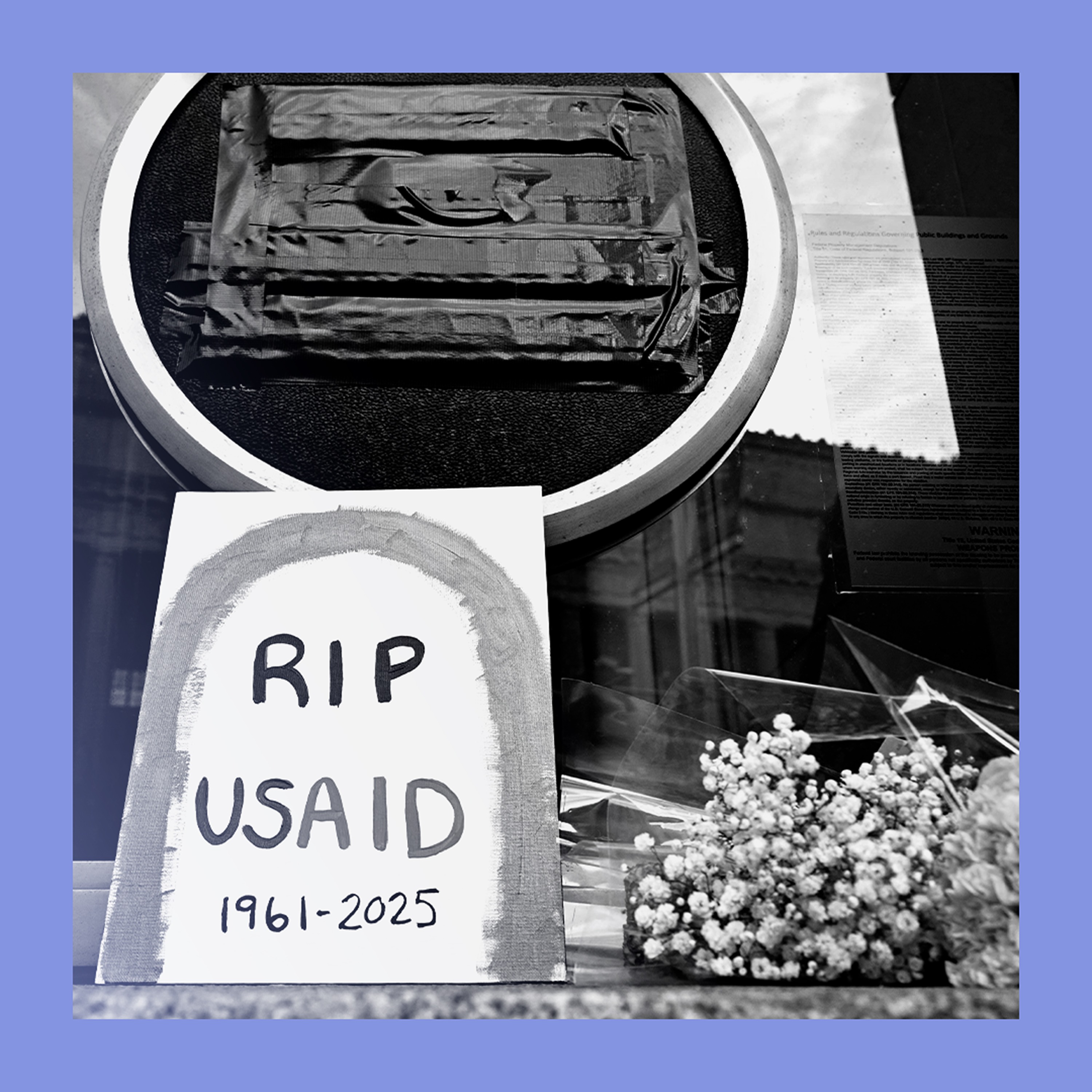
Despite dismantling traditional aid programs to save taxpayer money, Trump's new strategy of bailing out allies, countering China, and securing supply chains is projected to be incredibly expensive. This new approach of weaponized aid could ultimately exceed previous USAID spending levels, contradicting its cost-saving premise.
The Trump administration's influence over who leads the massive Fannie Mae/Freddie Mac IPO is a classic autocratic move. While punishing enemies is well-understood, just as crucial is over-rewarding allies, which consolidates power and creates an ecosystem of cronyism.

A new US national security document signals a radical foreign policy shift. It explicitly states the US will support "right wing, far right and populist right parties" in Europe that align with its anti-immigration stance, effectively interfering in the domestic politics of allied nations to promote a "MAGA like" Europe.
Unlike typical government welfare, aid money in Argentina, even from international sources, is channeled through Peronist party operatives who hand it out physically. This frames the aid as a personal gift from the party, creating a powerful system of dependency and political obligation.
Since the IMF's most critical decisions require an 85% supermajority vote, the United States' 17% quota share effectively grants it veto power. No major strategic decision can pass without U.S. approval, cementing its central role in global financial governance.