Get your free personalized podcast brief
We scan new podcasts and send you the top 5 insights daily.
Lenny Rachitsky's successful creator career wasn't on his list of post-Airbnb plans. He found it by following the "pull" of writing because he enjoyed it and people valued it, rather than forcing a startup idea that lacked natural traction.

Related Insights
A major risk for creators is turning a passion into a hated job by overcomplicating it with employees and commitments. Lenny Rachitsky intentionally avoids hiring full-time staff to keep his business simple and enjoyable.
True entrepreneurship often stems from a 'compulsion' to solve a problem, rather than a conscious decision to adopt a job title. This internal drive is what fuels founders through the difficult decisions, particularly when forced to choose between short-term financial engineering and long-term adherence to a mission of creating real value.

Author Ryan Holiday wrote an exposé on marketing, a topic he knew well but wasn't passionate about, as a strategic first step. This "transitional project" established his credibility and gave him the platform to later write about his true passion, Stoic philosophy, which publishers initially resisted.

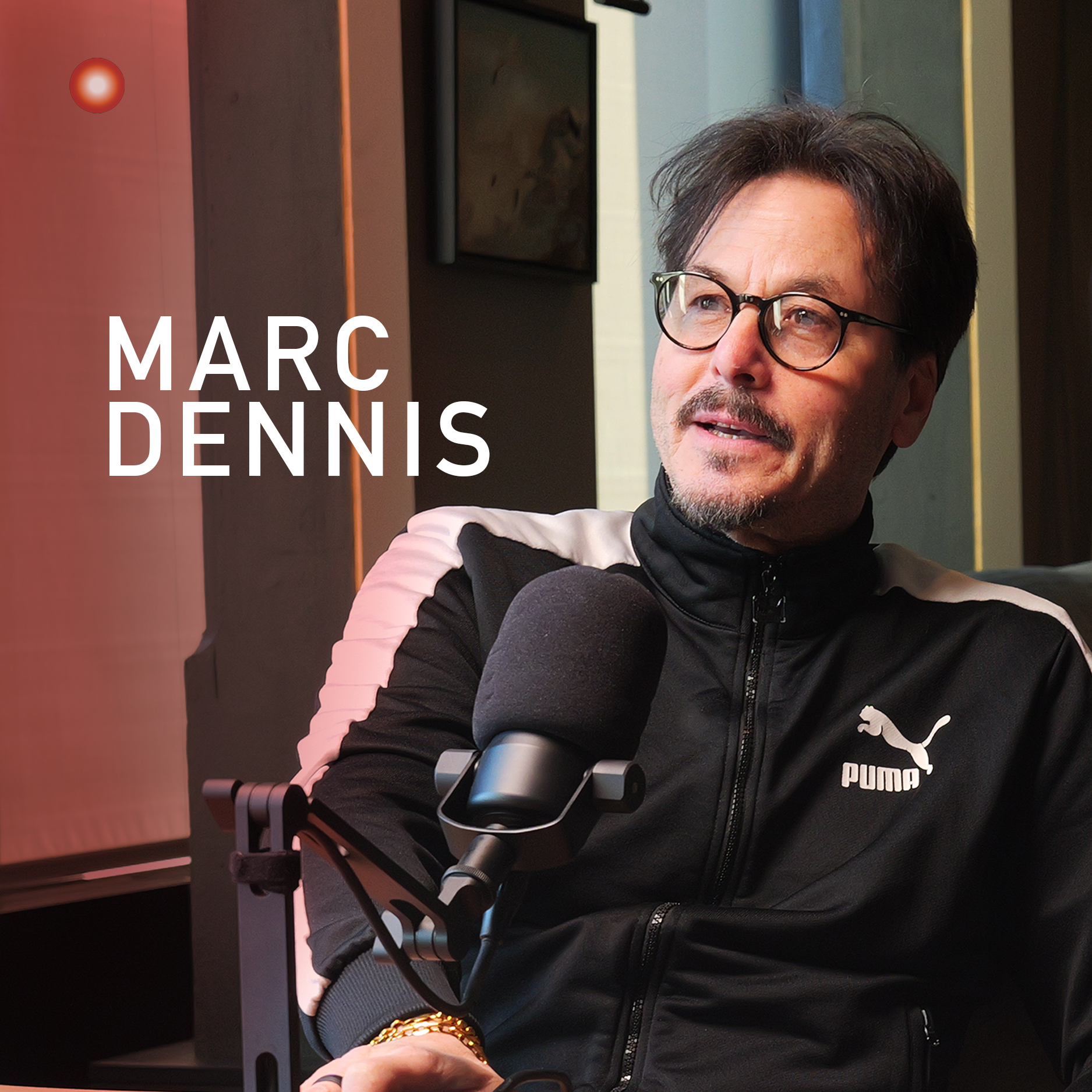
Artist Marc Dennis's career truly took off only after he resigned from a tenured professorship. By removing the security of a "Plan B" and going "all in" on being a full-time artist, he created the necessary pressure and focus to achieve breakthrough professional success.
Uber's CEO advises against overly detailed career plans, arguing they create confirmation bias and a lack of curiosity. People with rigid plans look for signals that validate their path and ignore unexpected opportunities. His advice: "Before you go out and try to change a world, let the world change you first."

Founders often need to shed the mindset instilled by traditional, prestigious careers. This involves questioning subconscious drivers like "what should I do?" and intentionally replacing them by surrounding yourself with people who have non-linear life paths and different value systems.

Many people find their calling not by pursuing a lifelong dream, but through a process of discernment. This involves engaging in new experiences, reflecting on what provides fulfillment, and then using those insights to inform the next step in a continuous cycle of trial and error.

Once a creator achieves significant success, the guiding metric for their career should shift from financial ROI to personal happiness. Engaging in activities you genuinely enjoy, even if they seem less profitable on paper, will fuel your energy and compound your success across all ventures in the long run.

The belief that you need a gatekeeper (like a hiring manager) to allow you to experience a potential career is outdated. With zero-cost content creation tools, you can start a podcast, blog, or video series in any field today to see if it truly interests you.
Instead of searching for a predefined passion, identify the topics you have an insatiable and uncontrollable curiosity about. This innate interest is the strongest signal of what your life's work could be, even if it seems unconventional.
