Get your free personalized podcast brief
We scan new podcasts and send you the top 5 insights daily.
Facing the 2008 crisis, the founders treated their inventory "like fruit that doesn't get better with age." They proactively sold excess stock to discount retailers, prioritizing immediate cash flow over concerns about brand dilution. This decisive action was critical to their survival.

Related Insights
Instead of being deterred by retailers saying "no," the Murray brothers used rejection as a signal to learn. They spent time in the stores that rejected them, doing tasks like stocking shelves, which allowed them to understand the business and earn the retailers' respect and eventual partnership.
The founders selected neckties for strategic business reasons beyond personal preference. Ties offered high profit margins, required no sizing (simplifying inventory), and took up minimal retail space, making them an ideal product for a self-funded startup with limited capital.
To identify their first retail targets, the founders analyzed the wholesale account lists published in the catalogs of similar, established brands. This scrappy tactic allowed them to efficiently find stores that were already proven to carry products appealing to their target customer.
The founders intentionally remained self-funded, believing that investor capital leads to wasteful spending. By staying "hungry," they forced themselves to operate efficiently, ensuring growth was driven by genuine customer demand rather than by a pressure to spend outside capital.
When Spinbrush's first units proved defective (with 400,000 in the warehouse), John Osher scrapped the entire inventory. He knew that for a consumable product, a bad first experience would be fatal, choosing long-term brand integrity over short-term financial recovery.
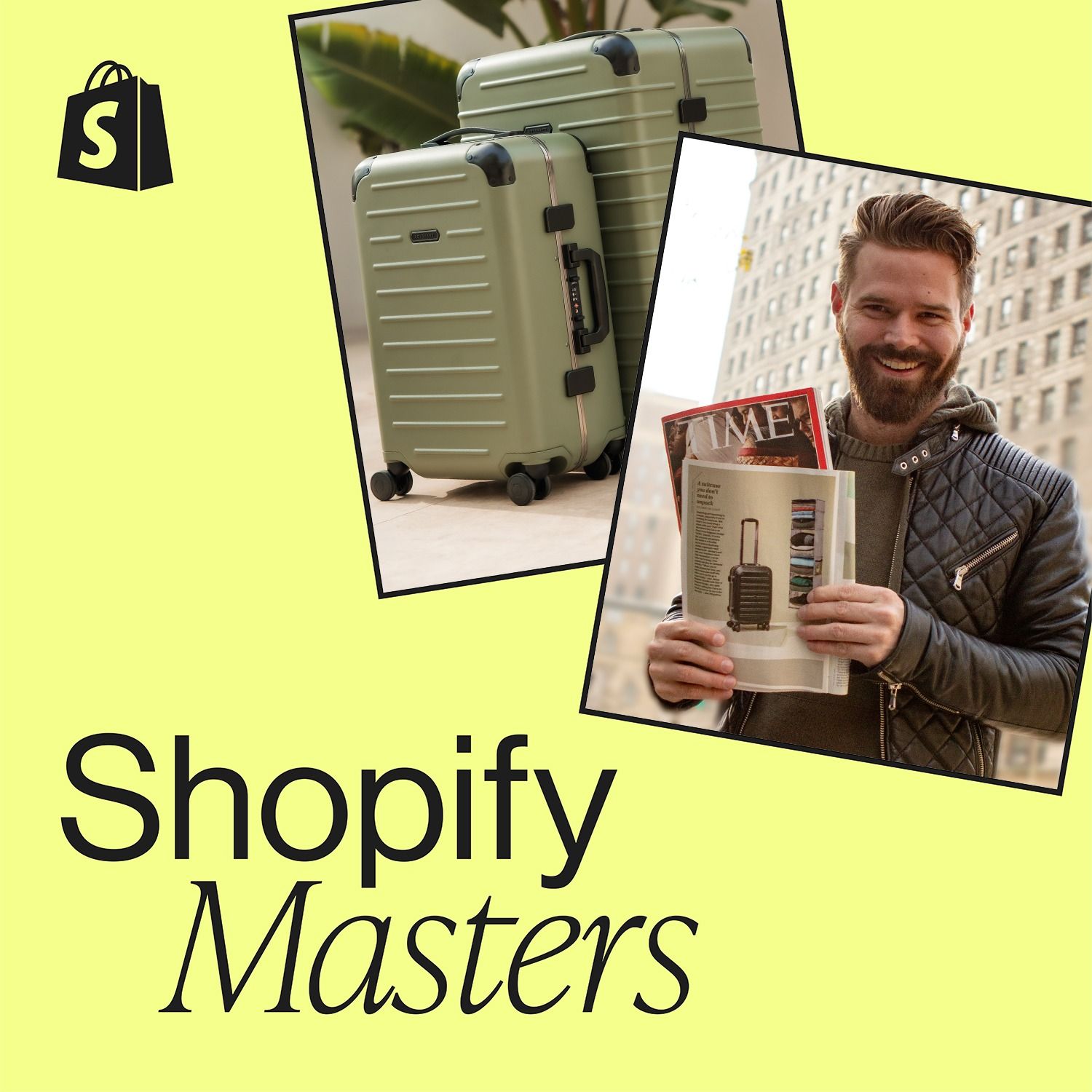
After a costly mistake left him with thousands of extra units, Solgaard's founder learned a key inventory lesson. He advises founders to avoid overly optimistic forecasting and go lean on inventory. Being slightly back-ordered is a better financial position than being overstocked with capital tied up in unsold goods.
In a market crisis, liquidating positions isn't just about stopping losses. It's a strategic choice to create a clean slate. This allows a firm to go on offense and deploy fresh capital into new, cheap opportunities once volatility subsides, while competitors are still nursing their old, underwater positions.

Founder Rose Blumpkin's bias for action meant responding to challenges with immediate, unconventional solutions. When shotguns weren't selling during the Depression, she rented them. When her store burned down, she held a massive "fire sale" the very next day amid the wreckage.

After facing rejection from boutiques, the founders sold directly to consumers at local holiday and school fairs. This strategy built a loyal customer base that then went into skeptical retail stores and requested Vineyard Vines products, effectively creating B2B demand from B2C sales.
Facing potential bankruptcy during the 2008 financial crisis, Chip and Joanna got scrappy. Joanna used vendor contacts to buy inventory and host one-day pop-up shops inside their active renovation projects. This tactic generated crucial cash flow, allowing them to pay off debts and survive the downturn.