Get your free personalized podcast brief
We scan new podcasts and send you the top 5 insights daily.
The founders selected neckties for strategic business reasons beyond personal preference. Ties offered high profit margins, required no sizing (simplifying inventory), and took up minimal retail space, making them an ideal product for a self-funded startup with limited capital.

Related Insights
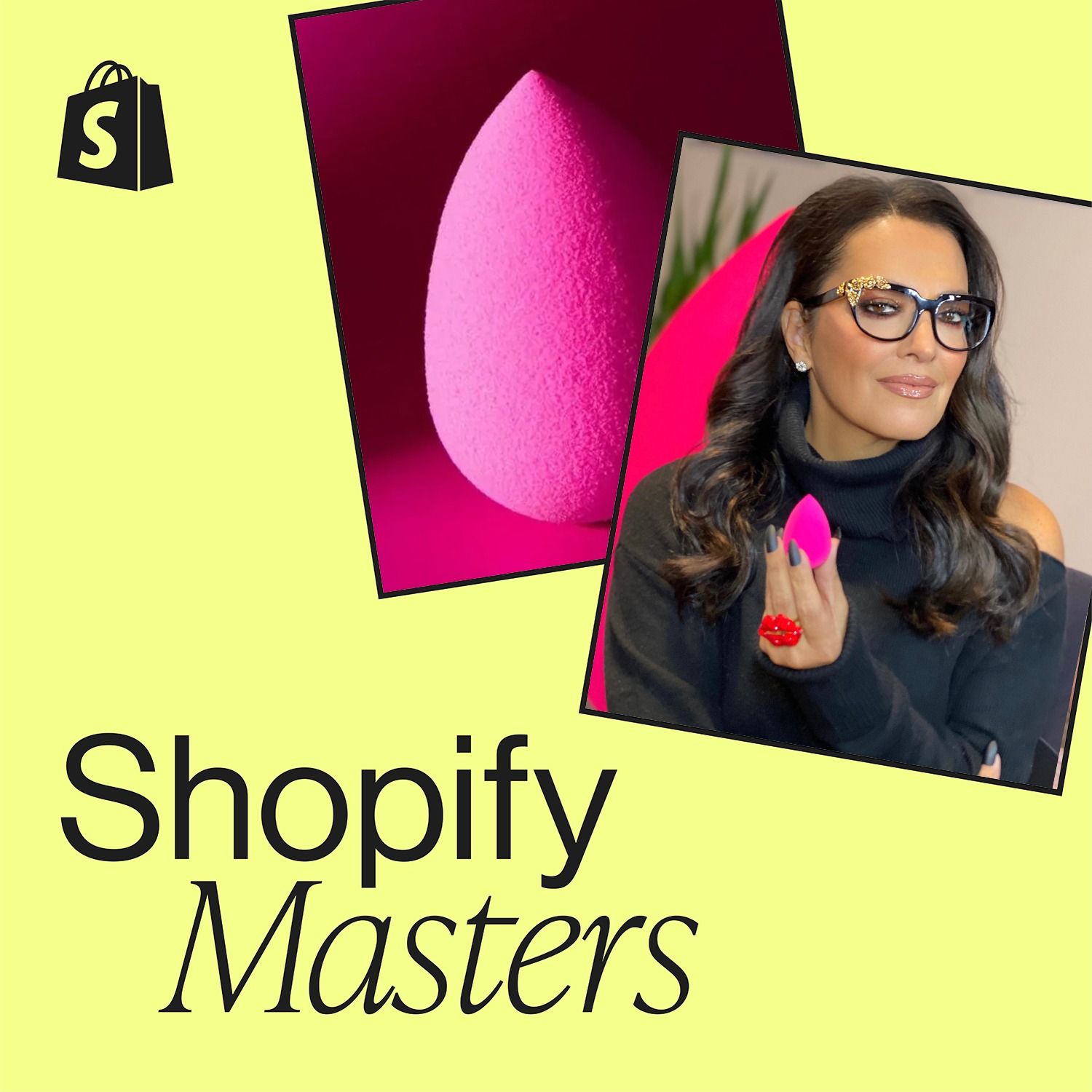
Unlike makeup brands with hundreds of SKUs, Beauty Blender launched with just one product. This simplicity made inventory management, financial commitments, and scaling into thousands of retail doors significantly easier and less capital-intensive for the self-funded company.
To avoid premature expansion, Vineyard Vines followed mentor advice to reach $5 million in sales from their core product (ties) before adding new categories. This disciplined approach ensured they mastered one market before diversifying, preventing the loss of focus common in new ventures.
Founders often mistakenly start with low-margin, mass-market products (the "save the whales" syndrome), which makes the business look damaged. A better strategy is to start at the high end with less price-sensitive customers. This builds a premium brand and generates the capital required to address the broader market later.

While still employed at an ad agency, the founders used the company's creative studio and befriended its graphic designers to create their initial tie patterns. This allowed them to develop their first product concepts with zero out-of-pocket cost before quitting to launch their venture.
To identify their first retail targets, the founders analyzed the wholesale account lists published in the catalogs of similar, established brands. This scrappy tactic allowed them to efficiently find stores that were already proven to carry products appealing to their target customer.
Give Hugs' founders intentionally self-funded their company to maintain full control over their mission. This prevented potential outside investors from compromising their integrity or forcing decisions that would dilute their commitment to product quality and charitable giving.

The founders intentionally remained self-funded, believing that investor capital leads to wasteful spending. By staying "hungry," they forced themselves to operate efficiently, ensuring growth was driven by genuine customer demand rather than by a pressure to spend outside capital.
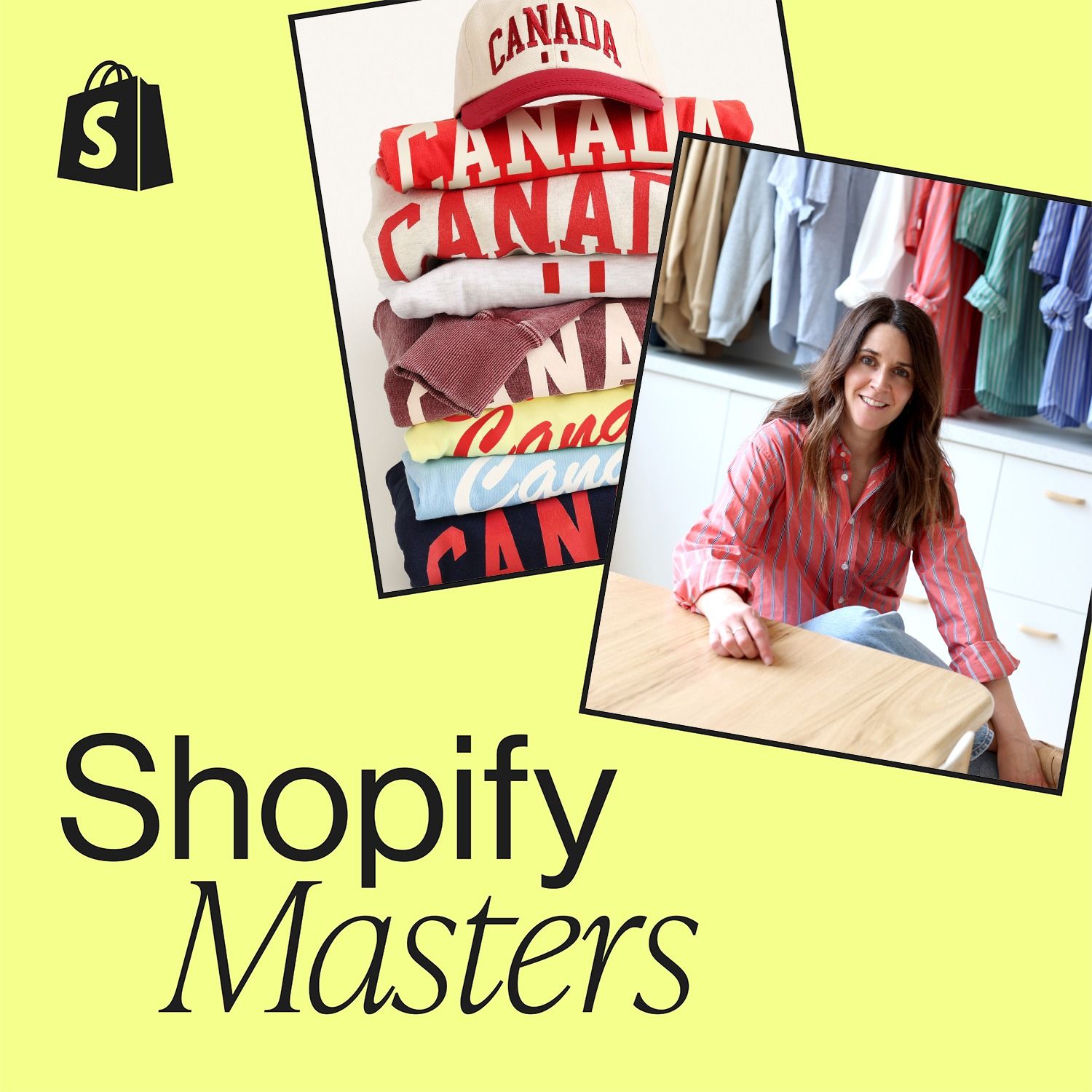
Province of Canada intentionally built an 'anti-fashion' brand by focusing on timeless basics rather than seasonal collections. This simplifies inventory, creates dependable products for customers, and allowed them to avoid the high-pressure, discount-driven wholesale cycle, leading to a more stable business.
Vineyard Vines entered the shrinking necktie market by creating a product that wasn't about function, but identity. The subtle motifs acted as a signal that the wearer was part of an "in the know group," creating a powerful sense of tribe and making the tie a desirable social object.
Starting with drop shipping proved the concept but offered unsustainable margins. The pivot to in-house apparel manufacturing unlocked significantly higher profits (from a £2 margin to £15). This allowed them to reinvest capital back into the business, fueling actual growth.