Get your free personalized podcast brief
We scan new podcasts and send you the top 5 insights daily.
Founder Rose Blumpkin's bias for action meant responding to challenges with immediate, unconventional solutions. When shotguns weren't selling during the Depression, she rented them. When her store burned down, she held a massive "fire sale" the very next day amid the wreckage.

Related Insights
A tornado destroyed a "Sound of Music" store (Best Buy's original name), forcing a massive, open-floor "Best Buy sale" to liquidate damaged inventory. This accidental format proved so successful that it became the foundation for the company's modern, customer-centric retail experience.

Instead of stocking every product variation, Sol Price's "intelligent loss of sales" system offered only the best-value item (e.g., one size of oil). This deliberately lost some customers but radically simplified inventory, labor, and checkout, creating an unbeatable cost advantage.
The best time to launch a company is at the bottom of a recession. Key inputs like talent and real estate are cheap, which enforces extreme financial discipline. If a business can survive this environment, it emerges as a lean, resilient "fighting machine" perfectly positioned to capture upside when the market recovers.

In the early days, Bernie Marcus would run after customers who left empty-handed. He'd ask what they were looking for, then drive to a competitor, buy the item, and deliver it personally. This was not just customer service; it was a real-time method for product and market discovery.
![Bernie Marcus: The Home Depot Story [Outliers] thumbnail](https://megaphone.imgix.net/podcasts/33f78974-da28-11f0-922d-8fedbd7bbd6a/image/459cd297fd865ff17e963c9052a0b228.png?ixlib=rails-4.3.1&max-w=3000&max-h=3000&fit=crop&auto=format,compress)
To access high-end inventory without capital, Baer convinced a rug dealer to use her staged homes as showrooms for his products. This consignment model provided her with free, premium inventory and generated direct sales for her partner, creating a win-win.

Launching during a downturn can be advantageous. With less competition, a compelling story can gain significant PR traction. Larroudé's founders leveraged the 2020 pandemic when other brands were silent, mirroring the retail boom that followed the 2008 crisis.

While competitors fired staff and cut advertising during recessions, Clayton Homes adopted the motto, "The country is in a recession and we have elected not to participate." By maintaining investment and playing offense, they captured significant market share and were positioned for recovery.
![Jim Clayton: Turning Competitors’ Mistakes Into $1.7B [Outliers] thumbnail](https://megaphone.imgix.net/podcasts/2a71345e-adb9-11f0-ae83-27d57f0d3d65/image/8982cc611441ae8952644f9fa63796c2.png?ixlib=rails-4.3.1&max-w=3000&max-h=3000&fit=crop&auto=format,compress)
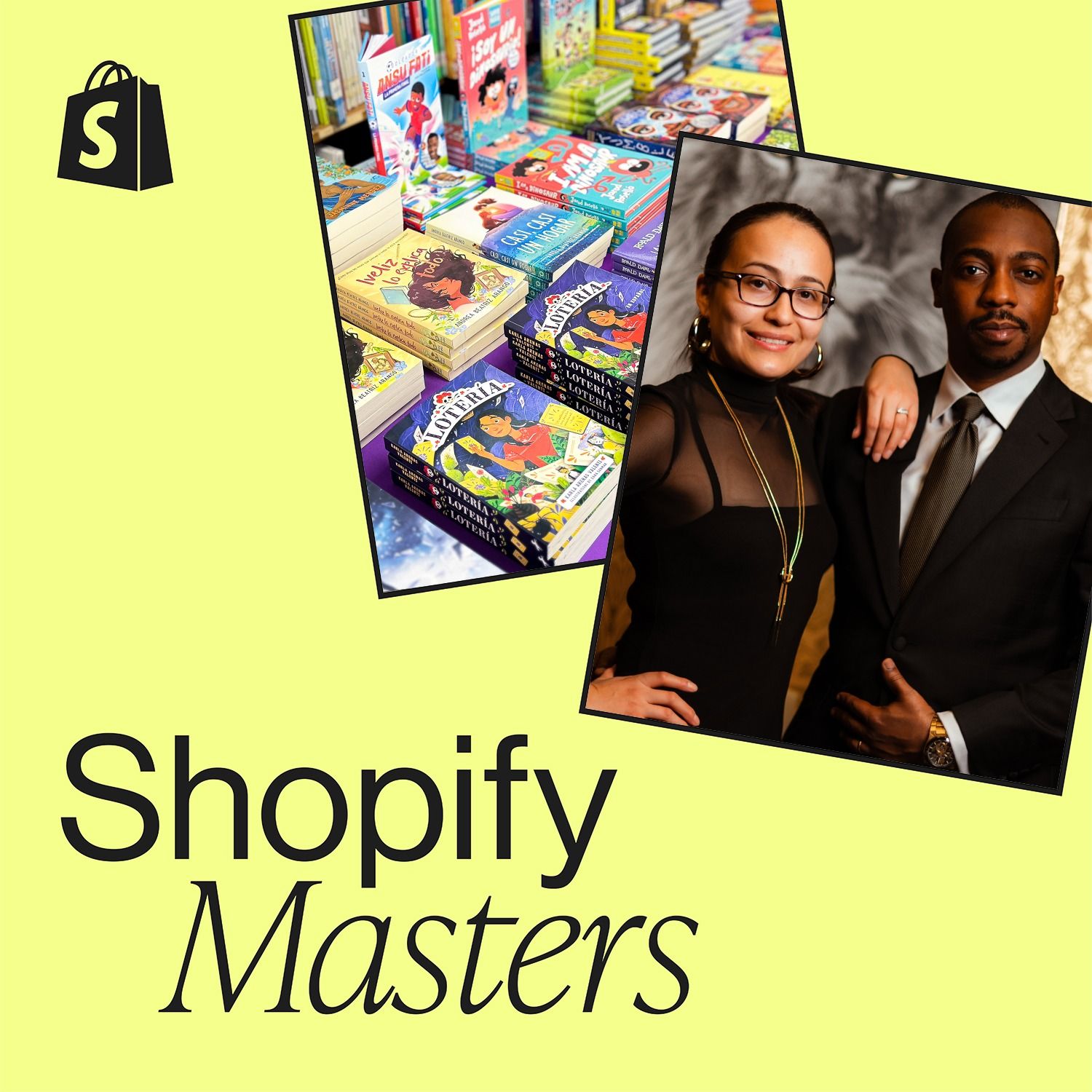
When Miha Books' operations broke—from an overflowing garage to a warehouse too small for their orders—the co-founder celebrated. He views these breaking points not as failures, but as positive indicators of growth. Each 'break' is simply the next problem to solve on the path to scaling the company.
Facing potential bankruptcy during the 2008 financial crisis, Chip and Joanna got scrappy. Joanna used vendor contacts to buy inventory and host one-day pop-up shops inside their active renovation projects. This tactic generated crucial cash flow, allowing them to pay off debts and survive the downturn.
Baer accidentally started her staging company using her personal furniture to decorate a friend's house for sale. This barter-like arrangement solved her immediate need for storage and a place to live, kickstarting an entirely new business model.