Get your free personalized podcast brief
We scan new podcasts and send you the top 5 insights daily.
Unlike the automotive industry where cars have standardized systems like CAN bus, forklifts lack internal standardization, even within the same model and year. This makes retrofitting for autonomy unreliable, forcing serious players like Victor Boyd's company to design and build their own forklifts from the ground up.

Related Insights
Applied Intuition uses the same fundamental software platform across cars, trucks, boats, and construction equipment. This is possible because all are machines interacting with the physical world governed by consistent laws of physics, enabling a scalable "Teslification" of multiple industrial sectors with a single core technology.
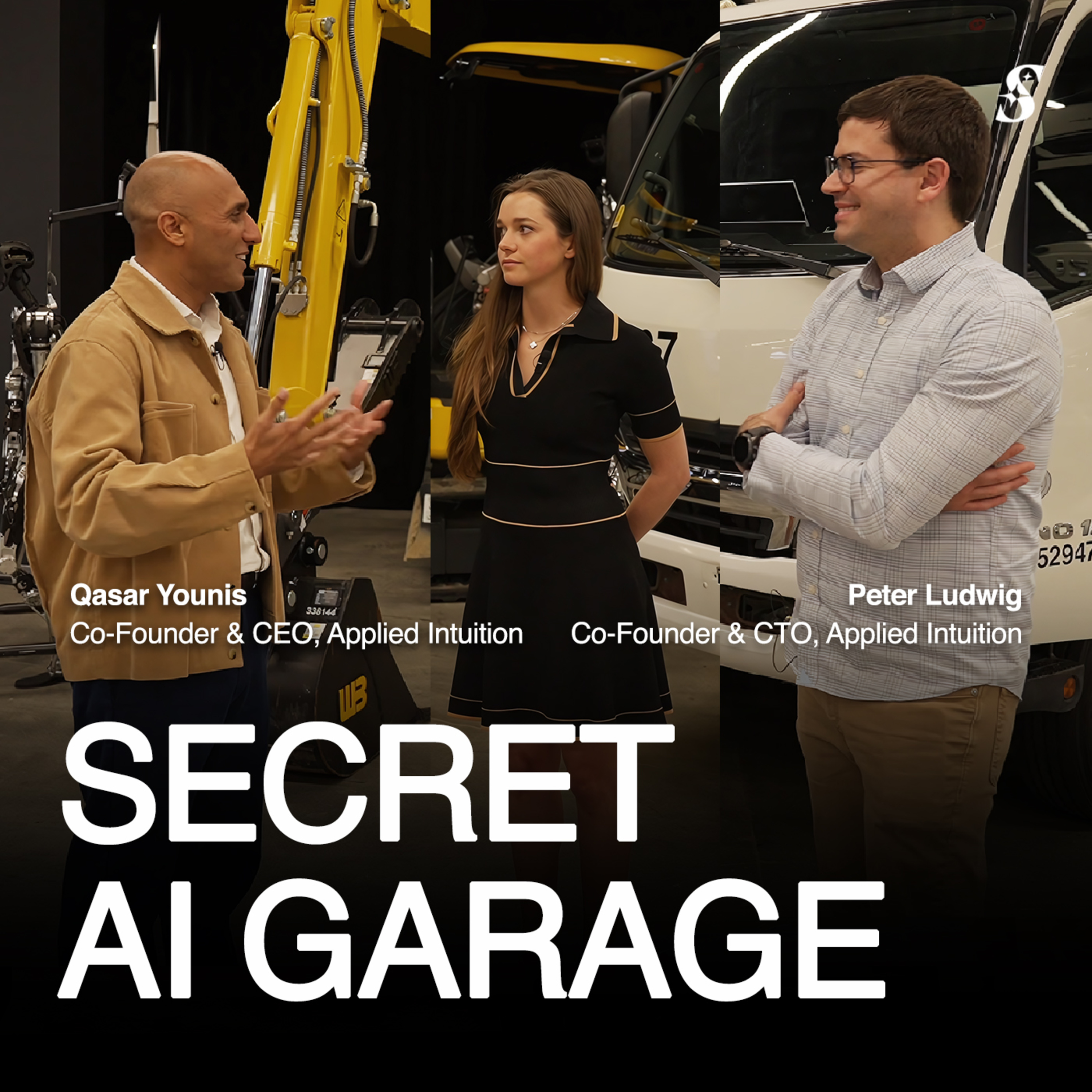
Successful "American Dynamism" companies de-risk hardware development by initially using off-the-shelf commodity components. Their unique value comes from pairing this accessible hardware with sophisticated, proprietary software for AI, computer vision, and autonomy. This approach lowers capital intensity and accelerates time-to-market compared to traditional hardware manufacturing.

Creating the Dot delivery robot wasn't just a hardware challenge. DoorDash had to build the vehicle hardware, a custom L4 autonomy software stack, integrate them, and then plug the entire system into its complex logistics and merchant platform—a multi-year, first-principles effort.

Gecko Robotics' strategy extends beyond its own hardware. The company is creating a "nervous system" – a data and application layer – to manage fleets of industrial robots from various manufacturers, aiming to orchestrate them to solve high-ROI problems like refinery maintenance.

Instead of building new autonomous vehicles from scratch, Bedrock Robotics develops technology to retrofit existing heavy machinery. This allows a contractor to turn their existing half-million-dollar Caterpillar excavator into an autonomous asset, a much more capital-efficient approach than replacing the entire fleet.

Waymo decouples major hardware and software upgrades. Its 6th generation platform introduces a new custom vehicle and a cheaper, simpler sensor stack, but runs the same proven 5th generation software. This "tick-tock" approach allows them to validate a new hardware platform while relying on a mature, generalizable software stack.

To achieve scalable autonomy, Flywheel AI avoids expensive, site-specific setups. Instead, they offer a valuable teleoperation service today. This service allows them to profitably collect the vast, diverse datasets required to train a generalizable autonomous system, mirroring Tesla's data collection strategy.

Traditional vehicles have complex, disparate wiring and compute systems. Applied Intuition first simplifies this into a centralized "one box" architecture, which is a necessary step before they can effectively deploy advanced autonomy and AI capabilities, much like developing apps for a modern smartphone.
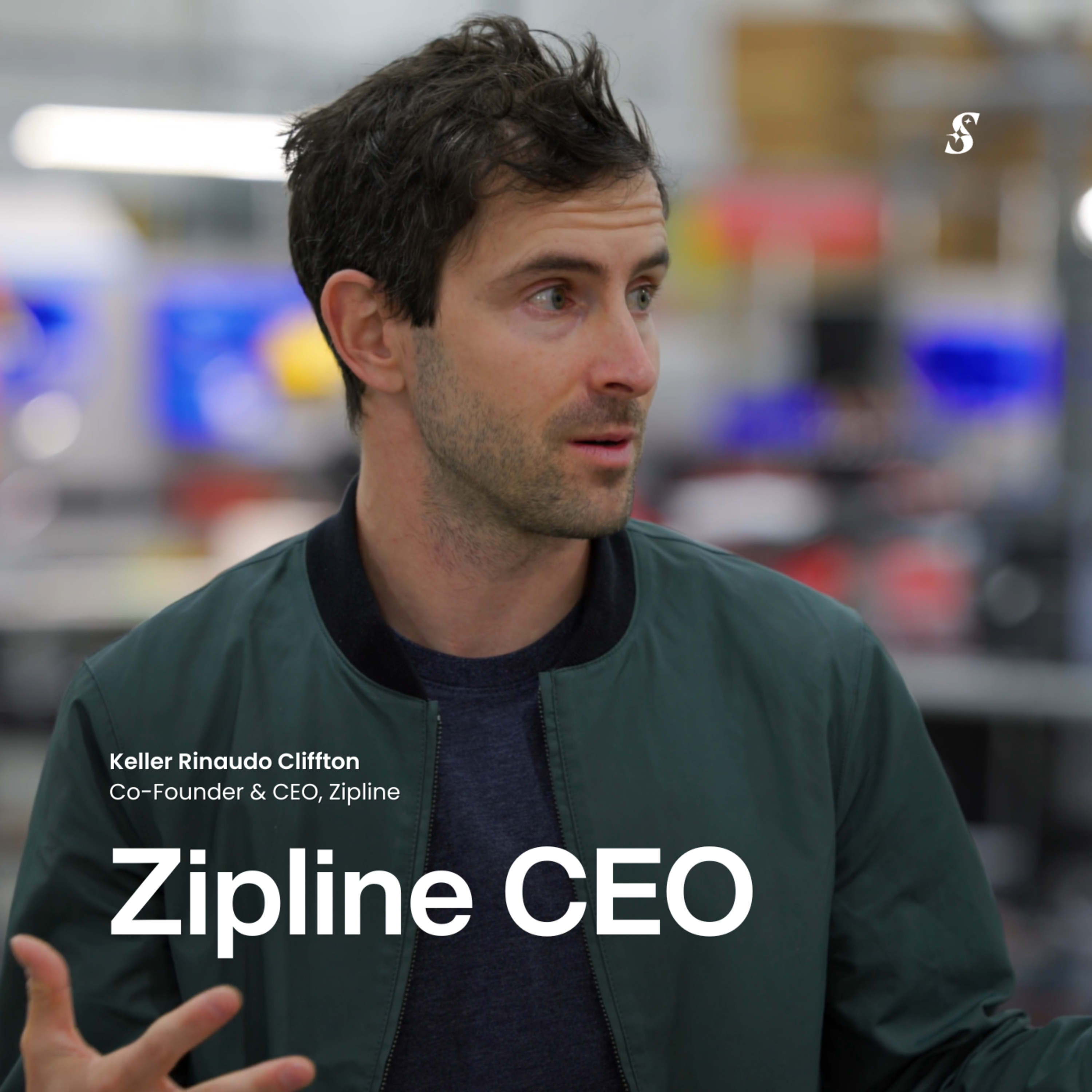
Zipline had to build its own components because the market only offered two extremes: cheap, unreliable consumer drone parts or prohibitively expensive military-grade systems. This "automotive grade" gap for reliable, cost-effective components forced them to vertically integrate to achieve their performance and cost goals.
General-purpose robotics lacks standardized interfaces between hardware, data, and AI. This makes a full-stack, in-house approach essential because the definition of 'good' for each component is constantly co-evolving. Partnering is difficult when your standard of quality is a moving target.
