Get your free personalized podcast brief
We scan new podcasts and send you the top 5 insights daily.
Infinimmune intentionally built a diverse investor base including tech-bio funds, traditional biotech VCs, and corporate venture arms like Merck and Regeneron. This diversity fosters a more "fulsome conversation" in the boardroom, allowing the company to analyze opportunities and challenges from multiple, complementary perspectives.

Related Insights
Base intentionally constructs its cap table with a mix of investor types: growth funds for pattern matching, sector funds for domain expertise, strategic partners for market access (e.g., homebuilders), and endowments for long-term stability. This turns the cap table into an active asset beyond just capital.

Effective boards are not just collections of supporters. Founders should strategically recruit members with specific expertise they lack—such as legal, finance, or late-stage R&D. This creates a complementary team to navigate diverse challenges, provided everyone is fundamentally aligned with the company's ultimate vision.

Factory intentionally brought in investors like JPMorgan, Microsoft, and NVIDIA. This group not only provides capital but serves as a powerful signal, embodying the product's wide-ranging utility across the entire tech stack, from GPUs to enterprise applications.

Instead of hiring for cultural fit and consensus, build a team with different prejudices, biases, and experiences. This creates a "positive tension" where diverse viewpoints push the discussion, challenge assumptions, and ultimately lead to better, more robust investment decisions. The ideal answer is often found in the middle.

A finance background in a science-heavy VC can be an asset. It forces a focus on translating complex science for investors and enables a higher-level perspective on portfolio construction. This helps avoid 'falling in love with the science' and prevents over-concentration in hot areas, ensuring a balanced fund.

An experienced biotech CEO reveals a cynical but practical truth: the baseline for a good board is one that simply isn't destructive and doesn't make the CEO's job harder. New leaders should prioritize building a board with supportive, independent members who offer more than just investment capital, as investor-heavy boards can lack a company-first perspective.

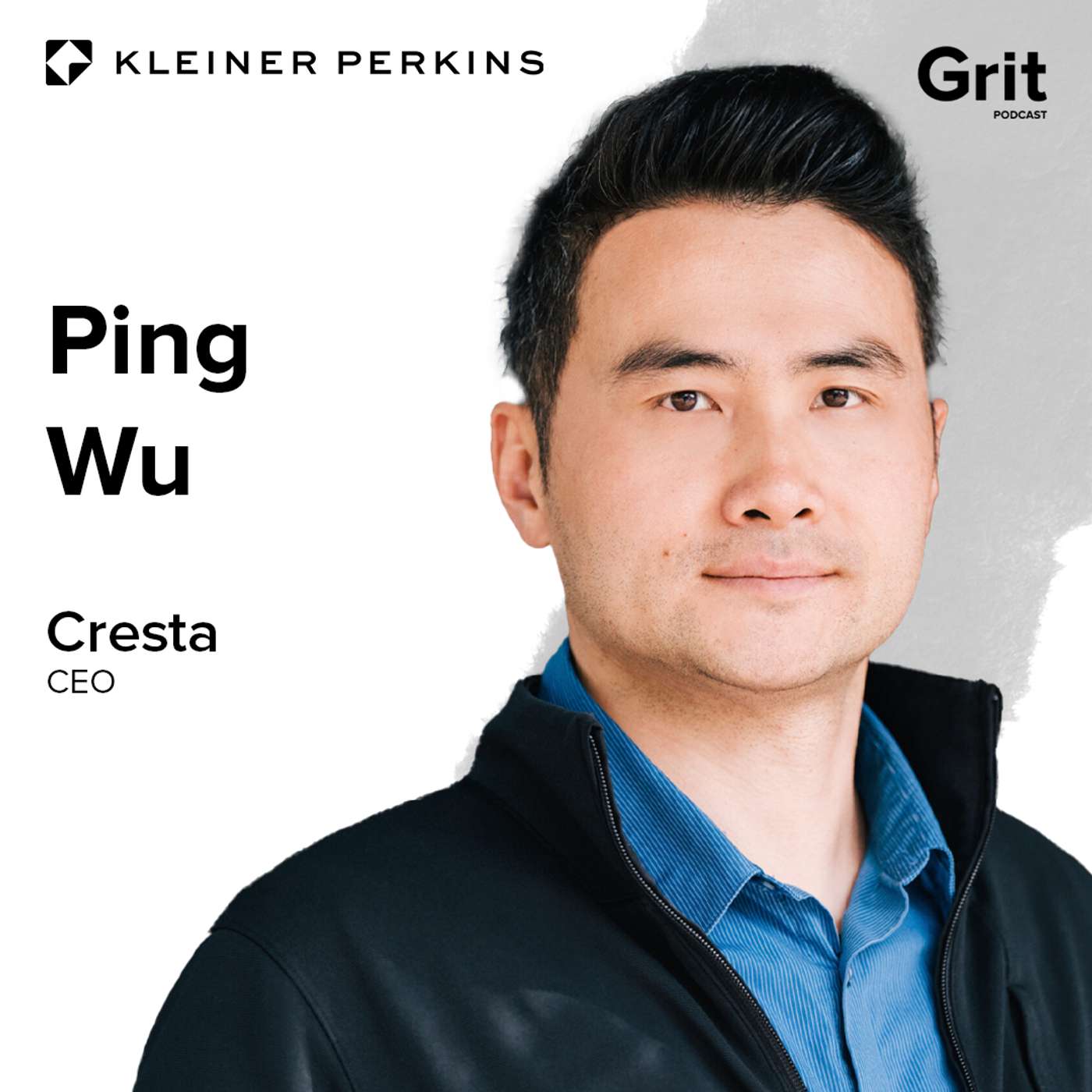
Ping Wu details how he leverages his board: he consults Doug Leone on SaaS company-building patterns, Sebastian Thrun on long-term AI trends, and former member Carl Eschenbach on go-to-market operations. This demonstrates a strategic approach to extracting maximum value from a diverse board.
The founder methodically chose investors not just for capital, but for the unique attributes they brought. For example, some provided biz-dev meetings, others offered enterprise expertise, and some brought deep industry connections. This turned the cap table into an active business-building asset.

Resolution Therapeutics' CEO builds his team with leaders from varied backgrounds across different diseases and drug modalities. He believes this diversity creates more robust problem-solving, as challenges that are novel in one area may have been solved in another, enabling faster and more informed decisions.

Forbion's success stems from its diverse team, which goes beyond typical MDs and PhDs. By integrating partners with backgrounds in banking, physics, and finance, the firm evaluates deals holistically—assessing not just the science but also deal structures, risk mitigation, and exit strategies like M&A and IPOs.