Get your free personalized podcast brief
We scan new podcasts and send you the top 5 insights daily.
The founder methodically chose investors not just for capital, but for the unique attributes they brought. For example, some provided biz-dev meetings, others offered enterprise expertise, and some brought deep industry connections. This turned the cap table into an active business-building asset.

Related Insights
Base intentionally constructs its cap table with a mix of investor types: growth funds for pattern matching, sector funds for domain expertise, strategic partners for market access (e.g., homebuilders), and endowments for long-term stability. This turns the cap table into an active asset beyond just capital.

When capitalizing your business, select investors for their experience, not just their money. Prioritize people who have a history of successful exits. They provide a proven playbook you can model your business against and, as partners on your cap table, their strategic influence is critical to your journey.

Value-add isn't a pitch deck slide. Truly helpful investors are either former operators who can empathize with the 0-to-1 struggle, or they actively help you get your first customers. They are the first call in a crisis or the ones who will vouch for you on a reference call when you have no other credibility.

When fundraising, the most critical choice isn't the VC fund's brand but the specific partner who will join the board. Sophisticated founders vet the individual's strengths, weaknesses, and working style, as that person has a more direct impact on the company than the firm's logo on a term sheet.
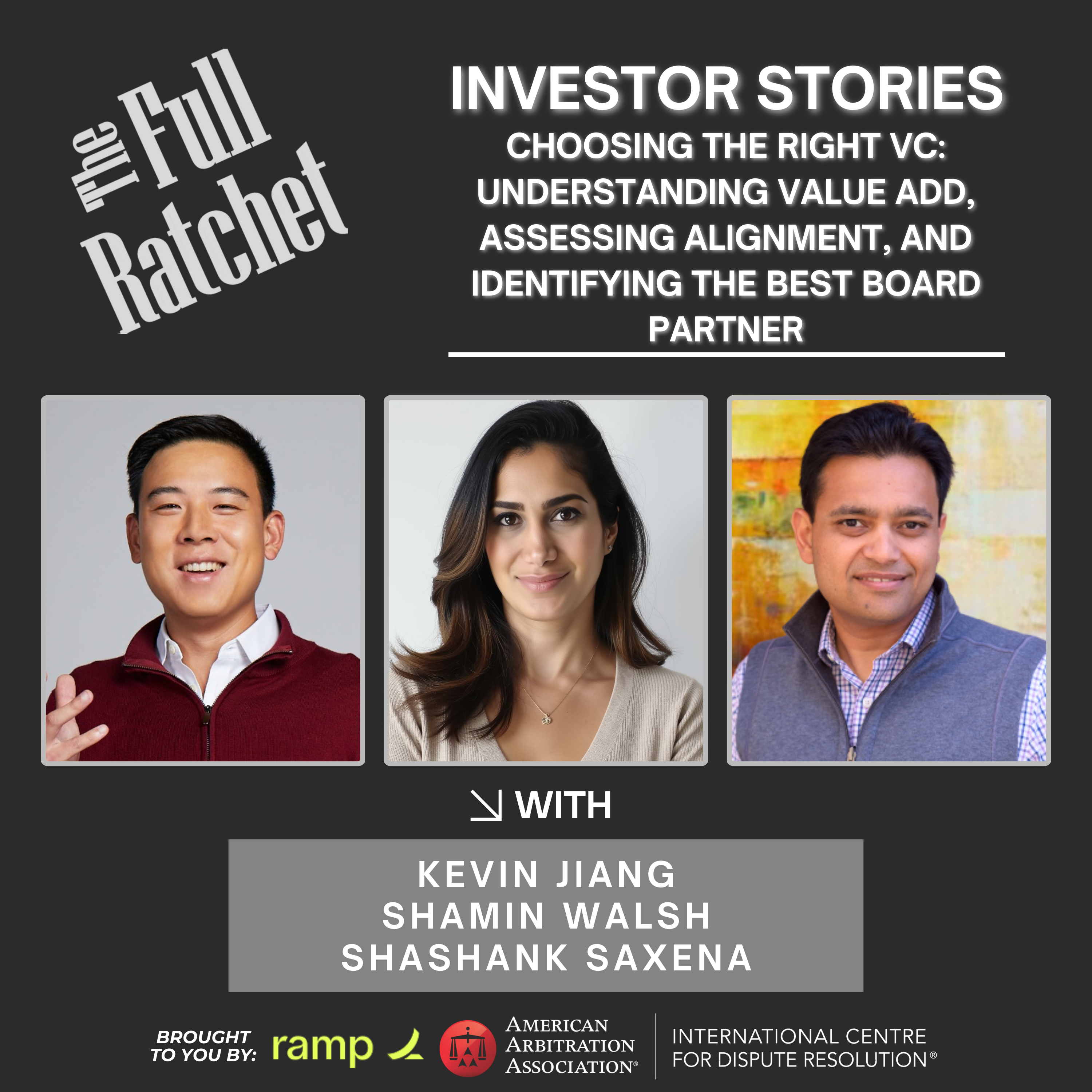
Instead of traditional pitching, TurboPuffer's CEO maintains a spreadsheet ranking potential investors on a 'tier list.' VCs earn their spot on the cap table by providing tangible value—like customer intros or strategic advice—long before a deal is discussed. This value-first approach ensures the cap table is composed of active partners.

Non-strategic capital is just a transaction. A strategic investor, however, becomes a partner who can accelerate growth through their network, expertise, and credibility. This alignment is critical because bringing on an investor is like a marriage; they must add more value than just their check.

Rockefeller used his company's stock as a strategic weapon beyond just fundraising. He granted cheap shares to influential bankers to secure favorable loan terms for himself while simultaneously blocking competitors' access to capital, transforming his cap table into a tool for building a network of secret, financially-aligned allies.
Instead of optimizing for valuation or firm prestige, Railway strategically chooses venture partners based on the most pressing challenge at each stage. This turns fundraising into an opportunity to buy an 'unfair advantage' in areas like scaling operations or entering the enterprise market.

Fathom intentionally raised its first $10M from ~100 different angel investors in multiple small rounds. The goal was less about the money and more about building a coalition. He strategically targeted investors who could provide access to key ecosystems (like Zoom) or expertise (like enterprise sales), using equity as a currency for influence.

In a market where capital is a commodity, early-stage founders prioritize VCs who provide an immediate, tangible edge. The most valuable contributions are warm introductions to land first customers, network access to secure the next round of funding, and unfiltered feedback from experienced operators.
