Get your free personalized podcast brief
We scan new podcasts and send you the top 5 insights daily.
Struggling to pass final-round FANG interviews, Gabor Meyer hired a coach. Unable to afford the full fee, he negotiated a performance-based deal: half the price if he failed, but double if he succeeded. This high-stakes investment forced extreme focus and ultimately paid off.
Related Insights
To secure a key engineer, a founder offered an "uncomfortably large" severance package. This created a mutual incentive to "fix" any problems rather than part ways, aligning the founder's risk with the employee's and fostering a co-founder-like commitment.

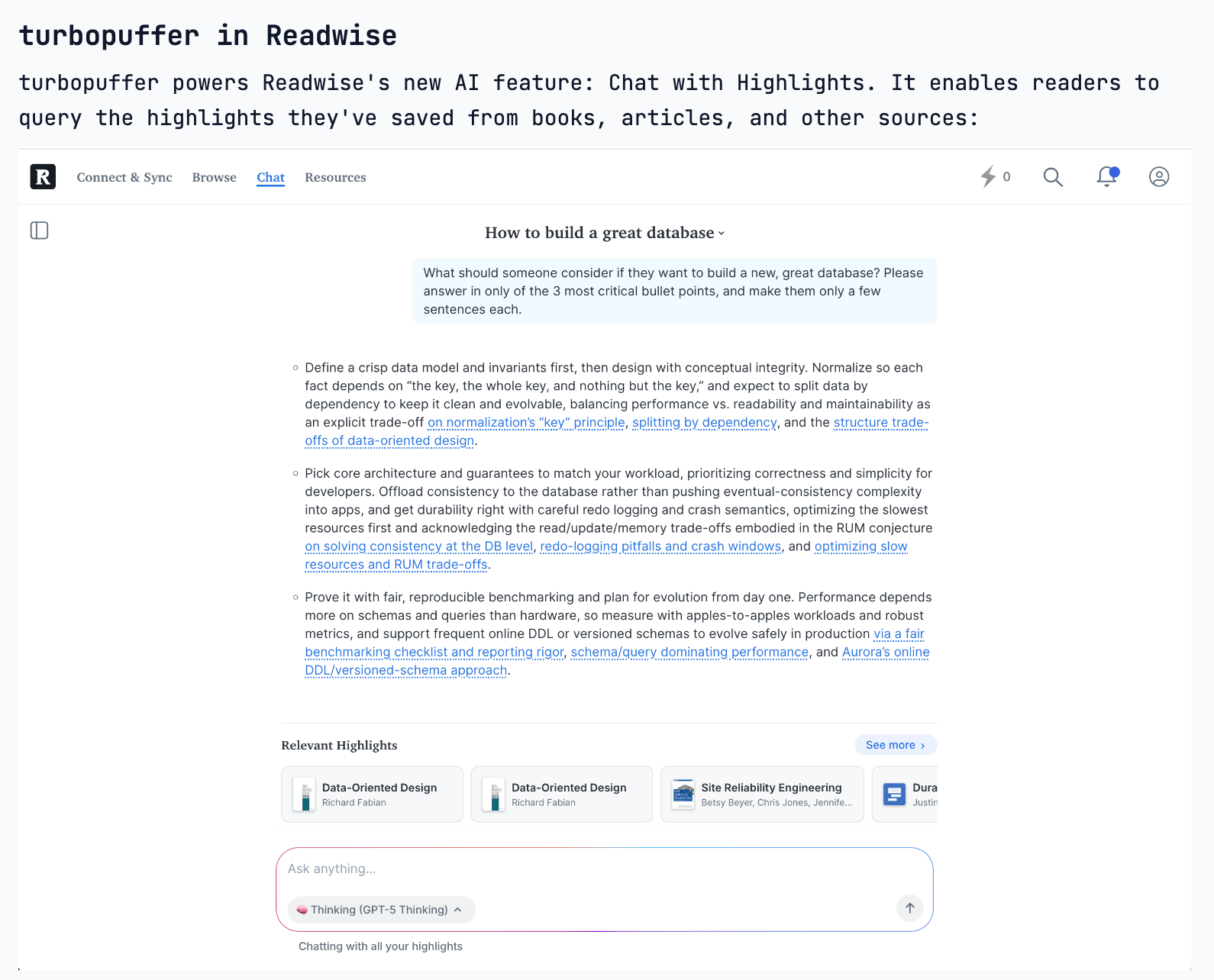
To maintain an exceptionally high talent density, Turbopuffer's hiring process defaults to rejecting a candidate. An offer is only considered if at least one interviewer is willing to passionately "fight" for them, shifting the burden of proof from "why not hire" to "why we must hire."
To avoid hypothetical interview questions, Zipline makes its hiring process as applied as possible. This includes pair programming, collaborative design sessions, and even offering paid 1-2 week work trials. This "work together" approach quickly reveals a candidate's true fit and capabilities.

Fuse has no compensation bands. Instead, candidates are graded on specific skills during interviews, and the final grade directly determines the offer amount. An exceptional "straight A" candidate receives a "no-brainer" offer far above market rate to ensure they accept and stay.

Despite receiving hundreds of online applications for a single role, the majority of candidates ultimately hired at competitive companies like Google already have a connection inside the organization. This highlights that building a professional network to secure internal advocates is more critical for job seekers than simply optimizing a resume.

Ryan Peterman, who became a top engineer at Instagram, initially failed his Facebook interview. The interviewer ended it early, stating he wasn't good enough. This demonstrates that a single, high-stakes interview performance is a poor predictor of long-term career success and resilience.

Don't anchor your value to your resume. Instead, use the interview process to diagnose the company's biggest pains. Then, position yourself as the unique solution to those problems, justifying compensation above standard bands.

To land a role at his target company, which repeatedly said he was too inexperienced, Jubin secured 16 other job offers. He then sent each offer letter to the hiring manager as proof of his value, a persistent and unconventional strategy that ultimately succeeded in getting him hired.

Free advice is often ignored. The act of paying for a mentor—the transaction itself—creates a powerful commitment mechanism. This financial investment ensures you value the guidance, pay attention, and are more likely to implement it, dramatically accelerating your progress and helping you avoid costly mistakes.

A truly great employee is 10 to 100 times more valuable than an average one, but they will never cost 10 to 100 times more in salary. This massive gap represents one of the biggest arbitrages in business. The entire game is to find these individuals and pay the premium without hesitation.
