Get your free personalized podcast brief
We scan new podcasts and send you the top 5 insights daily.
Leonard Mazur's entry into the pharmaceutical industry was not a planned career path but a "random walk." He was drawn to a pharmaceutical sales job ad in the newspaper due to perks like a company car, demonstrating that significant careers can begin with opportunistic choices rather than a grand vision.

Related Insights
Robert Solow's path to economics wasn't a lifelong passion. After WWII, he chose the major on a whim after his wife said she found it interesting. This illustrates that profound careers can emerge from serendipity and curiosity rather than a grand, predetermined plan.

Uber's CEO advises against overly detailed career plans, arguing they create confirmation bias and a lack of curiosity. People with rigid plans look for signals that validate their path and ignore unexpected opportunities. His advice: "Before you go out and try to change a world, let the world change you first."

Daniel Lowther's journey from an autoimmunity PhD to a biomarkers director at GSK wasn't linear. He advanced by opportunistically moving into adjacent fields like brain cancer, self-taught coding, and even IT, proving a winding path can build a uniquely diverse and valuable skill set.

Starting in business development at a large firm like Genentech provides a holistic understanding of the entire drug lifecycle—from discovery and regulation to clinical trials and marketing. This "full spectrum" view offers invaluable training for a future CEO.
Jared Bauer discovered his first turnaround opportunity not through formal channels, but by overhearing frustrated investors discussing a failing company while attending a college basketball game. This highlights the value of serendipity and being alert to opportunities everywhere.

Adam Rogers became CEO of his first company, Hemera, not because he aspired to the title, but because he was the most committed person to drive the project forward. This shows how leadership can emerge organically from dedication and necessity in an early-stage venture, rather than a pre-defined career path.
Reid's career in biotech was catalyzed by two small but direct interventions: his physician grandfather handed him "The Double Helix," and his father insisted he explore the nascent field of biotechnology. It shows how seemingly minor personal suggestions can fundamentally alter a young person's professional trajectory.

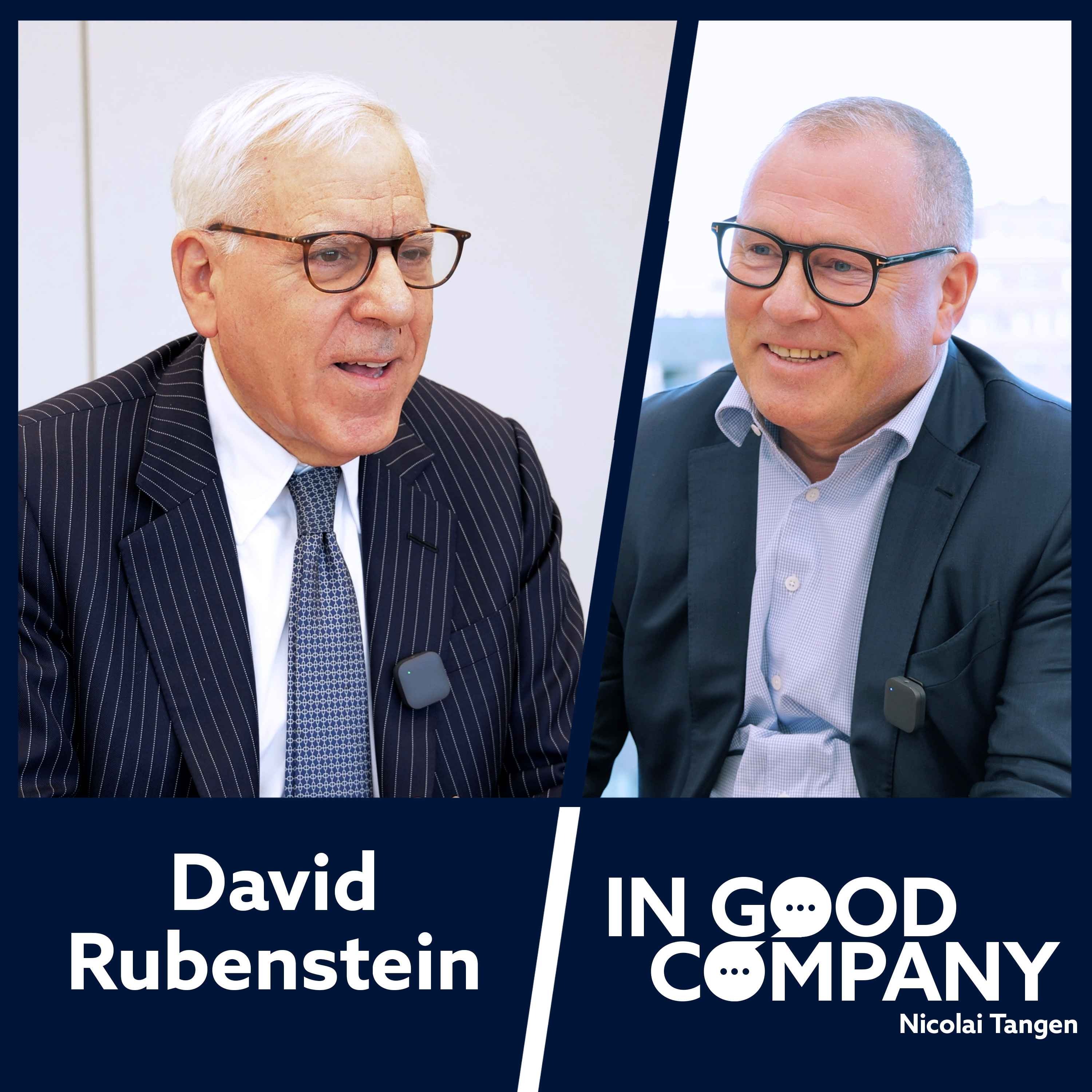
David Rubenstein's successful second act as a TV interviewer wasn't a planned career move calculated with consultants. It emerged organically from a simple need to make his firm's investor events less boring. This highlights how the most transformative professional opportunities often arise from solving unexpected problems, not from a formal strategic plan.
FanDuel CEO Amy Howe advises professionals to be open to unforeseen opportunities. Her own career was defined by walking through doors she hadn't planned on, each one opening a new world. This mindset favors exploration and adaptability over a rigid career plan.

Susan Wojcicki rented her garage to Google's founders not as a strategic bet, but to help pay her mortgage. This chance encounter, born from a practical financial need, put her at the epicenter of Google's creation and ultimately led to her joining the company, highlighting the role of serendipity in shaping great careers.