Get your free personalized podcast brief
We scan new podcasts and send you the top 5 insights daily.
Reid's career in biotech was catalyzed by two small but direct interventions: his physician grandfather handed him "The Double Helix," and his father insisted he explore the nascent field of biotechnology. It shows how seemingly minor personal suggestions can fundamentally alter a young person's professional trajectory.

Related Insights
Robert Solow's path to economics wasn't a lifelong passion. After WWII, he chose the major on a whim after his wife said she found it interesting. This illustrates that profound careers can emerge from serendipity and curiosity rather than a grand, predetermined plan.

Major career pivots are not always driven by logic or market data. A deeply personal and seemingly unrelated experience, like being emotionally moved by a film (Oppenheimer), can act as the catalyst to overcome years of resistance and commit to a challenging path one had previously sworn off.

ProKidney's CEO, a nephrologist, attributes his entry into the field not to a pre-existing passion, but to the direct influence of a strong-willed mentor who "twisted his arm." This highlights how personal relationships, rather than pure academic interest, can define a career trajectory in specialized medicine.

Jane Goodall taking a moment to read a manuscript handed to her by a young Paul Rosolie in a 500-person line was the singular event that launched his career. Her endorsement opened doors to publishers, validating the idea that a small, thoughtful gesture from an established figure can be life-changing for emerging talent.

IGI Director Brad Ringeisen attributes his career in science directly to his father, a mathematician who scribbled math problems for him during church services. This anecdote illustrates how early, informal mentorship from a parent can be the critical spark that sustains a child's interest through the challenges of STEM.

David Rubenstein's successful second act as a TV interviewer wasn't a planned career move calculated with consultants. It emerged organically from a simple need to make his firm's investor events less boring. This highlights how the most transformative professional opportunities often arise from solving unexpected problems, not from a formal strategic plan.

The host recounts how his parents' emotional support for his decision to drop out of college and move to San Francisco was a critical factor in his success. This backing, which encourages risk-taking over a safe path, can be a more significant advantage than financial help.

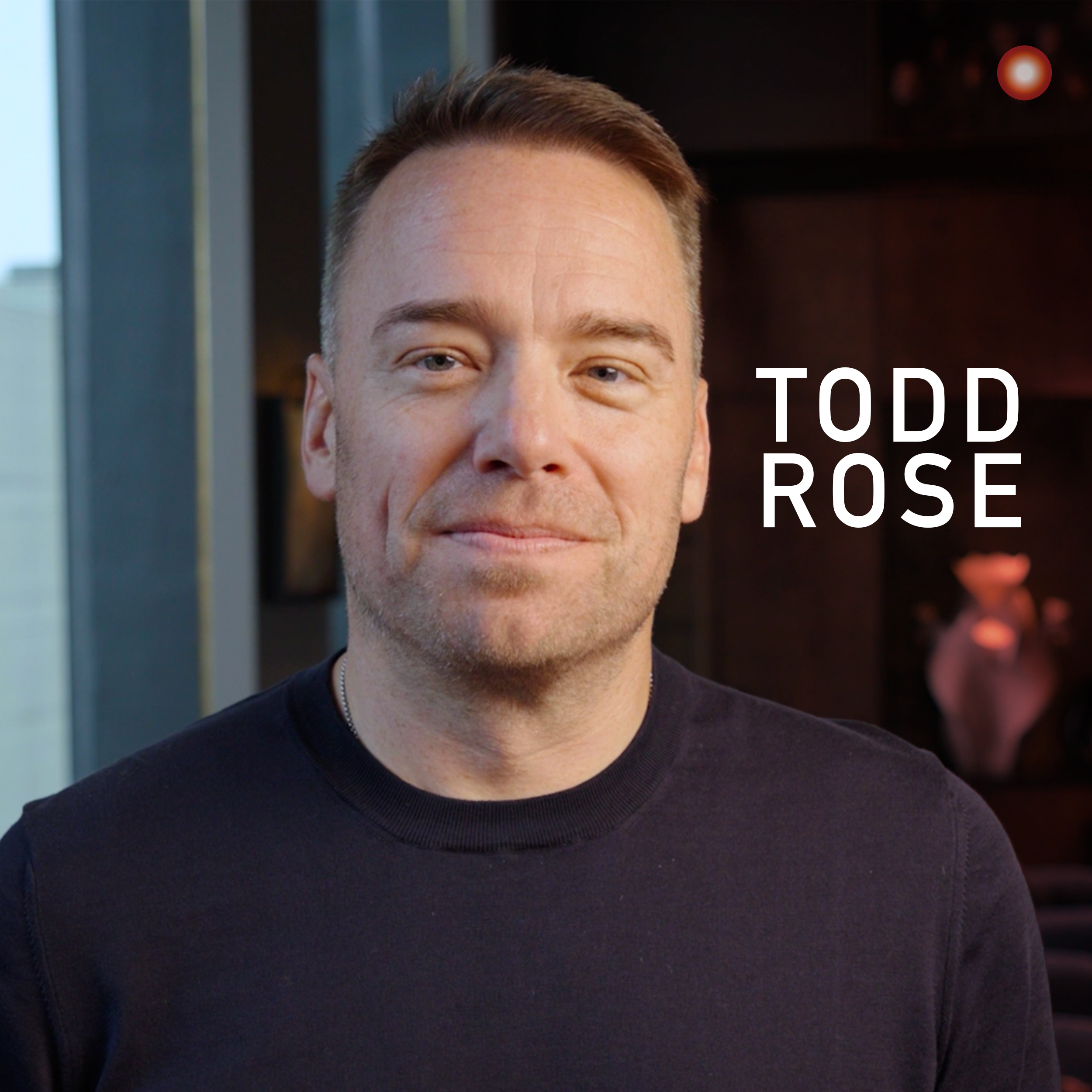
A secretary's simple encouragement, "Don't take no for an answer," changed the entire trajectory of Todd Rose's life after a university director rejected him. This highlights that transformative guidance often comes from unexpected people, not from formally designated mentors.
Reid realized he was more passionate about scientific outcomes and data than the day-to-day wet lab process. This self-awareness prompted his move from a postdoc to an editor at Cell, which better suited his aptitudes for analysis and human interaction, setting his future business career path.
Gavin Baker's admission to Dartmouth, a pivotal career step, was a direct result of him defending a bullied student. The student's father, a powerful alumnus, repaid this kindness by championing his application, demonstrating how personal character can unexpectedly open professional doors.
