Get your free personalized podcast brief
We scan new podcasts and send you the top 5 insights daily.
When one employee leverages AI to generate massive value (e.g., a new million-dollar revenue stream), standard compensation is inadequate. Companies need new models, like significant one-time bonuses, to reward and retain these high-impact individuals.

Related Insights
While AI can raise the baseline for average performers, its most profound impact will be on "super-empowered individuals." The already great will use AI to achieve 10x productivity leaps, becoming "spectacularly great" in their fields.

Counterintuitively, paying employees significantly more than the market rate can be more profitable. It attracts A-players and changes the dynamic from a zero-sum negotiation to a collaborative effort to grow the entire business. This fosters better relationships and disproportionately larger outcomes where everyone wins.

Paying billions for talent via acquihires or massive compensation packages is a logical business decision in the AI era. When a company is spending tens of billions on CapEx, securing the handful of elite engineers who can maximize that investment's ROI is a justifiable and necessary expense.

Startups aim for non-linear outcomes yet often default to conventional, linear compensation bands. To properly incentivize breakthrough performance, founders must reward employees who have a disproportionate impact with equally disproportionate pay, breaking from standard practices.
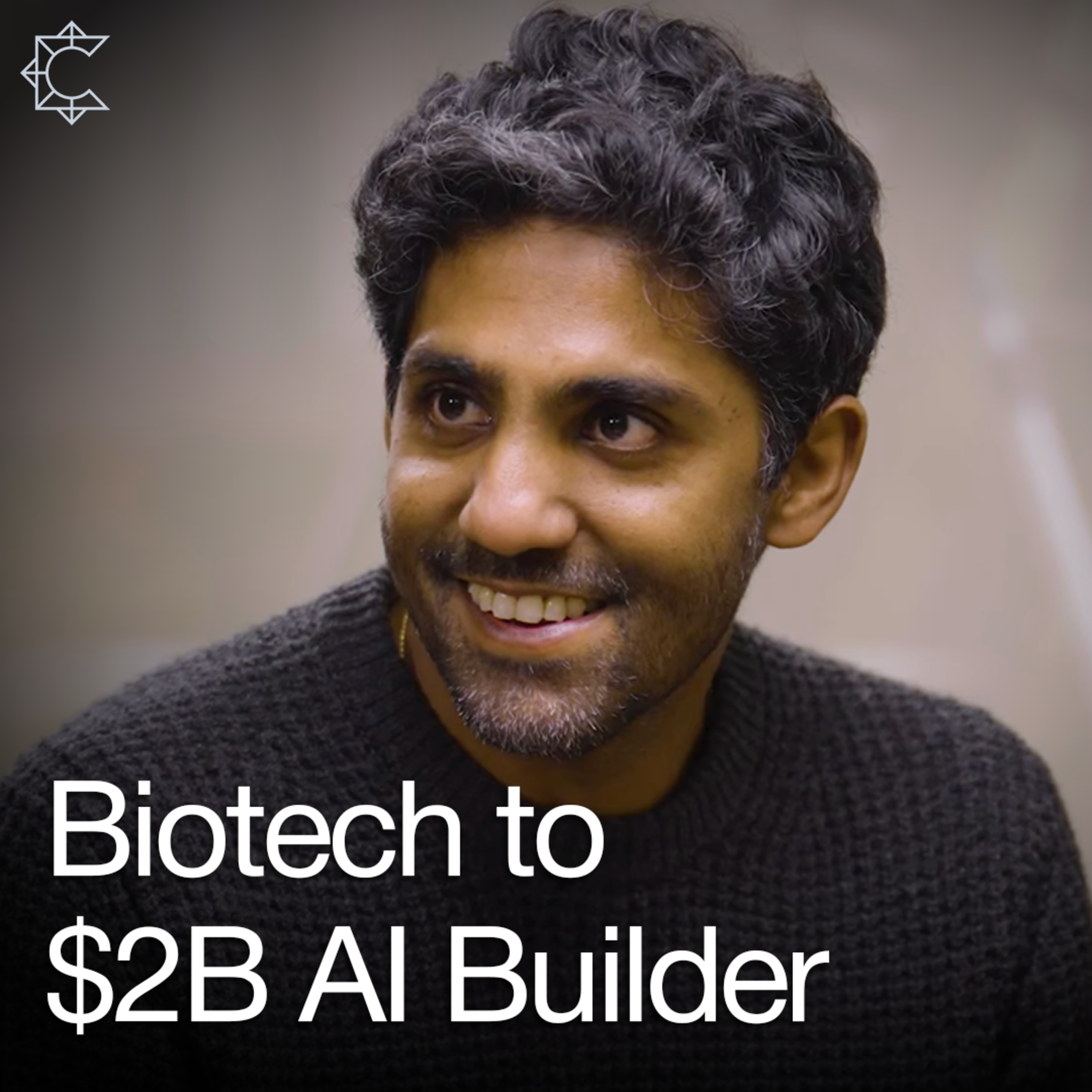
Traditional hourly billing for engineers is obsolete when AI creates 10x productivity. 10X compensates engineers based on output (story points), aligning incentives with speed and efficiency. This model allows top engineers to potentially earn over a million dollars in cash compensation annually.

Multi-million dollar salaries for top AI researchers seem absurd, but they may be underpaid. These individuals aren't just employees; they are capital allocators. A single architectural decision can tie up or waste months of capacity on billion-dollar AI clusters, making their judgment incredibly valuable.
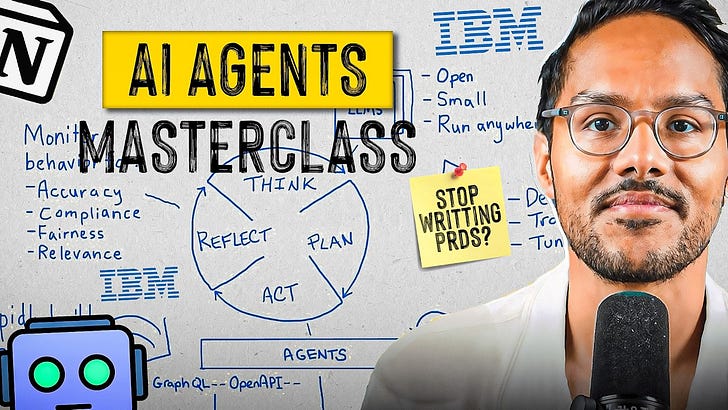
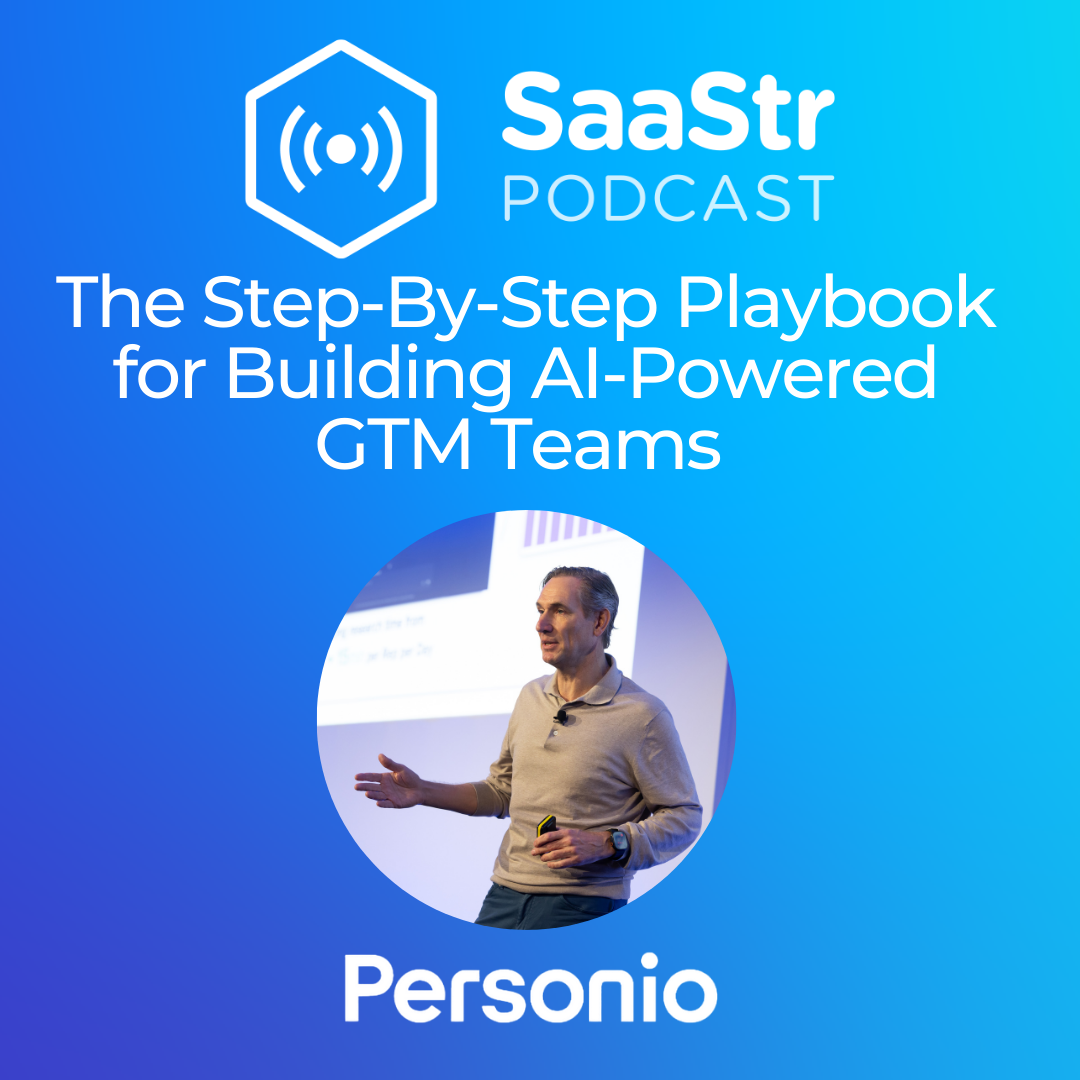
To foster an AI-centric culture, Personio goes beyond simple recognition and offers tangible, high-value incentives. They announced that several seats in their highly coveted annual President's Club trip would be reserved for employees who make the best contributions to their AI initiatives.
To accelerate AI adoption and overcome fear of displacement, OneMind's CEO has a policy to financially reward and find new roles for employees who successfully eliminate their own positions using AI. This turns a threat into an incentive for innovation.

AI disproportionately benefits top performers, who use it to amplify their output significantly. This creates a widening skills and productivity gap, leading to workplace tension as "A-players" can increasingly perform tasks previously done by their less-motivated colleagues, which could cause resentment and organizational challenges.
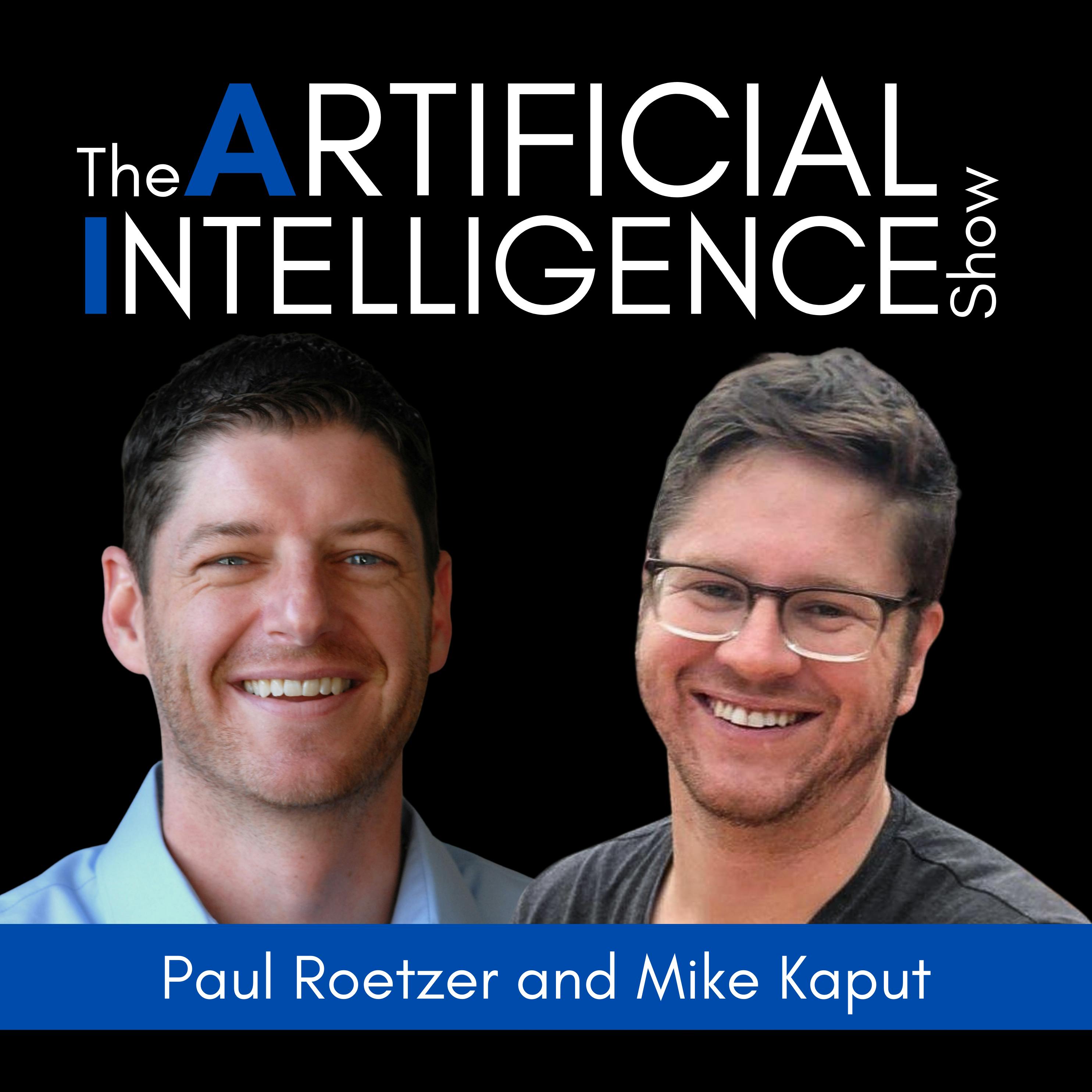
Paying a single AI researcher millions is rational when they're running experiments on compute clusters worth tens of billions. A researcher with the right intuition can prevent wasting billions on failed training runs, making their high salary a rounding error compared to the capital they leverage.
![Dylan Patel - Inside the Trillion-Dollar AI Buildout - [Invest Like the Best, EP.442] thumbnail](https://megaphone.imgix.net/podcasts/799253cc-9de9-11f0-8661-ab7b8e3cb4c1/image/d41d3a6f422989dc957ef10da7ad4551.jpg?ixlib=rails-4.3.1&max-w=3000&max-h=3000&fit=crop&auto=format,compress)