Get your free personalized podcast brief
We scan new podcasts and send you the top 5 insights daily.
The planned Roadster demo—involving a magnetized ramp and remote operation—is engineered for spectacle, not to showcase a practical feature. This highlights a marketing-first approach where achieving a viral moment dictates engineering priorities over consumer-facing functionality.

Related Insights
Musk's pattern of making increasingly grandiose and unfulfilled promises is a deliberate strategy. It distracts media and investors from fundamental issues, like Tesla being valued as a tech monopoly instead of a car company.

Musk's presentations, like for the lunar mass driver, often focus on grand, futuristic concepts, emphasizing how "epic" a project will be rather than providing a detailed business plan. This suggests his strategy is about selling a long-term vision, not a Q1 roadmap, to attract talent and capital.

With a key government subsidy gone, Tesla is using a rental model as a 'try-before-you-buy' tactic. This shift indicates EV companies must now rely on creative sales funnels and direct product experience, rather than financial incentives, to convert hesitant customers.

A phenomenon has emerged where YouTubers with financial stakes in companies like Tesla create constant content hyping up self-driving tech. This builds public pressure on companies to deploy systems faster, potentially compromising safety in the race to meet inflated expectations.
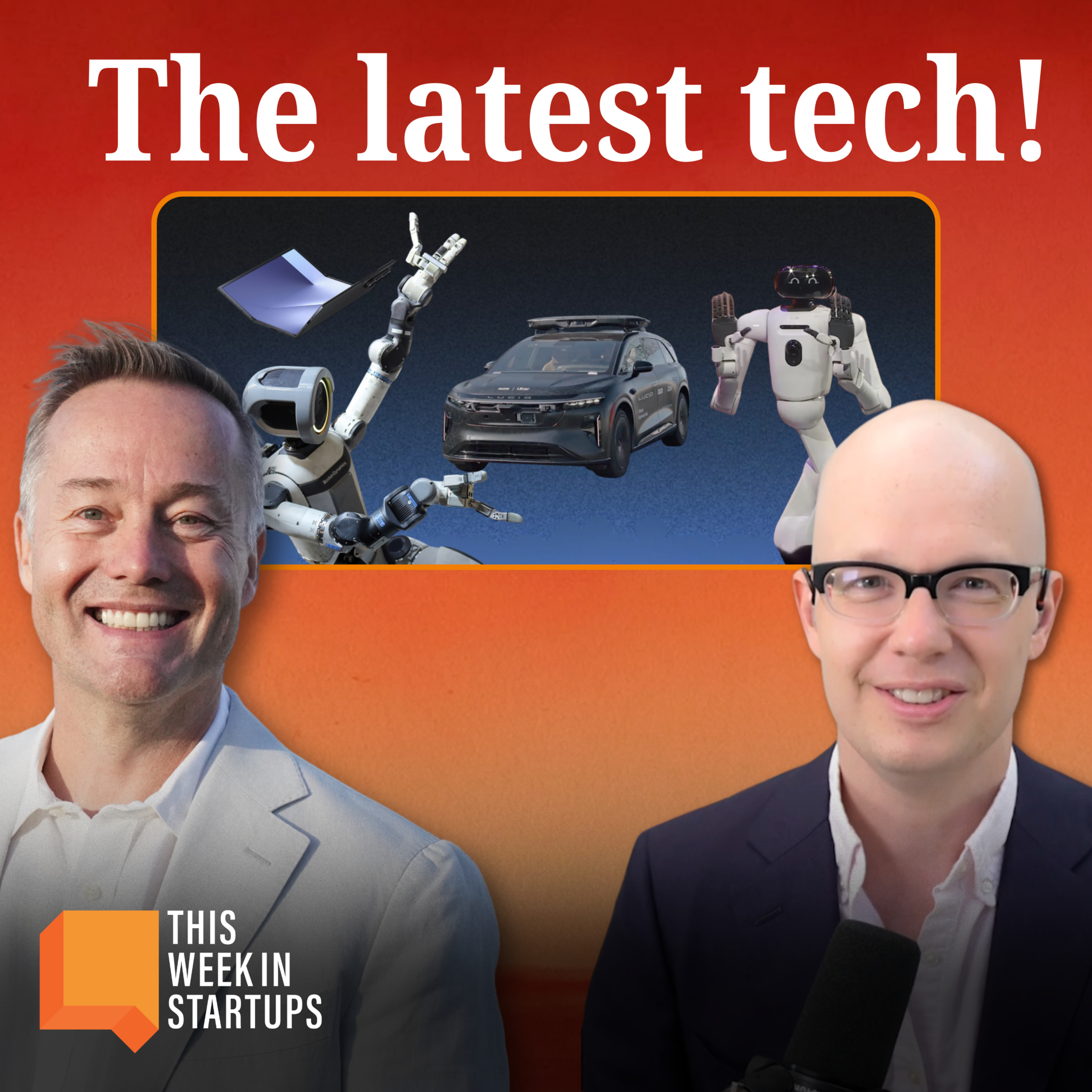
Tesla launched its Miami robotaxi service without in-car safety monitors and with a smaller pre-launch testing team. This signals a strategic shift towards a more scalable, AI-driven rollout model that relies less on human oversight and extensive, market-specific testing, reflecting Elon Musk's vision for universally deployable software.

To overcome public skepticism about safety, autonomous vehicle companies need a grand public demonstration. A livestreamed, overnight "robo-taxi" journey between cities, framed as a "self-driving hotel," could serve as a modern spectacle to prove the technology is safe and build consumer trust, much like elephants walking the Brooklyn Bridge did.

Whenever Tesla's core automotive business faces headwinds—like falling market share or intense competition—Elon Musk introduces a new, futuristic narrative, such as the Optimus robot. This strategy aims to reposition the company as an AI leader and distract investors from underwhelming auto industry fundamentals.

Visionary projects like Tesla's Optimus robot are often strategic distractions. CEOs like Elon Musk use them to shift investor focus from immediate challenges, such as declining revenues and fierce competition, maintaining a high valuation based on future promises rather than current performance.
Uber's on-demand ice cream and Airbnb's Flintstones house were successful marketing because they showcased the platform's core function. In contrast, Lyft's pink mustache was a superficial gimmick. Truly 'remarkable' marketing is intrinsically linked to demonstrating the product's unique utility and power.

The F-150 Lightning retained its iconic, familiar shape, which failed to signal its electric nature. The Cybertruck's wild, futuristic look was a deliberate status symbol that appealed to truck buyers wanting to showcase their adoption of new technology.
