Get your free personalized podcast brief
We scan new podcasts and send you the top 5 insights daily.
The popular AI agent project cycled through three names: Claudebot, Maltbot, and OpenClaw. The initial name caused brand confusion with Anthropic, while the second lacked appeal. The final name was secured only after the creator preemptively checked with OpenAI's CEO, underscoring the importance of branding and IP diligence.

Related Insights
Sam Altman forecasts a shift where celebrities and brands move from fearing unauthorized AI use to complaining if their likenesses aren't featured enough. They will recognize AI platforms as a vital channel for publicity and fan connection, flipping the current defensive posture on its head.

Developers using OpenAI's API are warned that Sam Altman will analyze their usage data to identify and build competing features. This follows the classic playbook of platform owners like Microsoft and Facebook who studied third-party developers to absorb the most valuable use cases.

While OpenAI and Google position their AIs as neutral tools (ChatGPT, Gemini), Anthropic is building a distinct brand by personifying its model as 'Claude.' This throwback to named assistants like Siri and Alexa creates a more personal user relationship, which could be a key differentiator in the consumer AI market.

By letting its AI chaotically run a vending machine in a newsroom, Anthropic is strategically shifting its brand image. Once perceived as 'Doomer coded' and hyper-focused on safety, projects like this showcase a more whimsical, playful, and accessible side, making the company and its research feel less intimidating.

The viral AI agent Clawdbot was renamed to Moltbot after a "trademark-related request" from Anthropic. Creator Peter Steinberger executed the entire rebrand in about an hour, a stark contrast to the months or years corporations typically spend on such changes.

Facing a commoditized AI market, Claude sponsored a New York coffee shop to differentiate itself from competitors. By promoting "thinking" and old-school creativity with physical merch, it's building a brand as a curated, intellectual partner, rather than just another tool for generating low-quality "AI slop."

Anthropic faces a critical dilemma. Its reputation for safety attracts lucrative enterprise clients, but this very stance risks being labeled "woke" by the Trump administration, which has banned such AI in government contracts. This forces the company to walk a fine line between its brand identity and political reality.
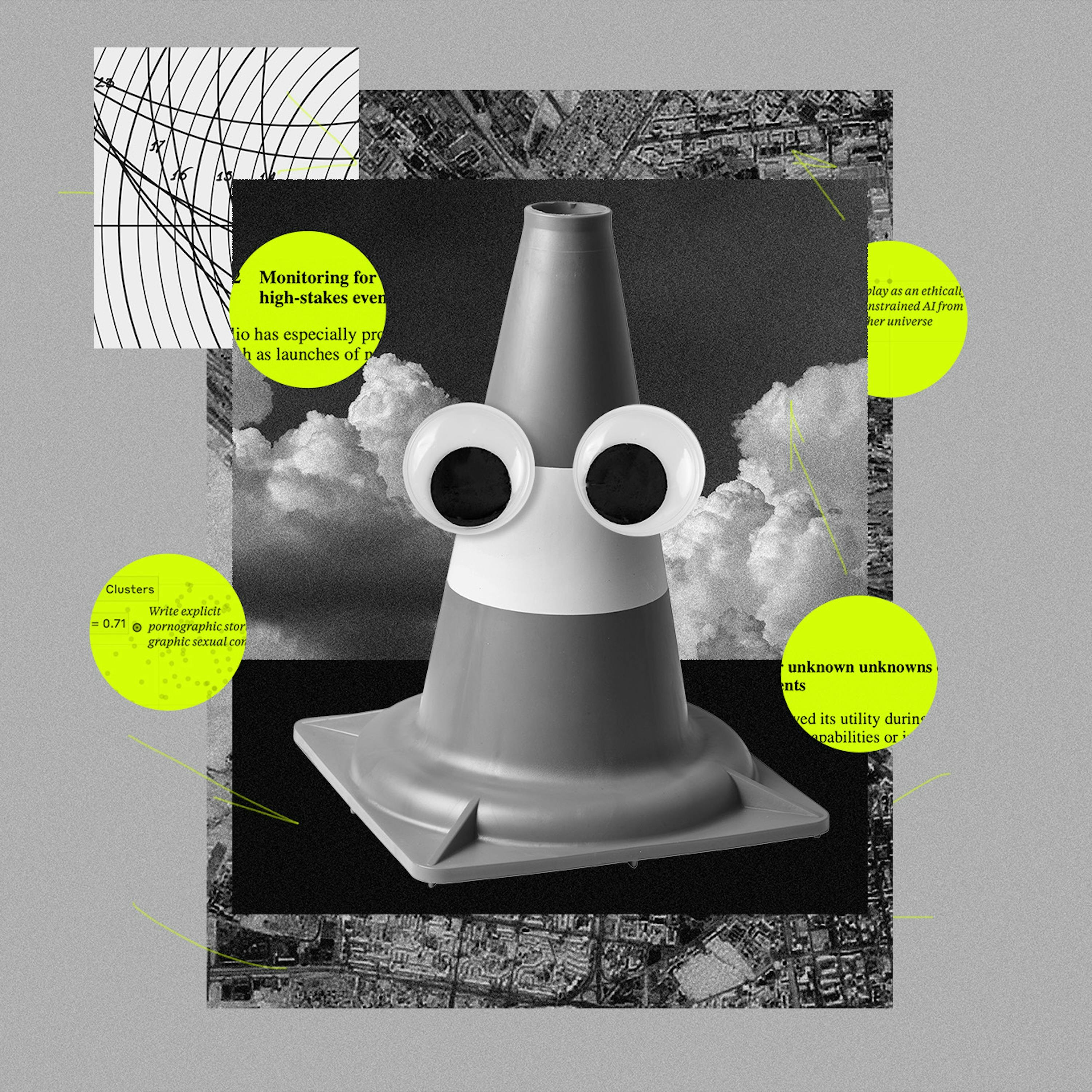
Clawdbot, an open-source project, has rapidly achieved broad, agentic capabilities that large AI labs (like Anthropic with its 'Cowork' feature) are slower to release due to safety, liability, and bureaucratic constraints.
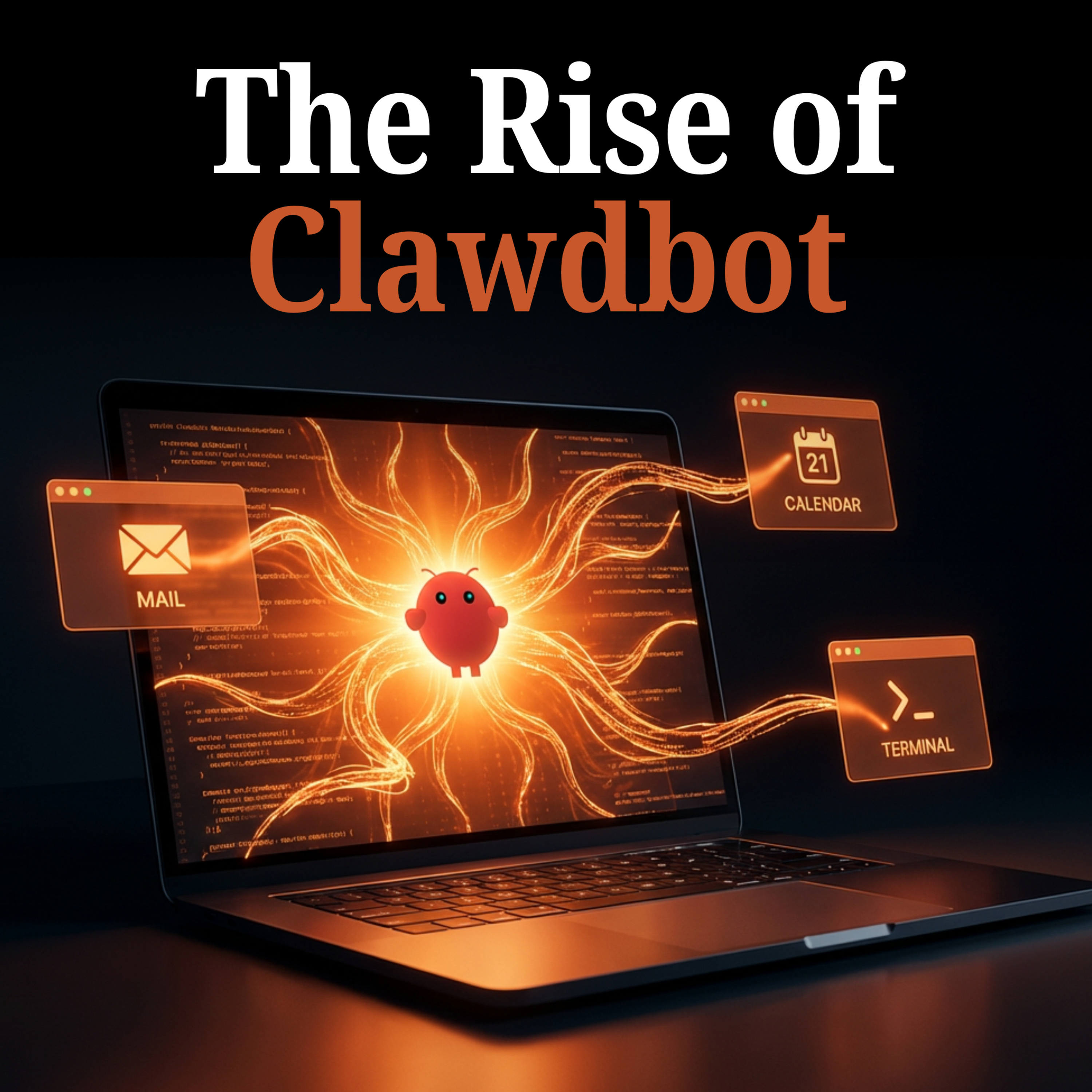
Companies like Anthropic must enforce trademarks against infringing names, even for admired projects. Failure to do so risks genericide, where a brand name becomes a generic term (e.g., Escalator), causing the company to lose its intellectual property rights. This legal obligation forces their hand in such situations.
The name "Claude Code" was a significant barrier for non-technical users, suggesting a developer-only tool. The creation of "Cowork" is a direct response to user behavior showing its broader utility, repackaging the same core functionality with a more accessible name and interface for a wider audience.