Get your free personalized podcast brief
We scan new podcasts and send you the top 5 insights daily.
Companies like Anthropic must enforce trademarks against infringing names, even for admired projects. Failure to do so risks genericide, where a brand name becomes a generic term (e.g., Escalator), causing the company to lose its intellectual property rights. This legal obligation forces their hand in such situations.
Related Insights
The Browser Company's old-fashioned name was initially a signal of original thinking. However, once 50-100 other startups copied the convention, it became an 'anti-signal' for unoriginality. This demonstrates how a unique branding strategy can quickly become devalued through imitation, punishing followers and even the originator.

AWS leaders are concerned that building flagship products on third-party models like Anthropic's creates no sustainable advantage. They are therefore pressuring internal teams to use Amazon's own, often less capable, "Nova" models to develop a unique "special sauce" and differentiate their offerings from competitors.

Large corporations proactively purchase common misspellings of their websites. This strategy, known as combating 'typo squatting,' prevents others from exploiting user typos for malicious purposes or profit. Google, for example, owns numerous variations to redirect users who make common spelling mistakes, thereby protecting its brand and user security.

The campaign's simple 'keep thinking' message subtly reframes Anthropic's AI as a human-augmenting tool. This marks a significant departure from the company's public reputation for focusing on existential AI risk, suggesting a deliberate effort to build a more consumer-friendly and less threatening brand.
By letting its AI chaotically run a vending machine in a newsroom, Anthropic is strategically shifting its brand image. Once perceived as 'Doomer coded' and hyper-focused on safety, projects like this showcase a more whimsical, playful, and accessible side, making the company and its research feel less intimidating.

Dario Amadei's public criticism of advertising and "social media entrepreneurs" isn't just personal ideology. It's a strategic narrative to position Anthropic as the principled, enterprise-focused AI choice, contrasting with consumer-focused rivals like Google and OpenAI who need to "maximize engagement for a billion users."
The viral AI agent Clawdbot was renamed to Moltbot after a "trademark-related request" from Anthropic. Creator Peter Steinberger executed the entire rebrand in about an hour, a stark contrast to the months or years corporations typically spend on such changes.

Anthropic faces a critical dilemma. Its reputation for safety attracts lucrative enterprise clients, but this very stance risks being labeled "woke" by the Trump administration, which has banned such AI in government contracts. This forces the company to walk a fine line between its brand identity and political reality.
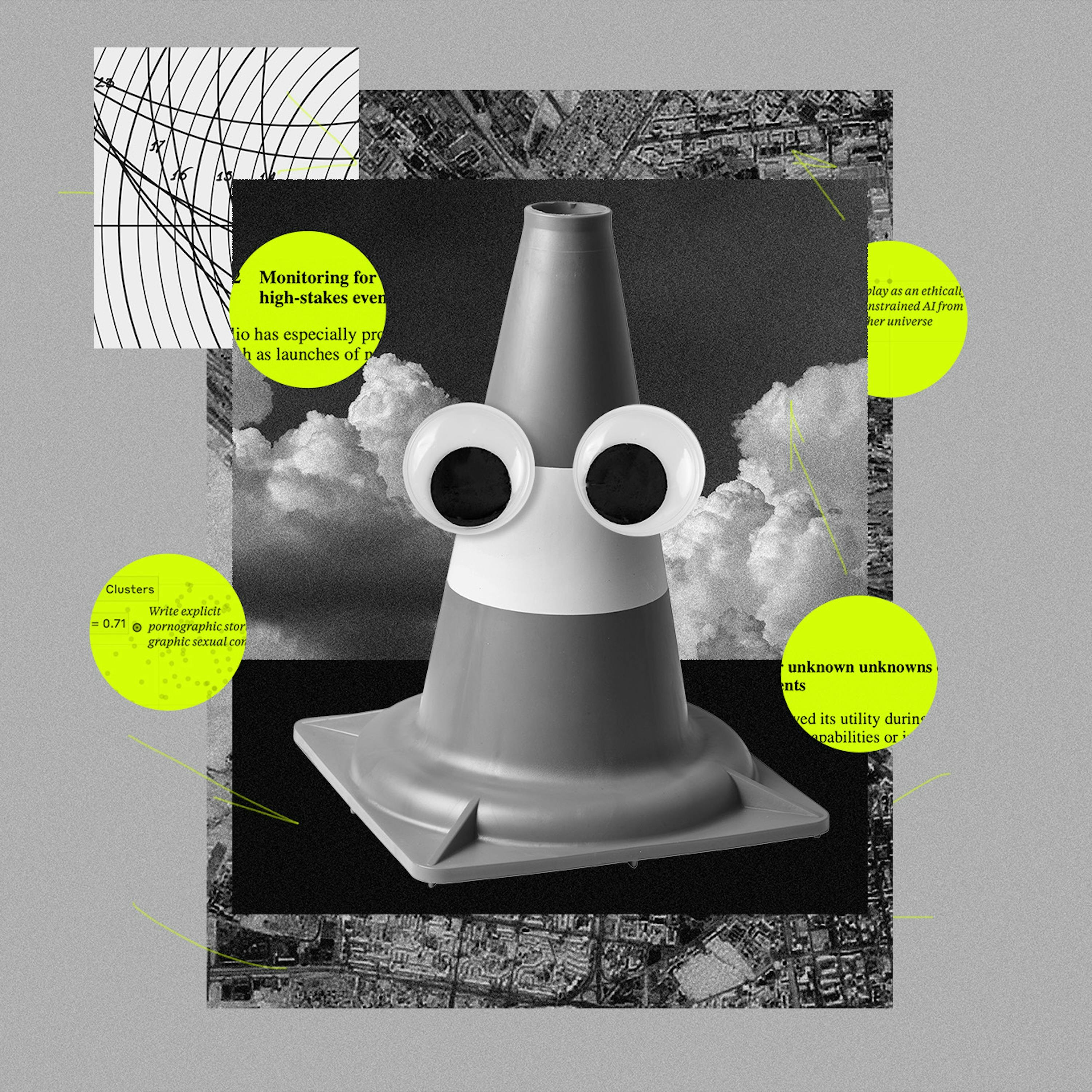
Startups like Cursor that are built on foundation models face existential platform risk. Their supplier (e.g., Anthropic) could limit access, degrade service, or copy their product, effectively killing their business, much like the scorpion stinging the frog mid-river.
The name "Claude Code" was a significant barrier for non-technical users, suggesting a developer-only tool. The creation of "Cowork" is a direct response to user behavior showing its broader utility, repackaging the same core functionality with a more accessible name and interface for a wider audience.
